


Baby Pillow Shopping Guide
Choosing the right baby pillow is essential for the healthy development of the baby, providing proper support for the neck and spine, as well as comfort during sleep. The choice of the appropriate pillow largely depends on the baby's age. Generally, the use of a pillow is recommended for babies over 12 months old. For newborns and infants under 12 months, it is recommended to avoid pillows for safety reasons, as they increase the risk of suffocation or other accidents.
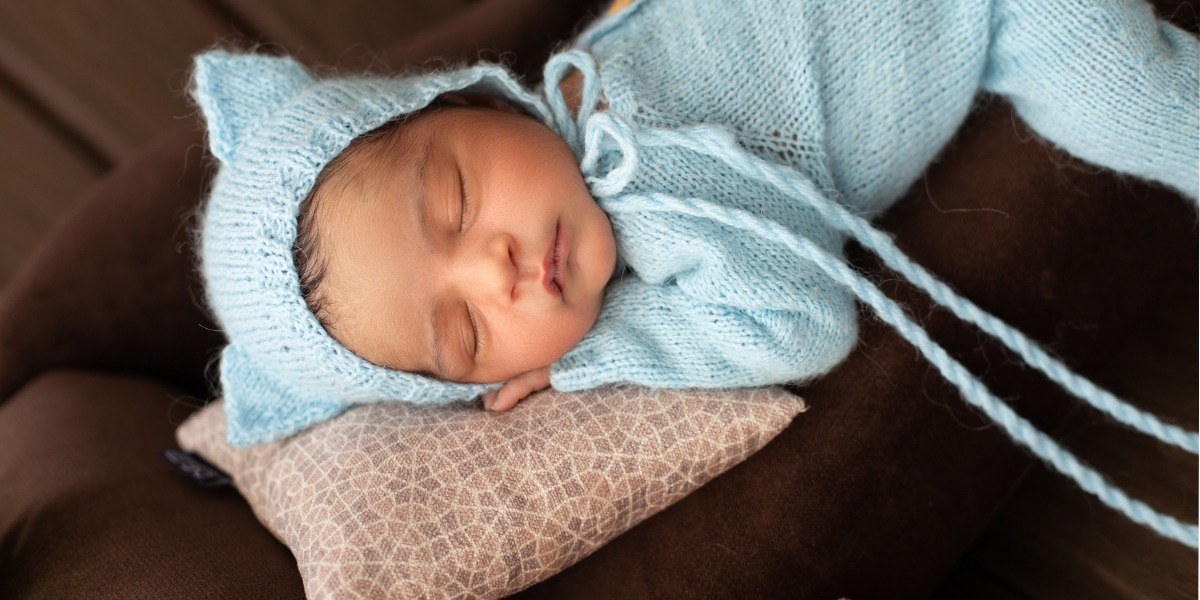
For babies 0-12 months:
The use of a pillow is not recommended. The baby usually sleeps without a pillow, as the flat surface of the mattress is safer and helps in the proper development of the head and neck.
For babies 12 months and older:
Pillows are safe and suitable for infants who have begun sleeping on their side or back positions.
Step 1: Choose the ideal baby pillow based on construction material:
Choosing the right material for a baby pillow is critical for your baby's safety, comfort, and hygiene. Each material has its own advantages and disadvantages, so it is important to understand the properties of each before selecting the ideal pillow for your little one.
Ballfiber:
Ballfiber is a modern synthetic material that mimics the structure of natural material, offering the feel of natural filling without using down or feathers.
Advantages: Very soft and lightweight, offering good support while preventing the growth of microbes. It is durable and does not lose its shape over time.
Disadvantages: It is not as breathable or soft as natural materials.
Latex:
Latex is a natural material derived from the sap of rubber trees. It has excellent support and durability properties and is a very good choice for your child's pillow.
Advantages: It is a natural and hypoallergenic material. It provides excellent support for the baby's neck and head. It is a very durable pillow that lasts for many years without losing its shape. Finally, latex is an environmentally friendly material.
Disadvantages: It may be firmer compared to other materials and might not be the most comfortable choice for all babies. It is also much more expensive than synthetic materials.
Memory Foam:
Memory foam is the most popular material for pillow filling, as it adapts to the shape of the baby's head and neck, offering maximum comfort.
Advantages: A baby memory foam pillow can provide exceptional support and comfort. It helps avoid pressure on sensitive areas of the head and neck.
Disadvantages: It may cause more heat retention, as it is not as breathable as natural materials.
Silicon Ballfiber:
Silicon Ballfiber is a synthetic material that offers the feel of natural material but with better durability and support.
Advantages: A pillow filled with silicon ballfiber is anatomical and lightweight. It is soft and comfortable for babies and durable in use, maintaining its shape.
Disadvantages: Such a pillow is less breathable than natural materials and may cause irritation.
Cotton:
Cotton is a natural, soft, and breathable material widely used in baby products.
Advantages: A baby cotton pillow is natural, hypoallergenic, and safe for babies. It is an excellent choice for infants with sensitive skin, offering proper air circulation and preventing sweating.
Disadvantages: It may not offer the same support as synthetic materials or memory foam and can lose its shape slightly after long-term use.
Cotton Sateen:
Cotton sateen is a variation of cotton that combines natural material with a sateen weave for a smoother and more luxurious feel.
Advantages: A cotton sateen pillow is extremely soft and luxurious to the touch. It is breathable, hypoallergenic, and ideal for infants with sensitive skin.
Disadvantages: It can be more expensive than plain cotton and, despite the luxury feel, the support may not be as good as other materials.
Microfiber:
Microfiber is a synthetic material used for making lightweight and soft pillows.
Advantages: A baby microfiber pillow is durable, lightweight, and easy to care for. It is also very soft and comfortable for the baby and offers very good support.
Disadvantages: It is not as breathable as cotton and can cause overheating and irritation.
Wool:
Wool is a natural material that offers natural warmth and comfort.
Advantages: A wool baby pillow is breathable and naturally thermoregulating. it is a very skin-friendly choice as it is hypoallergenic. It is ideal for the colder seasons of the year.
Disadvantages: It may be less soft than other materials and requires more care and cleaning compared to synthetic materials.
Polyester:
Polyester is one of the most common synthetic materials for pillow manufacturing.
Advantages: A polyester baby pillow is durable, easy to clean, and relatively economical. It maintains its shape and support over time and is lightweight and comfortable for the baby.
Disadvantages: It may not be as breathable as natural materials and could cause irritation to very sensitive skin.
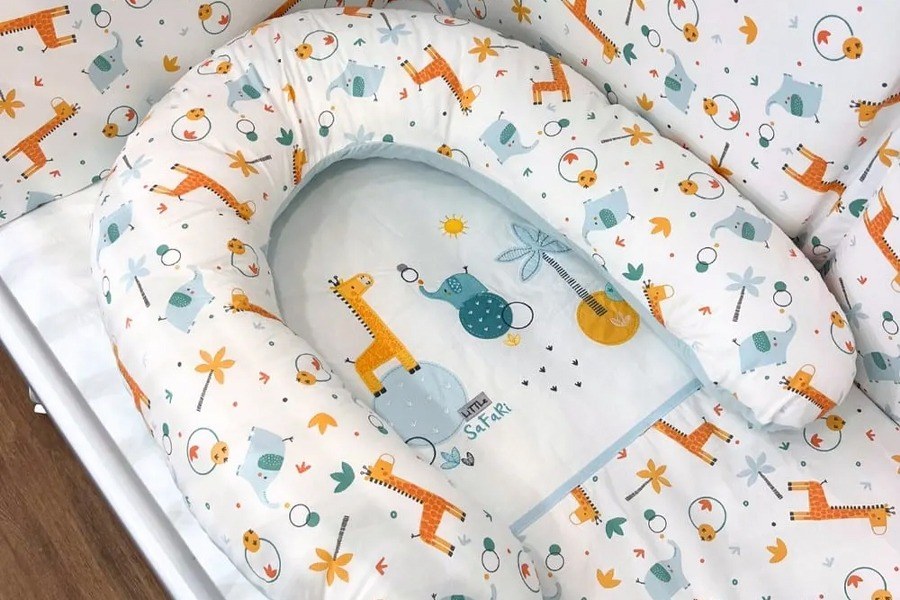
Step 2: Choose the size and shape of the baby pillow:
The pillow size should be proportional to the size of the crib mattress and the baby's needs.
- Shape and Size: Baby pillows are usually smaller in size compared to adult pillows, with dimensions ranging from approximately 30x40 cm to 40x60 cm. The shape should provide support without being excessively thick or hard.
- Incline Pillows: Some pillows feature a slight incline to help support the baby's head and reduce gastroesophageal reflux or the risk of choking if the baby is prone to vomiting.
Step 3: Choose baby pillows with special hygiene treatments:
Cleanliness is vital for baby pillows, as infants are more prone to allergies and skin conditions.
- Removable and Washable Cover: Ensure the pillow has a removable and washable cover so you can wash it frequently to keep it clean and fresh.
- Antibacterial Materials: Prefer pillows with antibacterial treatment, especially if your baby has sensitive skin or is prone to allergies.
- Suffocation Risk Prevention: Choose pillows with proven safe materials and constructions that prevent air accumulation or suffocation. Avoid pillows with very soft filling or those that could pose a suffocation hazard.
Choosing a baby pillow depends on the baby's age, construction material, comfort, safety, and ease of cleaning. Select a pillow that offers proper support without being too soft or hard, and prefer natural, antibacterial materials for better hygiene and baby comfort. Ensure your baby's safety with the right choice, and remember that the best pillow is the one that guarantees a comfortable and safe sleep—and you will find it at designdrops!
The information below is required for social login
Sign In
Create New Account