


Baby Food Utensils Shopping Guide
Choosing the right baby feeding supplies is vital for your baby's healthy development and comfort. Products are divided into various categories with different sizes, materials, designs, and features to serve different needs. Here is a detailed presentation of the most common product types to help you make the best choice for your baby.
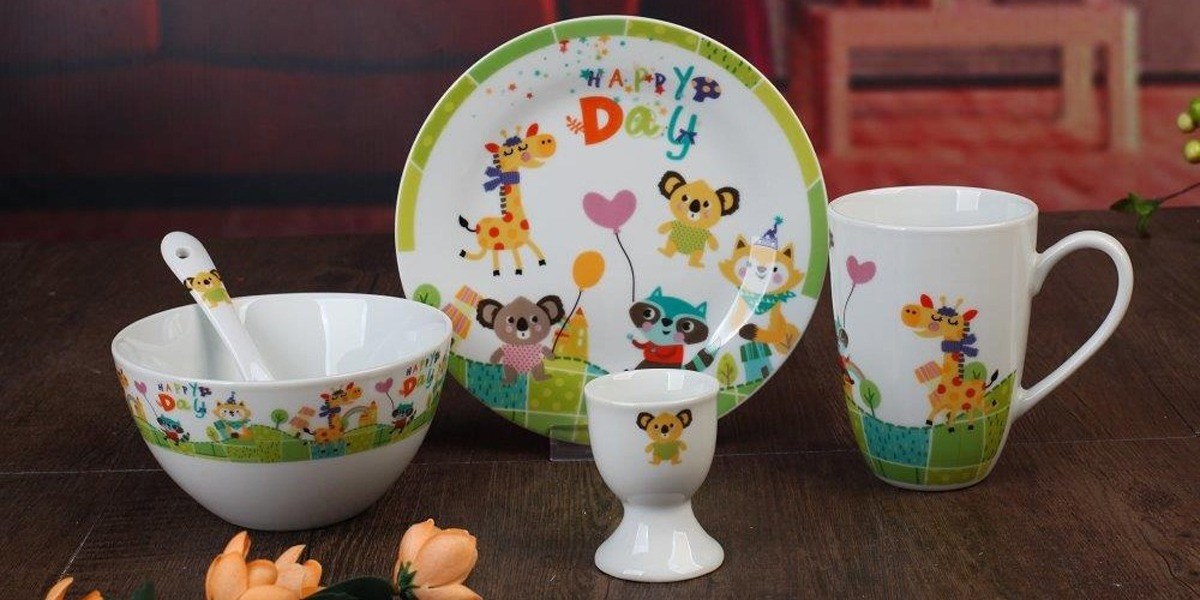
Baby Dinnerware Sets:
Baby dinnerware sets usually include a series of plates, bowls, cups, cutlery, and other accessories. These sets are practical and designed to make mealtime easier and more enjoyable for the child. They are generally more cost-effective than buying each item individually and offer a complete solution for feeding your child.
Step 1: Choose how many pieces the set will include:
- 2-Piece Set: Usually includes the most basic feeding items, such as a plate and a cup or bowl. Ideal for younger babies.
- 3-Piece Set: A step up, with three items (e.g., a plate, a cup, and a piece of cutlery). Suitable for children starting to eat independently.
- 4-Piece Set: Often includes a plate, a bowl, a cup, and a piece of cutlery. Ideal for a complete daily-use feeding set.
- 5-Piece Set: Supplemented with additional accessories like a spoon or an extra plate to cover all of a baby's needs.
- 6-Piece Set: A full set containing everything for baby feeding, even for travel or excursions.
Step 2: Choose the baby dinnerware set based on the baby's gender:
Unisex Baby Dinnerware Set:
Neutral designs that do not pertain to a specific gender. Ideal for families with more than one child or as a gift.
Baby Dinnerware Set for Boys:
Usually features colors like blue and green, and designs with cars, animals, funny motifs, or heroes.
Baby Dinnerware Set for Girls:
Designs in pink or purple, featuring flowers, hearts, princesses, etc.
Step 3: Choose the quality of the baby dinnerware set:
- Bamboo: A natural, biodegradable, and eco-friendly material. Ideal for parents who want to avoid synthetic chemicals. It is also antibacterial and durable.
- Bone China: A very durable and refined material, ideal for more premium sets. Durable, but can be more fragile if dropped.
- PET: Safe plastic, lightweight, and durable. Suitable for daily use.
- Steel & Polypropylene: Very durable, long-lasting, and safe for the baby.
- Porcelain: A classic material, elegant and durable, but can be heavy and fragile.
- Silicone: Extremely soft and safe for babies. It is also temperature-resistant and easy to wash.
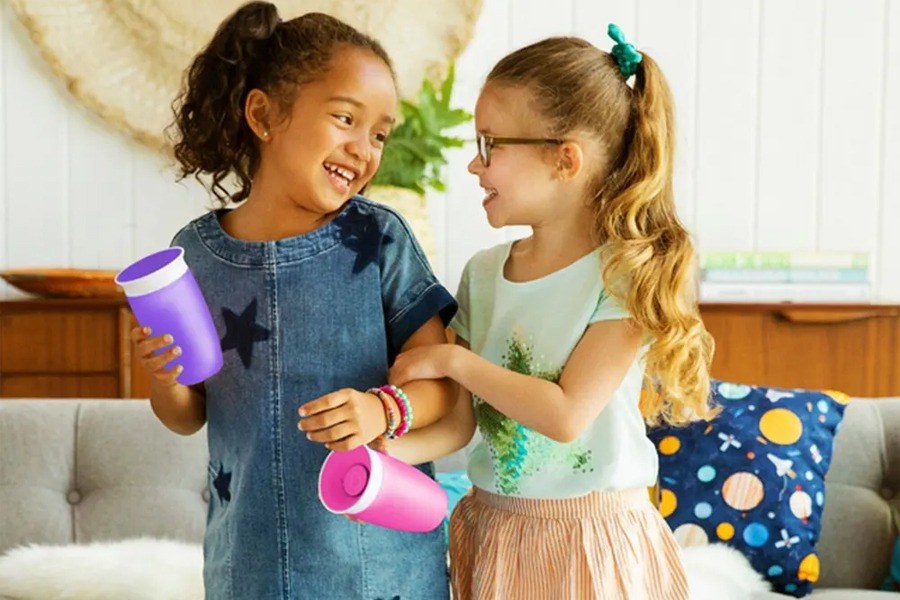
Baby and Toddler Cups:
Cups for babies and children help them learn how to drink from a cup instead of using a bottle. They are also useful for keeping them hydrated throughout the day.
Step 1: Choose the size of the baby or toddler cup:
The capacity of the cup is important. For babies and younger children, 150ml is usually sufficient, while older children may need cups of 200ml and above. Larger sizes are ideal for greater volumes of liquid and are suitable for more independent children.
Step 2: Choose the baby or toddler cup based on the child's gender:
Unisex Baby Cup:
Ideal for both boys and girls, as they usually come in neutral colors like beige, white, yellow, and gray, featuring playful designs with animals, stars, etc.
Baby Cup for Boys:
Cups preferred by boys feature designs with cars, dinosaurs, and superheroes in shades of blue, green, and red.
Baby Cup for Girls:
Classic colors and designs for girls include pink, lilac, and salmon with ballerinas, princesses, butterflies, and other romantic patterns.
Step 3: Choose the quality of the baby or toddler cup:
- PET: Safe and lightweight plastic, ideal for a baby's first cups.
- Glass: Durable and BPA-free, ideal for older children. They may be heavier and more fragile.
- Plastic: Lightweight and durable, easy to use and clean.
- Polypropylene: Durable and safe plastic without hazardous chemicals.
- Silicone: Soft, BPA-free, and safe for children. Very gentle and pleasant to use.
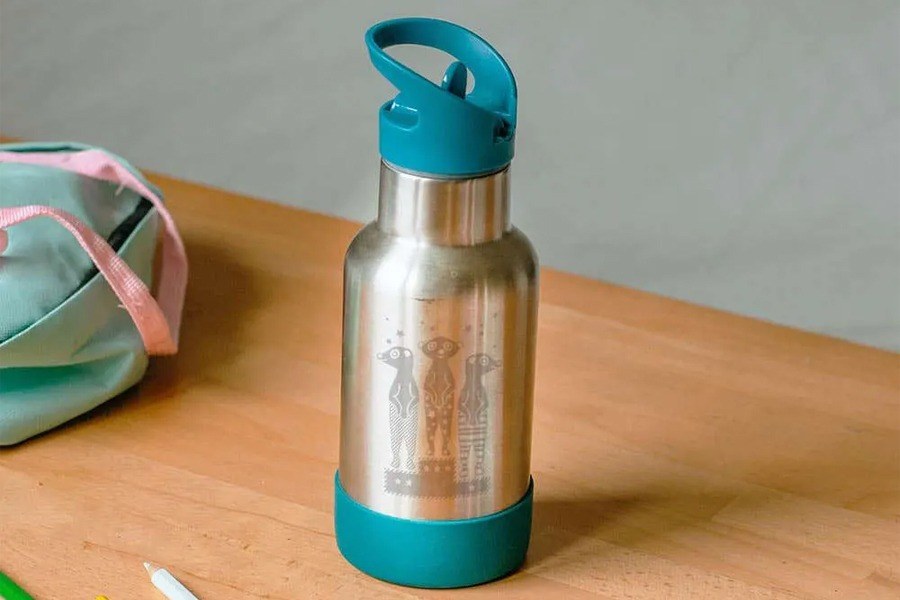
Baby Water Bottles:
Water bottles for babies and children are essential for hydration, especially when they are outdoors, at school, or at the playground for many hours.
Step 1: Choose the size of the baby water bottle:
Typically, baby water bottles range from 215ml to 600ml. The size depends on the child's age and the amount of time they spend away from home. Larger bottles (500ml and above) are suitable for older children or excursions.
Step 2: Choose the type of baby water bottle:
- Bottle with Closure: You can choose between bottles with a screw cap for leak-proofing or a clip-on cap, which is more ergonomic for younger ages.
- Thermos: These are bottles that maintain the temperature of the water or beverage for a longer period, ideal for hot or cold days.
Step 3: Choose the baby water bottle based on the baby's gender:
Unisex Baby Water Bottle:
These feature designs and colors loved by all children. Neutral colors like white, beige, yellow, and gray are common, with designs like animals, stars, or solid colors.
Baby Water Bottle for Boys:
Most boys love water bottles with cars, superheroes, dinosaurs, and robots in shades of blue, green, and red.
Baby Water Bottle for Girls:
A pink bottle with romantic designs is almost always a hit with girls. They love pastel shades, butterflies, princesses, and unicorns.
Step 4: Choose the quality of the baby water bottle:
- Stainless Steel: Durable and maintains temperature for a longer time.
- Aluminum: Lightweight and durable. Often used for outdoor activities.
- Plastic: Lightweight and durable, but less effective at maintaining temperature; check for phthalate and BPA-free certifications.
- Silicone: Mainly used for caps and sleeves; it is soft and safe for children.
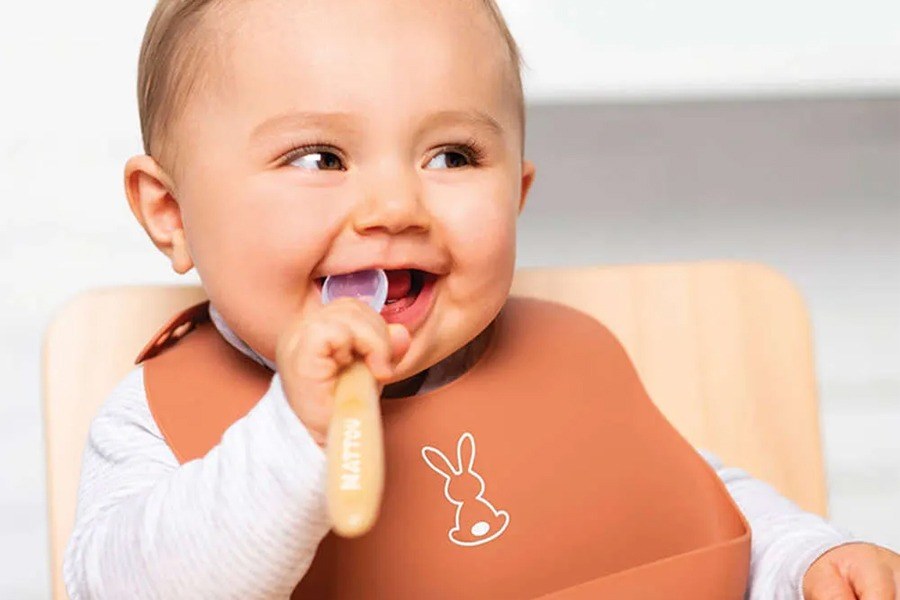
Baby - Toddler Cutlery:
Cutlery sets are particularly useful when the baby starts eating on their own. Baby cutlery is specially designed for small hands, featuring rounded edges and high-quality, safe materials.
Step 1: Choose the quantity of cutlery:
- 2-Piece Set: Usually includes a spoon and fork.
- 3-Piece Set: Usually includes a spoon, fork, and knife, or multiples of the other tools.
- 4-Piece and 6-Piece Sets: More complete sets with multiple knives, forks, and spoons, ensuring you always have a spare for when one drops or for families with more children.
Step 2: Choose baby cutlery based on the baby's gender:
Unisex Baby Cutlery:
Cutlery with neutral designs and colors for any child. Popular choices include yellow, gray, and white with animal or star patterns.
Baby Cutlery for Boys:
Boys prefer cutlery with cars, dinosaurs, and robots in blue and green shades.
Baby Cutlery for Girls:
Girls love designs with princesses, butterflies, and flowers in pastel and pink shades.
Step 3: Choose the quality of baby cutlery:
- Stainless Steel: Durable and safe for children. Dishwasher safe.
- Plastic or Polypropylene: Lightweight and durable, suitable for first cutlery sets as it is less hard than metal.
- Silicone: Soft and safe for babies, making it ideal for very young ages.
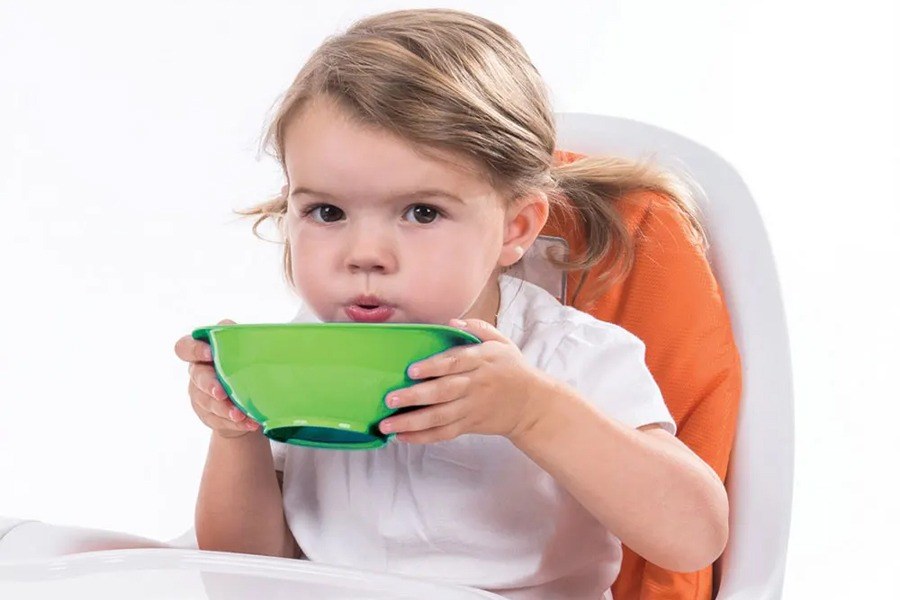
Baby Plates and Bowls:
Plates and bowls for infants and children help in correctly serving food while making it easier for the child to learn to eat independently.
Step 1: Choose the size:
You can find plates and bowls individually or in sets. Sets may include more than one plate or bowl, or come with cutlery or cups.
Step 2: Choose the type of baby plate or bowl:
Cereal Bowls:
Deep bowls, ideal for your baby to eat their favorite cereal with milk for breakfast. They often feature a suction base to stick to the table surface and avoid accidents.
Bowls:
Deep bowls ideal for serving salads, soups, and other liquid-based foods. They also frequently feature suction bases or lids to prevent spills.
Plates:
Baby plates usually feature dividers so you can serve each food item separately, helping your child learn different foods, textures, and tastes more easily.
Step 3: Choose the baby plate or bowl based on the baby's gender:
Unisex Baby Plates and Bowls: Ideal for all children, these items are available in shades of white, gray, and beige with animal, star, and geometric patterns.
Baby Plates and Bowls for Boys: Usually plates and bowls in shades of blue and green with designs representing cars, dinosaurs, and robots.
Baby Plates and Bowls for Girls: Girls love colors and designs that reflect their interests. Usually available in pink and pastel shades with butterflies, princesses, and flowers.
Step 4: Choose the quality of plates and bowls:
Bone China:
Very durable, withstands high temperatures, and maintains its appearance over time. Ideal for parents seeking a premium choice with timeless aesthetics.
PET:
A type of plastic widely used for baby plates and bowls, as it is lightweight and shatterproof. It is BPA-free and does not cause toxic reactions. Ideal for daily use.
Silicone:
A soft and elastic material, making it very durable and safe for infants. It doesn't break, is easy to clean, and is heat and cold resistant. Its pleasant texture makes it very safe for young children.
Polypropylene (PP):
A widely used plastic for plates and bowls, as it is lightweight, moisture-resistant, temperature-resistant, and BPA-free. Easy to clean and maintain.
Plastic (PVC or other types):
The most common material for baby plates and bowls due to low price and usability. Lightweight and durable, but ensure it is certified BPA-free for child safety.
Ceramic:
Ceramic plates and bowls are traditional materials that offer durability and a natural feel. While heavier, they are ideal for home use.
Stainless Steel:
Extremely durable and safe, especially as the child grows. It doesn't absorb odors and is heat resistant, though it may be heavier than other materials.
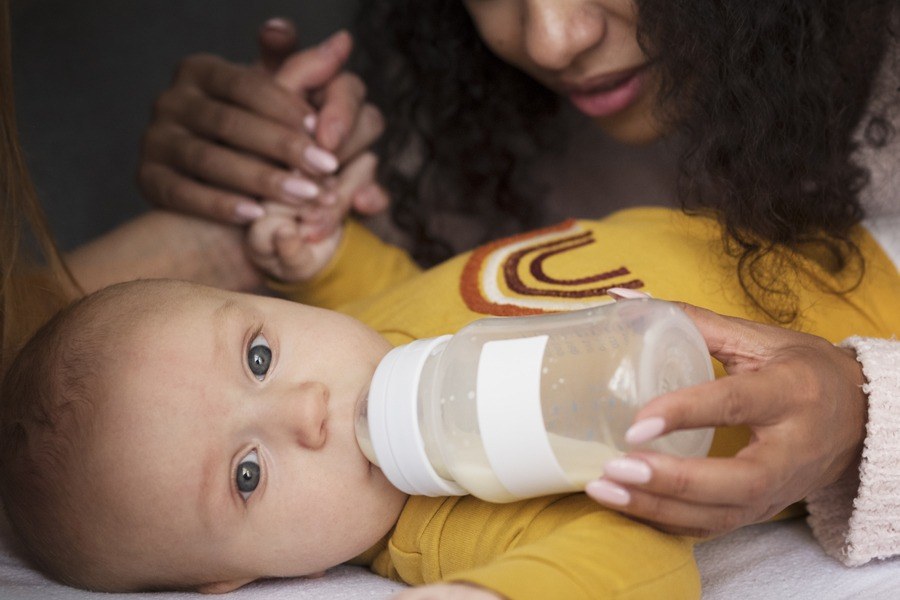
Baby Bottles:
Baby bottles are used for feeding infants either breast milk or formula. When choosing the right bottle, it is important to consider the child's age, material, size, and milk consistency.
Step 1: Choose the bottle based on the baby's age:
- For 0+ Months: First bottles for infants, usually with specially designed nipples that simulate breastfeeding and are softer for newborns.
- For 2+ Months: For infants who start eating more and need a larger quantity of milk.
- For 4+ Months: Suitable for infants adapting to the bottle where the milk might be thicker or have a different texture.
- For 6+ Months: Depending on the child's growth, a larger capacity bottle may be needed for feeding liquids and other foods.
Step 2: Choose the bottle size:
Typically, bottles range from 120ml to 360ml. Smaller sizes (120ml, 150ml) are for early stages when the baby eats small amounts. Larger ones (240ml and above) are for when the infant consumes more.
Step 3: Choose the type of bottle:
Accessories:
One bottle is never enough. Equip yourself with essential accessories like nipples, covers, or protectors. You can find sets that include various components, even for cleaning the bottle.
Nipples:
Nipples vary by material and size, offering different flow speeds (slow, medium, fast). Some are specifically designed for the transition from breastfeeding to the bottle.
Bottle:
The main body of the bottle with the mouth and nipple. Some feature anti-colic systems to reduce air bubbles that cause discomfort, as well as other ergonomic features.
Step 4: Choose the bottle based on the baby's gender:
Unisex Bottle:
Neutral designs that aren't gender-specific. Usually in beige or white with geometric patterns, stars, and animals.
Bottle for Boys or Girls:
There are bottles with designs and colors tailored to each gender, such as blue and green for boys or pink and purple for girls.
Step 5: Choose based on the bottle quality:
- ABS: Durable plastic that is lightweight and easy to clean. Usually used for more budget-friendly bottles.
- Glass and Silicone: Glass bottles are safe and free from BPA or other harmful chemicals. Combined with silicone nipples, they offer high quality and safety.
- Rubber: Usually used for bottle nipples. It is natural and durable but must be replaced regularly to avoid wear.
The right choice of baby feeding supplies is an important decision affecting safety, hygiene, and daily life. When choosing plates, bowls, bottles, and cutlery, consider the materials, quality, and functionality. By choosing BPA-free plastics, silicone, or steel, you ensure every meal is a pleasant and safe experience.
Remember that baby care is also about your daily convenience. Choose products that are easy to use, clean, and maintain. Moreover, the design and colors can make feeding time fun and encourage your baby to explore their food.
Purchasing the right baby feeding items is a step toward ensuring your child's health and well-being. This guide will help you make the best choice. Now, you can browse the rich collection of baby feeding supplies at designdrops and pick the ideal ones for you.
The information below is required for social login
Sign In
Create New Account