


Baby Sleeping Bags Shopping Guide
Buying a baby sleeping bag is an important decision, as it affects the safety, comfort, and quality of your baby's sleep. Sleeping bags provide a safe and comfortable way to keep your baby warm and protected during the night without the risks associated with blankets or duvets, which can cover the baby's face. This detailed guide will help you choose the ideal sleeping bag for your baby based on several factors.
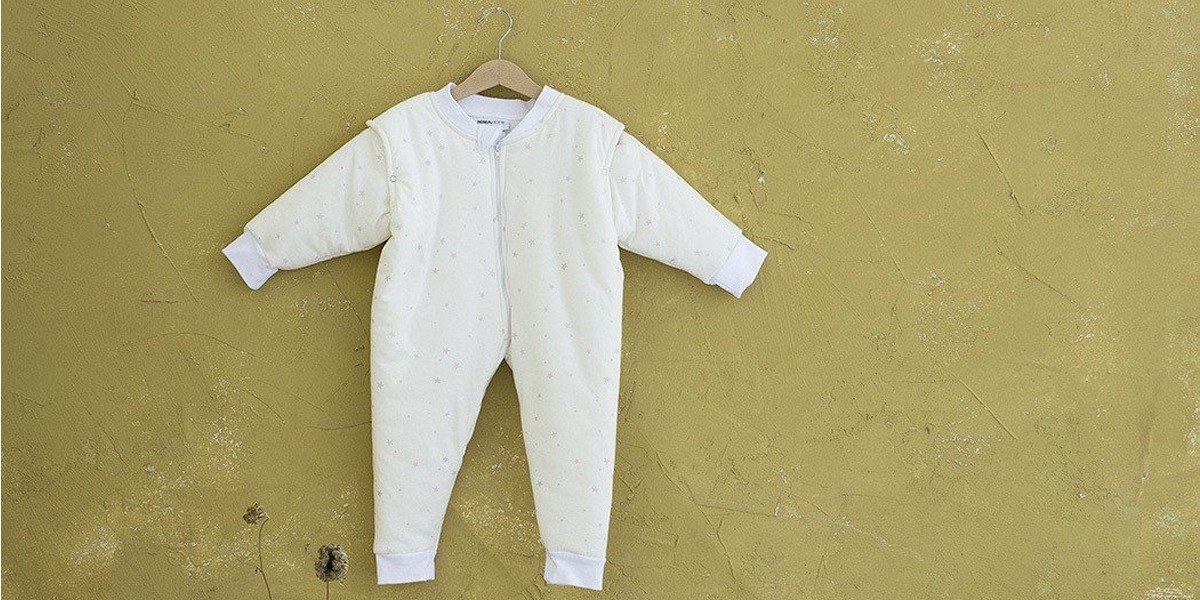
Step 1: Choose the quality of the baby sleeping bag:
The quality of the materials used in sleeping bags is the most important criterion for your baby's comfort and safety.
Cotton:
Cotton is the most common material for sleeping bags, as it is soft, hypoallergenic, and breathable. A cotton sleeping bag is ideal for a baby's sensitive skin because it allows it to breathe, acts as a temperature regulator, prevents sweating, and absorbs perspiration.
Microfiber:
Microfiber sleeping bags are soft and lightweight, providing comfort without being excessively warm.
Acrylic:
Acrylic sleeping bags offer significant warmth and are ideal for colder seasons. Since this is a synthetic material, it is best avoided during a newborn's first weeks, as synthetic materials do not "breathe" as well as natural ones and can cause irritation.
Polyester:
Polyester sleeping bags are durable, easy to maintain, and are often used in sleeping bags suitable for daily use. Its use should be avoided during a newborn's first weeks, as polyester is a man-made material and does not "breathe" as well as natural materials, posing a risk of irritation and overheating.
Step 2: Choose the size of the baby sleeping bag:
Choosing the right size for a baby sleeping bag depends on your baby's age and the correct fit for their comfort and safety. Depending on the size, the sleeping bag can offer the necessary freedom of movement or provide the required protection and warmth.
0-1 Years:
This size is ideal for newborns and babies aged 0 to 12 months. This sleeping bag is usually narrower around the neck and arms to keep the baby warm and prevent sudden movements. It is important that the sleeping bag allows the baby to move their legs but is not too large, to avoid the risk of suffocation or covering the face. It usually features a zipper for easy diaper changes.
0-2 Years:
This size is more flexible and covers the first years of the baby's life, for babies aged 0 to 24 months. Sleeping bags in this category provide enough room for the baby to move freely while maintaining safety and warmth. They may have elastic or adjustable sections to offer more comfort and adapt to the baby's growth.
2-4 Years:
This size is ideal for older babies and toddlers aged 2 to 4 years, who are starting to be more mobile during sleep. Sleeping bags in this size usually have more room for movement and are more spacious, but they maintain safety around the neck and arms to prevent hazards. They offer more flexibility to grow with the child and cover the night without restrictions.
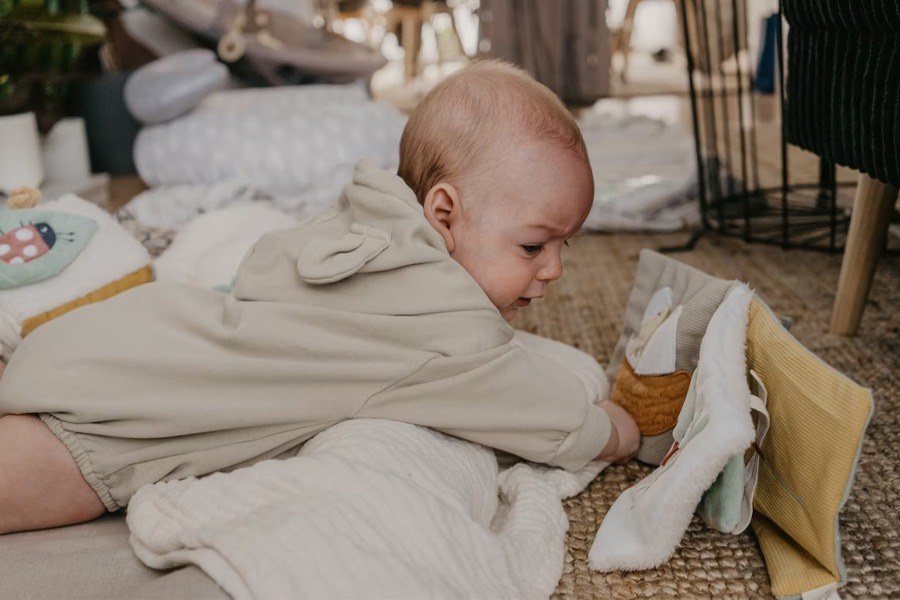
Step 3: Choose the thermal performance of the baby sleeping bag:
The TOG (Thermal Overall Grade) rating determines the thermal performance of the sleeping bag—how warm it is. Choosing the right thermal performance depends on the temperature of the baby's room.
- TOG 0.5-1.0: For warm temperatures (above 24°C). Ideal for summer or rooms with good heating.
- TOG 1.5-2.5: For mild temperatures (18-22°C). Ideal for most seasons of the year.
- TOG 3.0 and above: For cold temperatures (below 18°C). Ideal for winter or rooms with low temperatures.
Step 4: Choose the baby sleeping bag based on ergonomics:
The sleeping bag must meet certain safety and comfort criteria:
- Zippers: Some sleeping bags feature zippers that allow for easy use. It is a good idea to choose zippers with protection to avoid the risk of injuring the baby.
- Ease of Use: Some sleeping bags feature buttons or zippers at the bottom for easy diaper changes without waking the baby.
- Adaptability: Choose sleeping bags with adjustable parts, such as extendable straps or foldable sections, to grow with your baby.
- Breathability: Good air circulation is vital to ensure your baby does not overheat while sleeping. Some materials are more breathable than others, so choose natural materials like cotton.
Step 5: Choose the baby sleeping bag based on the baby's gender:
Choosing a baby sleeping bag based on gender is not necessary. Usually, sleeping bags are available in various colors and designs that align with traditional genders, but there are many unisex options that can be used regardless of gender.
Baby Sleeping Bag for Boys:
Sleeping bags for boys are usually available in blue, green, or brown colors, with designs featuring animals, planes, cars, dinosaurs, etc.
Baby Sleeping Bag for Girls:
Sleeping bags for girls are usually available in pink, fuchsia, purple, or pastel colors, along with designs featuring flowers, butterflies, hearts, unicorns, or princesses.
Unisex Baby Sleeping Bag:
If you prefer to choose a sleeping bag that can be used by both genders or if you want something more neutral, there are many non-gender-specific options. The colors of a unisex sleeping bag are usually white, gray, yellow, and beige, while the most popular designs are animals, stars, and geometric patterns.
The information below is required for social login
Sign In
Create New Account