


Outdoor Furniture Shopping Guide
The outdoor area is an extension of your home, ideal for relaxation, entertainment, and creating beautiful moments. Choosing the right outdoor furniture is essential to enjoy comfort, functionality, and style in your garden, terrace, or balcony. Here is a detailed guide for every category of outdoor furniture.
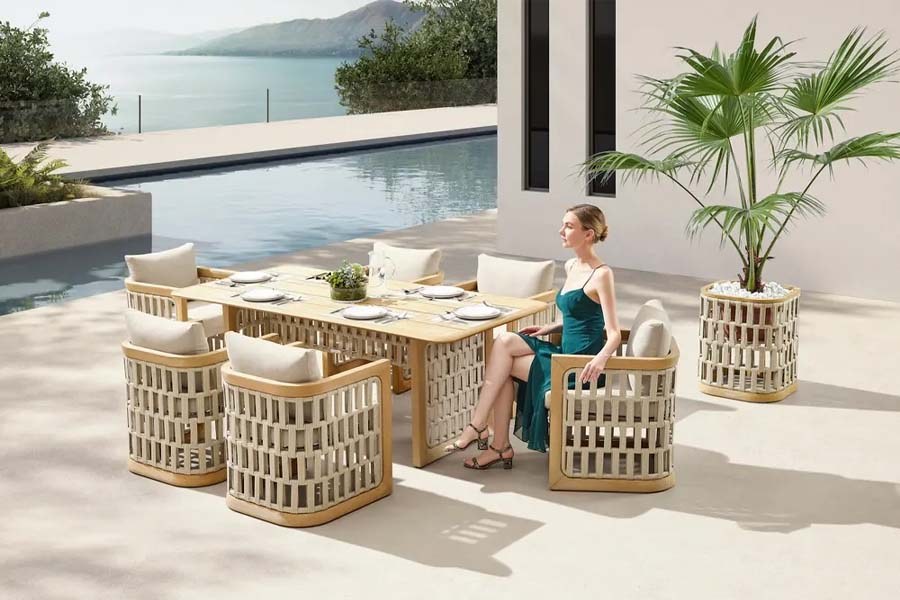
Outdoor Dining Sets
Purchasing an outdoor dining set can transform your garden, yard, or balcony into a comfortable and functional space. Here is a detailed guide with everything you need to consider to make the right choice.
1. Determine Your Needs
What is your goal?
- Dining: You need a set for family meals or gatherings.
- Relaxation: You can choose more casual designs with comfortable chairs.
- Decoration: An elegant set can also function as a decorative element.
How many people will it serve?
- Choose between small sets (2-4 people) for balconies or large sets (6-12 people) for larger spaces.
2. Calculate Your Space
Measure availability:
- Measure the space where the set will be placed.
- Ensure there is enough room for chairs and people to move comfortably.
Consider orientation:
- Sun, wind, and shade affect comfort. You might also need an umbrella or awning.
3. Construction Materials
Materials play a decisive role in the lifespan, maintenance, and appearance of your set.
Wood
- Advantages: Elegance, natural appearance, durability (e.g., teak, eucalyptus).
- Disadvantages: Requires maintenance with oil or varnish.
Metal
- Aluminum: Lightweight, rust-resistant.
- Wrought Iron: Heavy, durable but needs protection from rust.
- Stainless Steel: Modern aesthetics, high durability.
Synthetic Rattan
- Advantages: Weather-resistant, low maintenance, modern appearance.
- Disadvantages: Quality varies; pay attention to UV resistance.
Plastic
- Advantages: Inexpensive, lightweight, rain-resistant.
- Disadvantages: Appearance may degrade over time.
Glass
- Suitable for tables: Durable safety glass, easy to clean.
- Disadvantages: Sensitivity to impacts and scratches.
4. Style and Design
Classic or Modern?
- Classic sets (wooden or iron) for a traditional look.
- Modern sets (metal or rattan) for minimal aesthetics.
Color
- Choose neutral colors for timelessness or bold ones to add character.
Functionality
- Folding or stackable sets to save space.
- Extendable tables for flexibility.
5. Durability and Maintenance
Durability
- Choose weather-resistant materials if you live in areas with heavy rain or sun.
Maintenance
- Some materials, such as wood, need regular care.
- Acquire covers for protection during winter months.
6. Additional Accessories
- Cushions: Choose waterproof or with removable covers for easy cleaning.
- Umbrella/Awning: For shade and sun protection.
- Lighting: LED lights or lanterns for evening use.
- Storage: Folding chairs or stools with storage space.
Tip:
Do not overlook quality for a lower price. Invest in durable materials for long-term use.
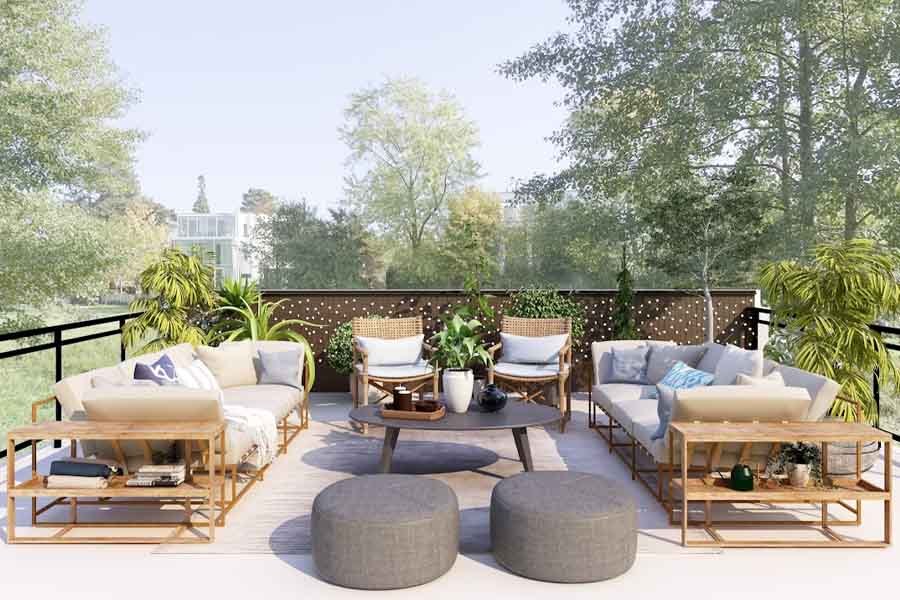
Garden & Terrace Lounge Sets
Buying Guide for Outdoor Garden & Terrace Sets
Choosing the right garden or terrace set can upgrade the functionality and aesthetics of your outdoor space. Here is a detailed guide to finding the ideal set tailored to your needs.
1. Identify Your Needs
How will you use the set?
- Relaxation: Ideally casual sets with comfortable sofas or armchairs.
- Entertainment: Large tables and chairs for friendly or family gatherings.
- Decoration: Choose a set that complements the general aesthetics of your space.
How many people will it serve?
- Small sets: For 2-4 people, ideal for small terraces or balconies.
- Medium sets: For 4-6 people, suitable for yards or gardens with relatively limited space.
- Large sets: For 6-12 people, ideal for spacious terraces or large gardens.
2. Measure Available Space
- Carefully measure the dimensions of your area.
- Ensure there is enough space for chairs and guests to move.
- Consider if you need extra room for accessories like umbrellas, coffee tables, or outdoor lighting.
3. Choose Construction Materials
Materials affect the durability, maintenance, and appearance of your set.
Wood
- Provides a natural and classic look. It is resistant to wear if you use teak, bamboo, or eucalyptus wood. However, remember it requires regular maintenance with varnishes or oil.
Metal
- Aluminum: Rust-resistant, lightweight, and easy to move.
- Stainless Steel: Elegant and durable, but more expensive.
- Iron: Timeless and sturdy, but heavy and sensitive to rust.
Rattan (Synthetic Wicker)
- Rattan is weather-resistant and offers a modern appearance.
Plastic
- Its advantages include being affordable, lightweight, and water-resistant. Its disadvantages include the fact that it may lose its original appearance over time.
Glass
- Mainly used for table surfaces. Prefer safety (tempered) glass for greater durability.
4. Style and Design Choice
Design
- Modern: Clean aesthetics with metallic lines and synthetic materials.
- Classic: Wooden or iron sets with detailed craftsmanship.
- Boho or Rustic: Handcrafted designs using natural materials.
Colors
- Choose neutral colors (gray, beige, white) for timelessness.
- Prefer brighter colors (blue, green, yellow) for a more vibrant mood.
Functionality
- Folding or stackable chairs for storage ease.
- Sets with extendable tables to adapt to your needs.
5. Durability and Maintenance
- Check if materials are weather-resistant.
- Prefer waterproof fabrics or surfaces with UV protection.
- Invest in covers for protection during winter months.
6. Additional Accessories
- Cushions: Waterproof, with removable covers for easy cleaning.
- Umbrella or Shade: For sun protection.
- Storage: Folding side tables or furniture with storage compartments.
- Lighting: LED lights, lanterns, or solar fixtures.
7. Maintenance Tips
- Clean materials regularly with suitable products.
- Store the set in a sheltered area or use covers during winter months.
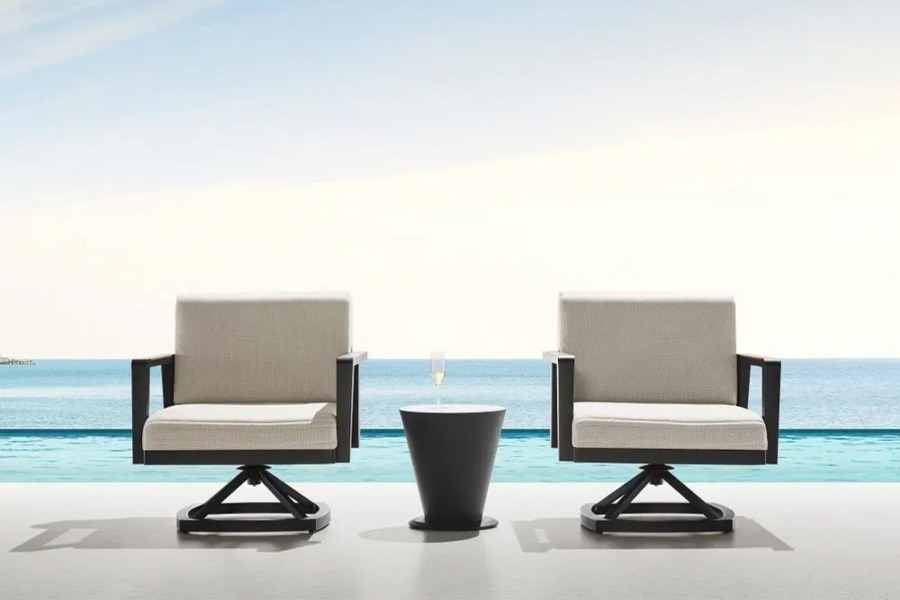
Outdoor Chairs & Armchairs
The outdoor chairs and armchairs are fundamental elements for creating a functional and comfortable outdoor area. Depending on use, style, and available space, there are many options to suit your needs.
1. Defining Needs
Before making a purchase, it is important to determine their use.
- For outdoor dining, you need stable and comfortable chairs with correct ergonomics.
- For relaxation, armchairs with cushions or adjustable backs are a better choice.
- If space is limited, folding or stackable chairs facilitate storage.
- If weather conditions are severe, prefer materials that withstand humidity, sun, and wind.
2. Material Choice
The choice of material affects the durability, maintenance, and aesthetics of the furniture.
- Wood: Gives a natural and warm feel. Woods like teak and eucalyptus are weather-resistant but require maintenance.
- Aluminum: Rust-resistant, lightweight, and easy to move, ideal for modern setups.
- Metal: Timeless and stable, but needs protection from rust.
- Synthetic Rattan: A modern choice with high resistance to humidity and sun.
- Plastic: An economical and lightweight option, though it may wear faster from sun exposure.
- Textilene Fabric: Used on metal-frame chairs, offering durability and comfort without requiring cushions.
3. Comfort and Functionality
- Chairs with armrests offer extra comfort for long-term use.
- Reclining armchairs adapt to relaxation needs.
- Cushioned chairs feature removable and waterproof covers for easy cleaning.
- If space is limited, choose folding or stackable models for storage ease.
4. Weather Resistance
Depending on your region's climate, you must choose chairs that will withstand sun, humidity, and cold.
- Metal chairs with anti-rust treatment are suitable for seaside areas.
- Plastic and rattan furniture are not affected by humidity but may fade in the sun.
- Wooden chairs need regular care with special oils and varnishes to maintain their durability.
- Cushion fabrics should be waterproof or UV-resistant.
5. Style and Design
Chairs and armchairs should match the aesthetics of the rest of the space.
- For classic decoration, prefer wooden or iron furniture with intricate details.
- For a modern look, clean lines, metallic elements, and neutral shades are ideal.
- For boho or rustic decoration, wicker or rattan chairs give a more natural and relaxed feel.
- Vibrant shades in cushions or frames can add liveliness to the space.
6. Budget
The cost of chairs depends on the material, design, and durability.
- Economy options range from 20 to 80 euros per chair, mainly plastic or metal.
- Mid-range options cost from 80 to 200 euros, including rattan and wooden choices.
- Luxury chairs and armchairs start from 200 euros and up, usually featuring high-quality wood, durable rattan, and premium fabrics.
7. Tips for the Best Purchase
- If buying multiple chairs, choose a set for better value.
- Consider future use and whether they match other outdoor furniture.
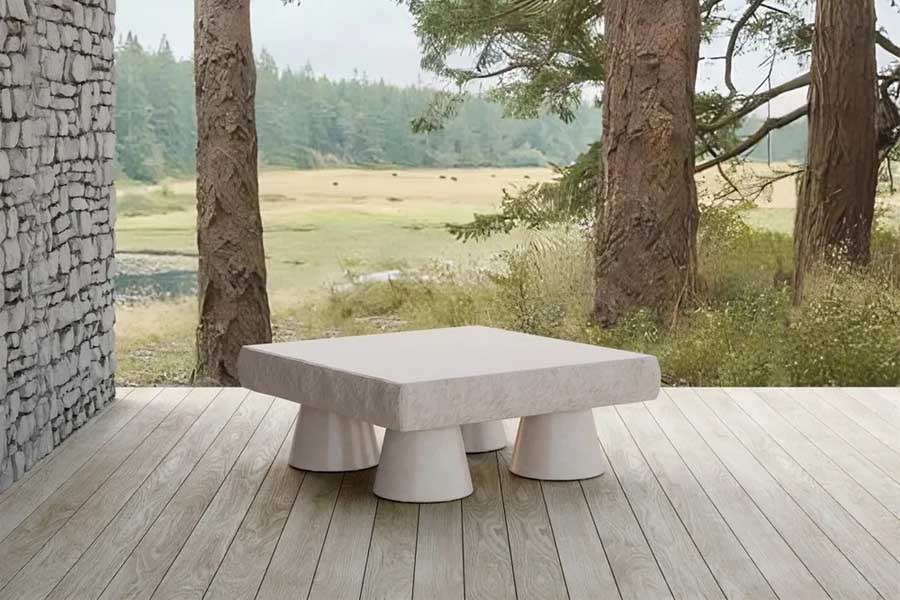
Outdoor Tables
The table is one of the most fundamental pieces of furniture for your outdoor space, as it serves as a central point for dining, meetings, and relaxation. Choosing the right table depends on your needs, available space, construction material, and the overall aesthetic of the area.
1. Defining Your Needs
To choose the ideal outdoor table, think about how you will be using it.
- If you want it for meals, choose a stable dining table of the appropriate size.
- For relaxation and coffee, a low coffee table is more practical.
- If you have a small space, prefer folding or extendable tables.
- If the table will be exposed to extreme weather conditions, choose durable materials.
2. Choosing Shape and Size
The shape of the table affects both the aesthetics and the functionality of your space.
- Rectangular: Ideal for large gatherings and traditional layouts.
- Square: Suitable for small spaces and symmetrical placement.
- Round: Allows for better communication and is safer for children.
- Oval: Offers the comfort of a round table with a larger usable surface area.
The size should match the number of people it will serve:
- For 2-4 people: Small table of 60-90 cm.
- For 4-6 people: Medium table of 120-160 cm.
- For 6-10 people: Large table of 180-240 cm.
- If space is limited, prefer folding or extendable models.
3. Choosing Construction Material
The table's material affects its durability, maintenance, and aesthetics.
- Wood: Gives a natural and warm feel. Teak, eucalyptus, and bamboo are resistant to moisture and sun but require maintenance.
- Aluminum: Rust-resistant, lightweight, and easy to move. Ideal for modern aesthetics.
- Wrought Iron: Offers stability and durability but can rust if it hasn't had an anti-corrosion treatment.
- Rattan (Synthetic Wicker): Modern and moisture-resistant, but quality plays a significant role in its durability.
- Glass: Provides elegance and is easy to clean but can be sensitive to impacts. Prefer safety (tempered) glass.
- Plastic or Resin: An affordable choice, lightweight and durable, but it may lose its original appearance over time.
4. Weather Resistance
Depending on the weather conditions in your area, choose tables with the corresponding features:
- For areas with intense sunshine, prefer materials with UV protection, such as aluminum or rattan.
- If there is high humidity or rainfall, wooden tables should have special waterproofing.
- In coastal areas, avoid metal unless it is stainless steel.
- If the table remains exposed to sun and rain, prefer one with a durable surface or use a protective cover.
5. Style and Design
The table should match the decoration of your outdoor space.
- Classic: Wooden or iron tables with details and carvings.
- Modern: Clean lines, metallic or glass elements.
- Rustic or Boho: Handcrafted designs, natural materials like bamboo or rattan.
- Minimal: Simple geometric lines and neutral colors like white, black, and gray.
6. Extra Functions and Features
If you are looking for more convenience and functionality, look for the following features:
- Extendable tables: Ideal for cases where you need to host more people.
- Tables with storage space: Some models feature built-in shelves or cabinets.
- Folding tables: For small spaces or easy storage when not in use.
- Built-in umbrella hole: Useful if you want to add shade without requiring a separate base.
7. Budget and Price Range
The cost of a table depends on size, material, and construction quality.
- Economy options: 50-150 euros for plastic or simple metal tables.
- Mid-range: 150-500 euros for wooden, rattan, or glass tables.
- Premium options: 500 euros and up for large, durable tables made of high-quality wood, aluminum, or luxury designs.
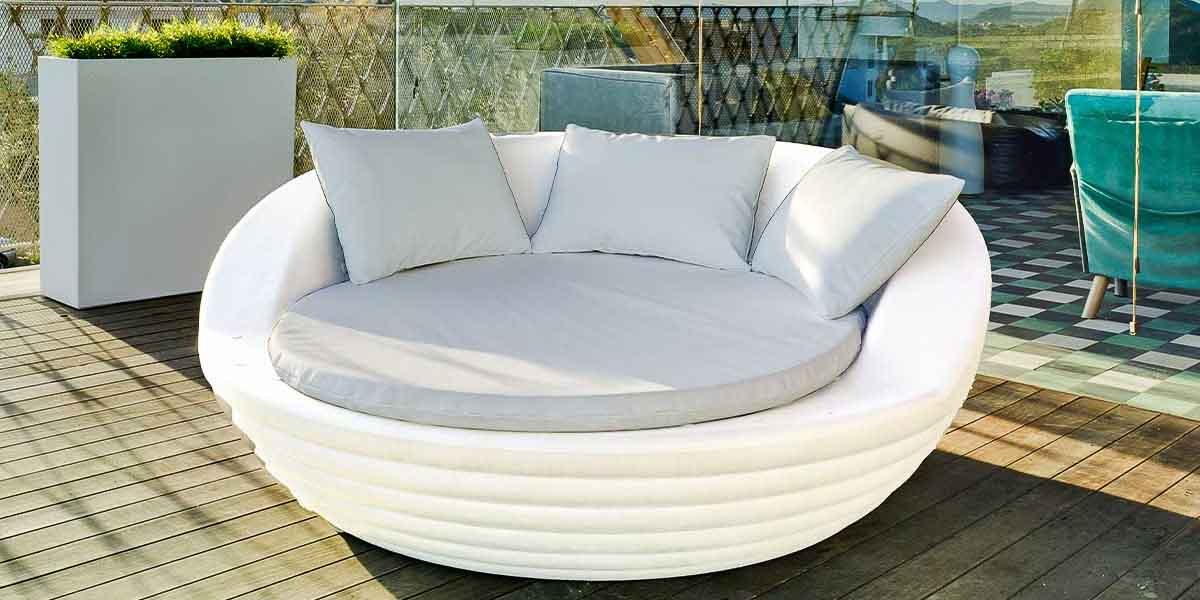
Outdoor Sofas
The outdoor sofas are a key element for creating a comfortable and stylish relaxation area on the terrace, garden, or balcony. Choosing the right sofa depends on factors such as available space, construction material, weather resistance, and comfort.
1. Defining Your Needs
Before choosing a sofa for your outdoor space, consider:
- How many people do you want it to accommodate? For 2-3 people, a small two-seater or three-seater sofa is ideal, while for larger capacity, prefer corner sofas.
- Will it be used mainly for dining, relaxation, or social gatherings? More comfortable and soft sofas are suitable for relaxation, while firmer ones are ideal for dining.
- How much space is available? Measure the spot where it will be placed to ensure there is enough room for movement.
- How easy is it to maintain? Choose materials that withstand weather conditions and are easy to clean.
2. Choosing the Type of Sofa
Outdoor sofas are available in various types, depending on use and available space.
- Two-seater or three-seater sofas: Ideal for small spaces and balconies.
- Corner sofas: Offer greater capacity and make better use of corners.
- Modular sofas: Consist of different pieces that can be rearranged according to your needs.
3. Choosing Construction Material
The sofa's material affects its weather resistance, maintenance, and overall aesthetics.
- Wood: A natural and warm material, with options like teak and eucalyptus which are resistant to humidity and weather conditions. It requires regular maintenance with special oils or varnishes.
- Synthetic rattan (poly-rattan): Resistant to moisture and high temperatures, it does not require special maintenance and has a modern aesthetic.
- Aluminum: Lightweight, rust-resistant, and easy to move. Ideal for contemporary designs.
- Wrought iron: A classic and timeless choice, but it can rust if it doesn't have a protective coating.
- Plastic or PP: Economical, lightweight, and moisture-resistant, but it can wear down over time.
4. Choosing Fabrics and Cushions
Sofa fabrics must be weather-resistant and easy to clean.
- Waterproof fabrics: Protect against rain and stains, such as textilene or olefin.
- UV-resistant: They do not fade in the sun, such as Sunbrella.
- Removable covers: Allow for washing and easy maintenance.
- Quick-drying cushions: Made of foam that does not retain moisture.
5. Weather Resistance
Depending on your area's climate, choose a sofa that can withstand the corresponding conditions.
- If placed in a spot with direct sun exposure, prefer UV-resistant materials and fabrics.
- For areas with humidity and rain, wooden or metal furniture with anti-corrosion treatment is preferable.
- In coastal areas, avoid metal furniture that may be corroded by salt air.
6. Style and Design
Choose a sofa that matches the overall aesthetic of your outdoor space.
- Modern: Clean lines, aluminum frame, and neutral colors.
- Classic: Wooden frame and natural fabrics.
- Boho or rustic: Rattan or bamboo with soft, earthy colors.
- Minimal: Simple design, gray, black, or white color.
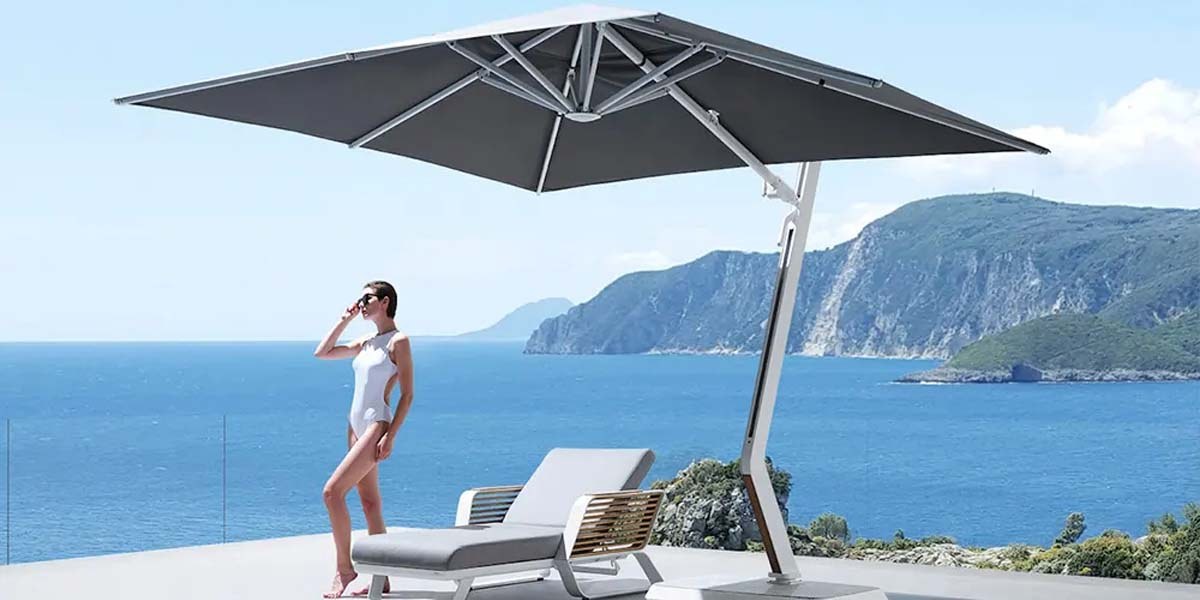
Ομπρέλες
Οι ομπρέλες εξωτερικού χώρου είναι απαραίτητες για την προστασία από τον ήλιο και τη δημιουργία μιας δροσερής και άνετης ατμόσφαιρας στον κήπο, τη βεράντα ή το μπαλκόνι σας. Η σωστή επιλογή εξαρτάται από διάφορους παράγοντες, όπως το μέγεθος, ο μηχανισμός, το υλικό και η αντοχή στις καιρικές συνθήκες.
1. Καθορισμός Αναγκών
Πριν αγοράσετε μια ομπρέλα εξωτερικού χώρου, αναρωτηθείτε:
- Σε ποιο σημείο θα την τοποθετήσετε; Επιλέξτε ανάλογα με το χώρο (κήπος, μπαλκόνι, τραπεζαρία κ.λπ.).
- Πόσο μεγάλη πρέπει να είναι; Η σκιά που παρέχει πρέπει να καλύπτει τον επιθυμητό χώρο.
- Χρειάζεστε σταθερή ή μετακινούμενη λύση; Οι ομπρέλες με τροχήλατη βάση είναι πιο ευέλικτες.
- Ποιες είναι οι καιρικές συνθήκες της περιοχής σας; Αν έχει δυνατούς ανέμους, επιλέξτε ανθεκτικό μηχανισμό και βαριά βάση.
2. Επιλογή Τύπου Ομπρέλας
Υπάρχουν διάφοροι τύποι ομπρελών για εξωτερικούς χώρους, καθένας με διαφορετικά πλεονεκτήματα.
- Κλασική ομπρέλα με κεντρικό κοντάρι: Η πιο συνηθισμένη επιλογή, ιδανική για τοποθέτηση σε τραπέζια με υποδοχή για ομπρέλα.
- Ομπρέλα με βραχίονα (μπαλανζέ): Έχει πλαϊνό στήριγμα και προσφέρει μεγαλύτερη ευελιξία στη σκίαση, χωρίς να εμποδίζει τον χώρο κάτω από αυτή.
- Τηλεσκοπική ομπρέλα: Διευκολύνει την προσαρμογή ύψους και γωνίας για καλύτερη προστασία από τον ήλιο.
- Πτυσσόμενη ομπρέλα: Ιδανική για μικρούς χώρους, καθώς μπορεί να αποθηκευτεί εύκολα.
- Ομπρέλα τύπου καμπάνα: Παρέχει σκίαση και από τα πλάγια, κατάλληλη για περιοχές με ισχυρό άνεμο ή χαμηλό ήλιο.
- Τέντα-ομπρέλα: Προσφέρει σκίαση μεγαλύτερης επιφάνειας και στερεώνεται συνήθως σε τοίχο.
3. Επιλογή Μεγέθους
Το μέγεθος της ομπρέλας καθορίζει την επιφάνεια σκίασης.
- 1,5-2 μέτρα: Ιδανική για μικρά τραπέζια ή μπαλκόνια.
- 2,5-3 μέτρα: Καλύπτει ένα τραπέζι 4-6 ατόμων.
- 3,5-4 μέτρα: Παρέχει σκίαση για μεγάλα τραπέζια ή καθιστικά εξωτερικού χώρου.
- 5+ μέτρα: Κατάλληλη για επαγγελματικούς χώρους ή μεγάλες αυλές.
4. Επιλογή Υλικού Σκελετού
Το υλικό του σκελετού επηρεάζει τη σταθερότητα και την αντοχή της ομπρέλας.
- Αλουμίνιο: Ελαφρύ, ανθεκτικό στη σκουριά και εύκολο στη μετακίνηση.
- Ατσάλι: Πιο στιβαρό από το αλουμίνιο, αλλά μπορεί να σκουριάσει αν δεν έχει αντιδιαβρωτική επεξεργασία.
- Ξύλο: Προσφέρει κλασική και φυσική εμφάνιση, αλλά απαιτεί συντήρηση για να αντέξει στις καιρικές συνθήκες.
- Fiberglass (υαλοΐνες): Πολύ ανθεκτικό στον άνεμο, ευέλικτο και ελαφρύ.
5. Επιλογή Υφάσματος Σκίασης
Το ύφασμα της ομπρέλας πρέπει να είναι ανθεκτικό στις καιρικές συνθήκες και να παρέχει καλή προστασία από τον ήλιο.
- Πολυεστέρας: Οικονομική επιλογή, αλλά μπορεί να ξεθωριάσει με τον χρόνο.
- Olefin: Ανθεκτικό στο ξεθώριασμα και τις καιρικές συνθήκες.
- Acrylic (Sunbrella): Εξαιρετικά ανθεκτικό, με προστασία από τις ακτίνες UV και αντοχή στη μούχλα.
- Canvas (καμβάς): Ισχυρό ύφασμα, αλλά χρειάζεται επιπλέον προστασία για να μη φθαρεί από την υγρασία.
Σημείο Προσοχής: Αναζητήστε υφάσματα με UV προστασία και υδροφοβική επεξεργασία για μεγαλύτερη αντοχή.
6. Μηχανισμός Ανοίγματος
Η ευκολία ανοίγματος της ομπρέλας επηρεάζει τη χρηστικότητά της.
- Μανιβέλα (χειροκίνητη): Εύκολη στη χρήση, χωρίς μεγάλη προσπάθεια.
- Μηχανισμός Push-Up: Παρόμοιος με τις κοινές ομπρέλες χειρός, χρειάζεται μεγαλύτερη δύναμη.
- Τηλεσκοπικός μηχανισμός: Επιτρέπει ρύθμιση ύψους και γωνίας σκίασης.
- Αυτόματο άνοιγμα με αέριο (gas-lift): Πολύ εύκολος χειρισμός, αλλά ακριβότερη επιλογή.
7. Επιλογή Βάσης Ομπρέλας
Η σωστή βάση εξασφαλίζει σταθερότητα, ειδικά σε περιοχές με αέρα.
- Πλαστική βάση με νερό ή άμμο: Οικονομική επιλογή, αλλά όχι η πιο ανθεκτική.
- Τσιμεντένια βάση: Πολύ σταθερή και ανθεκτική.
- Μεταλλική βάση με βαρίδια: Επιτρέπει εύκολη μετακίνηση και ρύθμιση.
- Βάση με ροδάκια: Για ευκολία στη μετακίνηση.
Για ομπρέλες έως 2,5 μέτρα, αρκεί βάση 20-30 κιλών. Για μεγαλύτερες ομπρέλες, χρειάζεται βάση 40-80 κιλών ή περισσότερη αντοχή σε ανέμους.
8. Ανθεκτικότητα στις Καιρικές Συνθήκες
Ανάλογα με τις κλιματολογικές συνθήκες, επιλέξτε τα κατάλληλα χαρακτηριστικά.
- Προστασία από τον ήλιο: Επιλέξτε ύφασμα με UV προστασία.
- Αντοχή στον άνεμο: Οι fiberglass σκελετοί και οι βαριές βάσεις βοηθούν στη σταθερότητα.
- Ανθεκτικότητα στη βροχή: Επιλέξτε υδατοαπωθητικά υφάσματα και υλικά σκελετού ανθεκτικά στη διάβρωση.
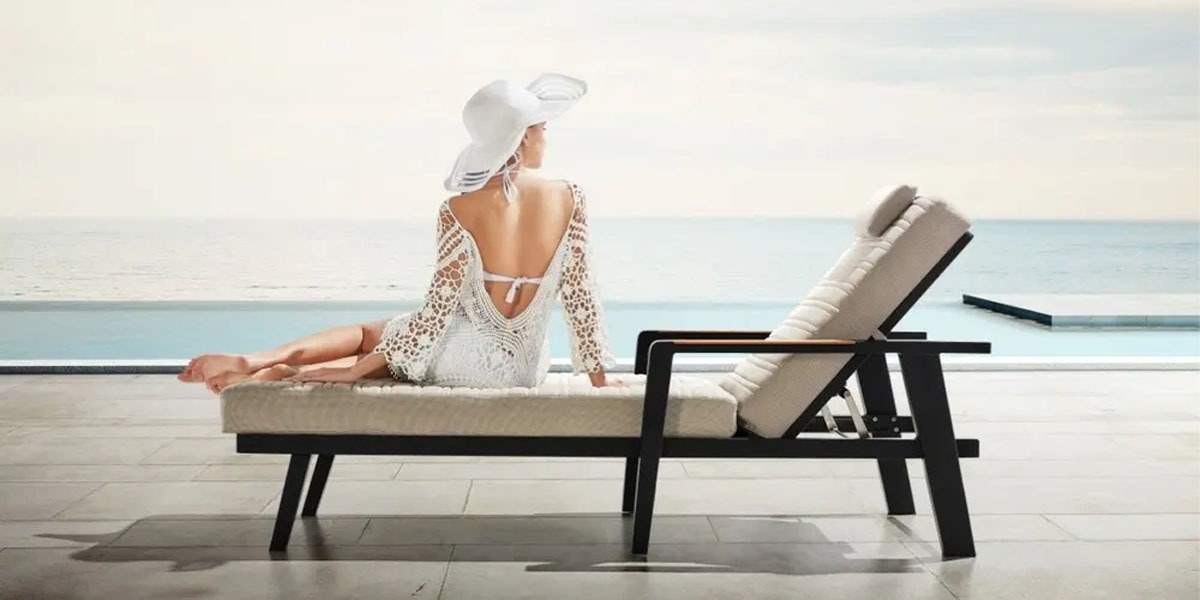
Sun Loungers
The sun loungers are ideal for relaxation in the garden, on the terrace, or by the pool. Choosing the right lounger depends on various factors, such as material, weather resistance, comfort, and aesthetics.
1. Defining Your Needs
Before proceeding with a purchase, consider:
- Where will the lounger be placed? Choose durable materials if it is for a coastal area or a spot with intense sunshine.
- How much space is available? Measure the installation surface to ensure there is enough room for movement.
- Do you want a fixed or folding lounger? Fixed ones are more durable, while folding ones save space when not in use.
- Do you need a lounger with wheels? Wheeled loungers make it easier to move according to the sun's position.
- Are you looking for extra comfort? Built-in cushions or padding make usage more restful.
2. Choosing the Type of Lounger
There are various types of sun loungers, depending on the use and the comfort they offer.
- Classic lounger with adjustable back: The most popular choice, suitable for sunbathing and relaxation.
- Chaise lounge: With an ergonomic design that adapts to the body for greater comfort.
- Lounger with canopy: Offers protection from the sun, ideal for long hours of use.
- Double lounger (daybed): Ideal for couples or those who want more space.
- Folding lounger: Easy to store and transport, suitable for small spaces.
3. Choosing the Frame Material
The frame material affects the durability, weight, and maintenance of the lounger.
- Aluminum: Rust-resistant, lightweight, and easy to move.
- Wood (teak, bamboo, eucalyptus): Elegant and natural, but needs regular maintenance.
- Wrought iron: Sturdy and classic, but can rust if it doesn't have proper protection.
- Polypropylene (plastic): An economical and durable choice, but less elegant than other materials.
- Rattan (synthetic poly-rattan): Visually attractive and weather-resistant.
4. Choosing the Seat Material
The lounger's seat must be comfortable, durable, and easy to clean.
- Textilene: Durable, waterproof, and dries quickly.
- Waterproof cushions (olefin, Sunbrella): Comfortable, but must be resistant to moisture and solar radiation.
- Batyline (high-quality synthetic fabric): Breathable and dries quickly, suitable for hot climates.
- Wooden or plastic seat: Stable, but may require extra cushions for comfort.
5. Adjustable Functions
A good lounger should feature adjustments for greater comfort.
- Multi-position backrest: Allows for different relaxation positions (lying down, sitting, intermediate).
- Adjustable footrest: Offers additional support for the legs.
- Folding mechanism: Easy for storage and transport.
- Integrated side table: Useful for placing drinks, books, or objects.
6. Weather Resistance
It is important that the lounger withstands outdoor conditions, especially if exposed to sun, humidity, or salt air.
- Sun resistance: Prefer materials with UV protection to avoid fading.
- Rain resistance: Choose waterproof materials and cushions that dry quickly.
- Wind resistance: For areas with strong winds, prefer heavier loungers or models with a stable frame.
7. Style and Aesthetics
The lounger should match your outdoor space's decoration.
- Modern style: Clean lines, metallic frames, and neutral colors.
- Classic style: Wooden frames and earthy tones.
- Tropical / Boho: A combination of rattan, bamboo, and fabric elements.
- Minimal: Simple design, white or black shades.
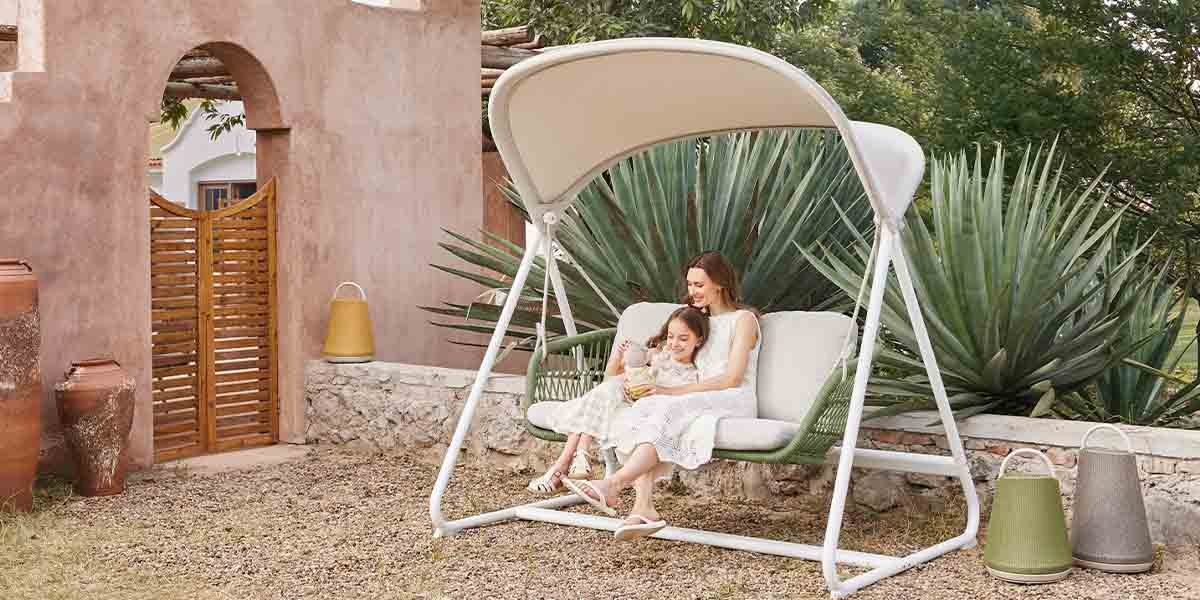
Hammocks - Swings
The outdoor hammocks and swings are the ultimate choice for relaxation in the garden, on the terrace, or the balcony. They offer comfort, style, and a sense of tranquility, while they can serve as a standout decorative element in your space. The right choice depends on various factors, such as type, materials, durability, and installation method.
1. Identifying Your Needs
Before proceeding with a purchase, consider the following:
- Installation space: Will it be placed in a garden, balcony, or indoors? The available space will determine the size and type of the hammock or swing.
- Support type: Do you prefer a hanging option or a free-standing one with a support base?
- Usage: Will it be used for daily relaxation, sleeping, or decorative purposes?
- Portability: If you want to move the hammock or swing, choose lightweight materials and easy installation.
2. Choosing the Type of Hammock
Hammocks are available in various types, depending on comfort, functionality, and durability.
- Classic rope hammock: Lightweight, ideal for summer, but may not be very comfortable without cushions.
- Fabric hammock: Offers more support and comfort, suitable for daily use.
- Hammock with spreader bars: Features wooden supports at the ends for greater stability.
- Brazilian type hammock: Made of thick fabric, offers excellent comfort and is durable.
- Hammock with support base: Ideal if you don't have suspension points (e.g., trees or beams).
- Hammock chair: A hanging seat, ideal for terraces and small spaces.
- Camping hammock: Made of lightweight and durable materials, easy to transport and store.
3. Choosing the Type of Swing
Outdoor swings are available in various designs, suitable for different needs.
- Classic swing with chains: Mounted on pergolas, trees, or beams.
- Swing with support base: Includes a metal or wooden frame for stability.
- Swing sofa: Ideal for more people, offers greater comfort.
- Hanging egg chair: Modern design, comfortable and suitable for balconies and terraces.
- Wooden garden swing: A classic choice with natural aesthetics.
- Daybed swing: Larger surface area, can be used for lying down.
- Swing with canopy: Features an integrated awning for sun protection.
4. Choosing Materials
The construction material determines the durability, aesthetics, and maintenance of the hammock or swing.
For hammocks
- Cotton fabric: Soft, breathable, but requires caution in the rain.
- Polyester fabric: Weather-resistant, suitable for outdoor spaces.
- Nylon: Lightweight and ideal for camping.
- Rope (cotton rope or polyester rope): Classic style, but can wear out quickly.
For swings
- Wood (teak, eucalyptus, bamboo): Elegant and natural, but requires maintenance.
- Metal (aluminum or iron): Stable and durable, but may need anti-corrosion protection.
- Polypropylene (rattan or wicker): Lightweight and durable, with an elegant design.
- Padded fabric: Soft and comfortable, but must be waterproof and UV-resistant.
5. Key Features
To choose the best hammock or swing, pay attention to the following:
- Maximum weight capacity: Most hammocks support 100-250 kg, while swings can reach up to 400 kg.
- Mounting method: Hammocks can be tied to trees or placed on bases, while swings require sturdy supports.
- Weather resistance: Choose materials that withstand sun, rain, and humidity.
- Comfort: Prefer hammocks and swings with integrated cushions or extra padding.
- Folding design: If you want ease of transport and storage.
6. Style and Decoration
The hammock or swing should match the aesthetic of your outdoor space.
- Modern style: Metallic or wicker swings, neutral colors.
- Boho / Tropical style: Cotton hammocks, vibrant colors, macramé details.
- Classic style: Wooden or fabric hammocks and swings with timeless design.
Outdoor Bar Stools & Outdoor Stools
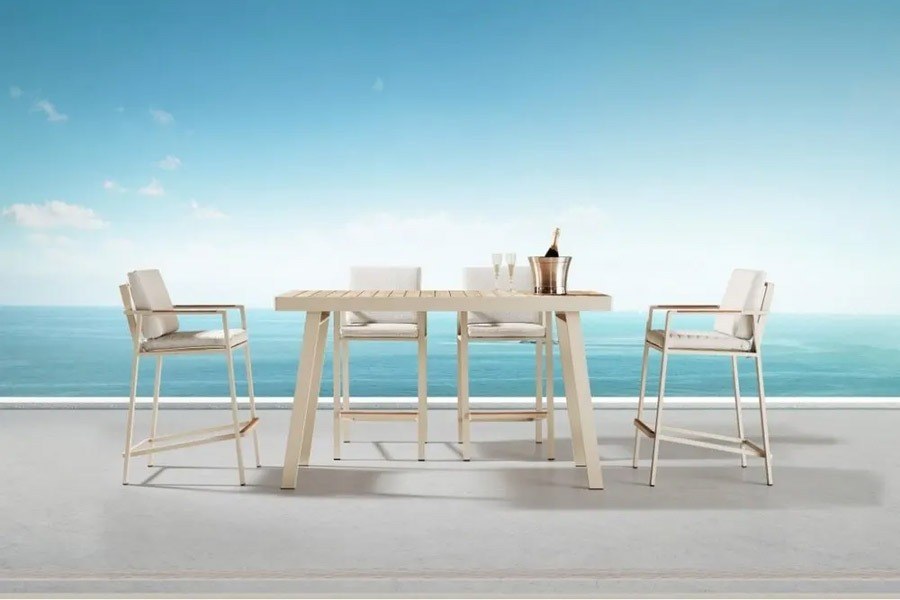
The outdoor stools and bar stools are an excellent choice for the decoration and functionality of your outdoor spaces, such as the garden, terrace, or pool. This furniture is ideal for social occasions and relaxation, and with the wide variety of designs and materials, you can choose those that match the aesthetics and needs of your space.
1. Defining Your Needs
Before proceeding with a purchase, consider the following:
- Installation Space: Available space affects the choice of size and type. If you have limited space, bar stools with a compact design may be the best option.
- Purpose of Use: Will they be used for daily use or for special occasions, such as parties or garden dinners?
- Comfort: Consider if the stools will be used for long periods, so you can choose models with comfortable padding or ergonomic features.
2. Choosing the Type of Stool
There are various types of outdoor stools, depending on functionality, comfort, and design.
Bar Stools
Ideal for areas with a bar or high tables. These stools offer a more elegant and modern look, as well as comfort for extended use.
Counter Stools
Lower to the ground than bar stools, these types of stools are ideal for tables or counters with a lower height, such as outdoor dining areas or kitchens.
3. Choosing Frame Materials
The stool's construction material is important for durability, aesthetics, and maintenance.
Aluminum
- Advantages: Lightweight, rust-resistant, easy to move, ideal for outdoor spaces.
- Suitable for: Areas with high humidity or coastal locations.
Wood (Teak, Eucalyptus, Bamboo)
- Advantages: Natural and elegant, ideal for outdoors, but requires regular maintenance to preserve its durability.
- Suitable for: Gardens or terraces with a natural or traditional style.
Polypropylene, Rattan, Wicker
- Advantages: Lightweight, durable, easy to clean and maintain. Offers style without requiring much care.
- Suitable for: Contemporary and modern environments.
4. Choosing Seat Materials
Depending on comfort and appearance, you can choose from various seat materials for your stool:
Fabric Cushions
- Advantages: Soft and comfortable, ideal for prolonged sitting.
Polyester Fabric or Waterproof Materials
- Advantages: Moisture-resistant and easy to clean. Ideal for outdoor spaces.
- Suitable for: Gardens and outdoor areas with humidity or rain.
Faux Leather or Plastic Materials
- Advantages: Easy to clean and durable for outdoor use.
- Suitable for: Modern and elegant outdoor spaces.
5. Style and Aesthetic Selection
The stool's style should match your outdoor decoration:
Modern Styles
- Use minimal designs, metallic frames, or synthetic rattan for a clean, contemporary result.
Classic Style
- Choose wooden stools or stools with traditional designs to provide a natural and warm feel to your outdoor space.
Boho / Vintage Style
- Combine fabric cushions and rattan for a relaxed and natural look.
Outdoor Poufs
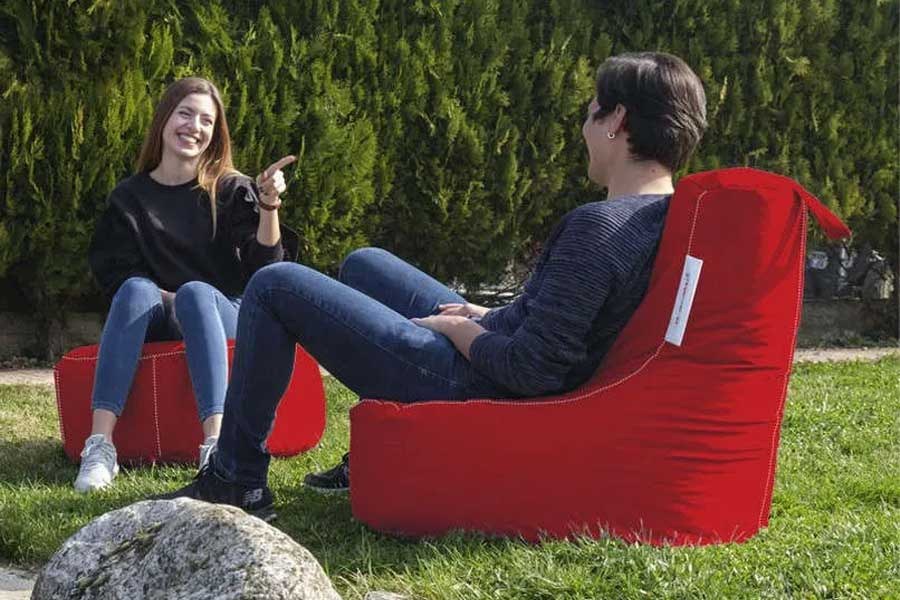
The outdoor poufs are an excellent choice for adding comfort and style to your outdoor environment. Ideal for gardens, terraces, or balconies, poufs combine practicality with modern aesthetics and serve as an easy and versatile seating or decorative solution. If you are considering adding a pouf to your outdoor space, follow the guide below to choose the ideal one.
1. Defining Needs and Purpose of Use
Before purchasing, consider the following:
- Installation Space:
- Where will you place it? In the garden, on the terrace, or by the pool? The location will influence your choices regarding materials and the pouf's functionality.
- Purpose of Use:
- Will it be used mainly for seating or as a decorative piece? For daily use, you might want more comfortable and durable poufs.
- Number of People:
- If it's for personal use, a small pouf is enough. For large gatherings, you might want to add more or larger poufs.
- Comfort and Support:
- If you plan to use it for prolonged sitting, ensure it provides enough support and is comfortable.
2. Choosing Construction Materials
The pouf's construction material is important for durability, aesthetics, and maintenance.
Cover Materials
Waterproof Materials (Polyester Fabric, Nylon)
- Advantages: Weather-resistant, easy to clean, and store. Ideal for outdoor spaces with intense exposure to sun or rain.
- Suitable for: Gardens, terraces, balconies, and coastal areas.
Fabrics with Sun Protection (UV Protection)
- Advantages: Protect against excessive solar radiation and do not fade easily.
- Suitable for: Constant outdoor exposure to the sun.
Rattan or Wicker
- Advantages: Ideal for modern or natural styles, with a more "tropical" feel. Durable, but require protection from extreme weather conditions.
- Suitable for: Terraces, pools, or traditional gardens.
Synthetic Leather
- Advantages: Pleasant to the touch, easy to clean, and elegant.
- Suitable for: Modern spaces and high-quality seating.
Filling Materials
Polyurethane Foam
- Advantages: Provides a good level of comfort and support. Ideal for supporting the body during sitting.
- Suitable for: Daily use and long-duration seating.
Polyester Beads (Bean Bag)
- Advantages: Extremely comfortable and elastic, adapts to the body, offering a more "relaxed" feel. Ideal for lounging.
- Suitable for: Relaxing or casual moments in the garden or on the terrace.
3. Style and Decoration
Poufs are excellent decorative items that add character to your outdoor space. Consider your environment's style before choosing the right one.
Modern Style
- Description: Poufs in modern colors and patterns, clean lines, and materials like faux leather or rattan.
- Ideal for: Modern and minimalistic spaces.
Natural / Tropical Style
- Description: Use poufs made of natural materials, such as rattan or linen fabrics in earthy shades.
- Ideal for: Gardens, terraces, or outdoor areas with a natural feel.
Boho / Vintage Style
- Description: Use colorful or patterned poufs, made of cotton fabrics or with macramé-style designs.
- Ideal for: Spaces with a relaxed and pleasant atmosphere.
Classic Style
- Description: Great for traditional decorations with fabrics and natural materials like cotton and linen.
- Ideal for: Classic gardens or terraces.
4. Adjustable or Static Poufs
Choose according to your usage:
- Adjustable Poufs: Specifically designed to change shape or height according to your needs, ideal for lounging.
- Static Poufs: Suitable for firm seating or decoration. Durable and more stable.
5. Size and Shape
The size of the pouf depends on the available space and its use:
- Small Poufs: Ideal for limited spaces, lightweight, and suitable for one person.
- Large Poufs: Ideal for more people.
- Rectangular or Round Shapes: Round poufs usually offer a more relaxed and friendly feel, while rectangular poufs have more structural style.
The information below is required for social login
Sign In
Create New Account