


Living Room Furniture Shopping Guide
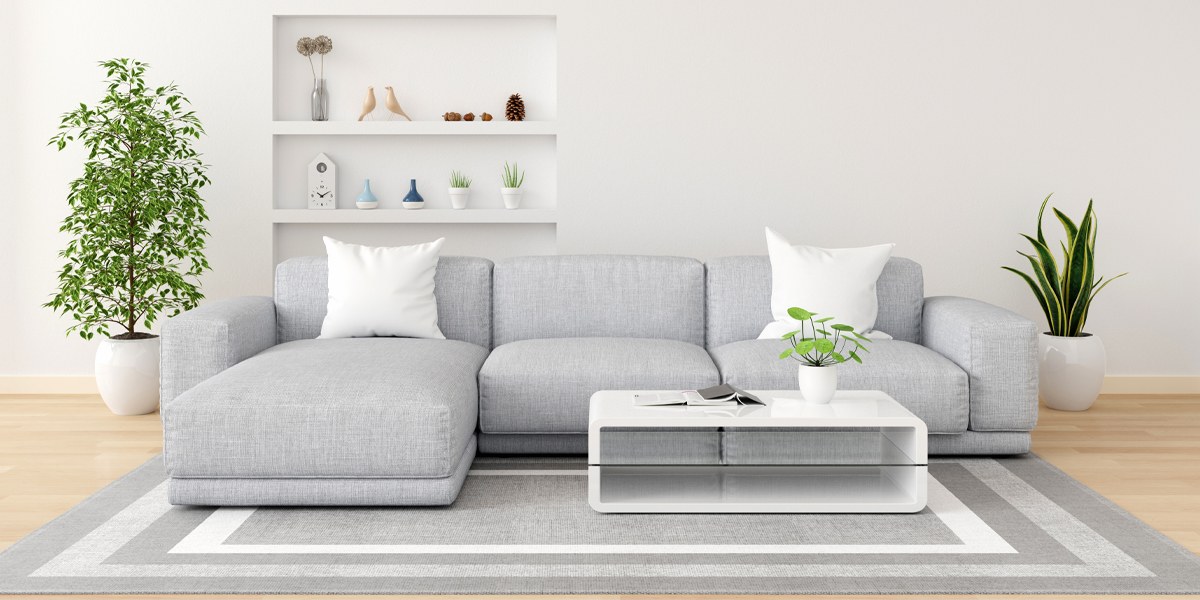
The living room area is the heart of the home and the spot where we spend a significant amount of our day. The living room is the space where we relax while enjoying a movie or a book, the space where we welcome our guests, and the space that should exude a familiar and warm atmosphere. Therefore, it is important to proceed with the purchase of new living room furniture after first considering and calculating some basic parameters, as the choice of suitable furniture can affect the comfort, style, and functionality of your living room. This detailed buying guide will help you make the wisest purchases for furnishing your living room.
Step 1: Measure the Living Room Space
Before you start looking for the ideal furniture for your living room, it is important to measure the available space. This will help you find furniture that fits correctly and will be neither too large nor too small for your living room.
Measuring Space Dimensions:
Start by accurately measuring your space. The room's dimensions will determine the size and type of furniture you can choose. To measure the space easily and correctly, follow these steps:
1. Use a measuring tape to measure the length, width, and height of the room.
2. Note the positions of windows, doors, radiators, and other fixed elements of the space that affect furniture placement.
3. If the space has architectural features, such as arches or dividers, measure those as well. Analyze the space.
Since you now know the exact dimensions of the space, you must consider the available area for furniture and answer the following questions:
1. How much space will the sofa occupy? For example, a large corner sofa might be ideal for a large space, but it might overfill a smaller one.
2. Where will the TV and entertainment systems be placed? Think about where you will run the cables and if there are enough power outlets at that point.
3. What are the traffic flow paths? You must ensure that movement within the living room will not be obstructed. There must be enough space for comfortable passage for both you and your guests.
Step 2: Determine Your Needs:
The function of the living room significantly influences furniture choices and space configuration. Choose furniture that meets your needs and your family's requirements, as the number of people living in the home plays a major role in furniture selection:
- Families with children: If there are children, you should choose furniture made of durable materials, which will have safe, rounded corners and be easy to clean.
- If you live alone or with your partner: In this case, you can choose more elegant or luxury furniture, as you won't worry as much about wear and tear from daily use.
- If you have pets: Prefer fabrics that do not trap hair or materials that are easy to clean. Avoid leather or soft wood furniture if there is a chance pets might cause damage with scratches from their claws.
Furthermore, you should think about whether the living room will be used for various activities, such as family gatherings, movie screenings, or even games, as the furniture must respond to these needs. For example, you need a suitable TV stand to house your device, as well as storage space for electronic systems. Also, if you are one of those who love social nights and want to frequently invite friends over for chats and board games, then you need extra armchairs, stools, or a larger sofa. Finally, you should calculate how much storage space the rest of the house provides, as if it's not enough, you should choose ergonomic living room furniture with storage space.
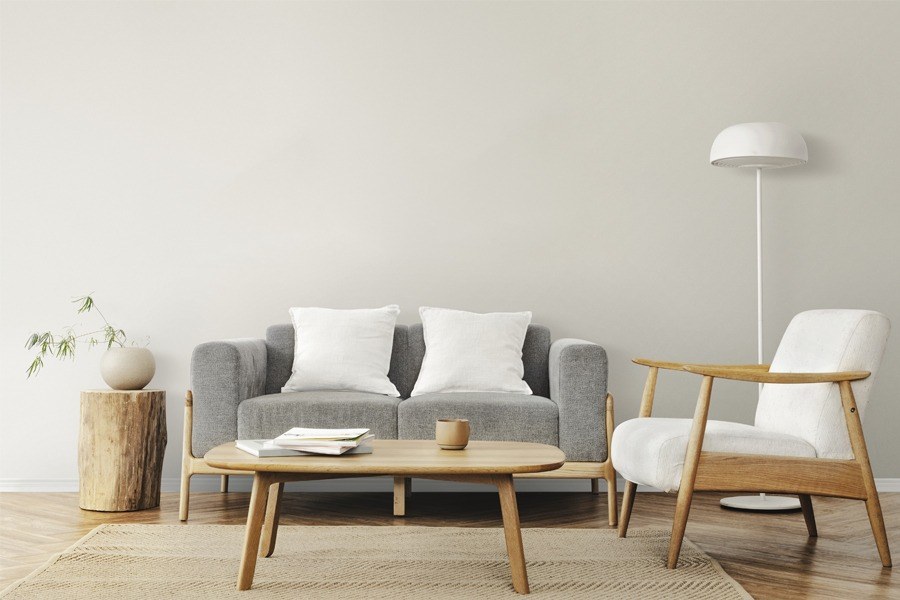
Step 3: Choosing Furniture:
Sofa - Armchairs:
The sofa and armchairs are the most fundamental pieces of living room furniture, so before choosing them, you should consider the following parameters:
1. Sofa Size:
The size of the sofa must match the dimensions of your living room, as it should not overwhelm the space but also not leave large empty areas or be asymmetrically placed. In more detail:
- Small living room: If the living room is small, prefer a two-seater sofa with an armchair or a small corner sofa, which will offer enough seating without overfilling the room.
- Medium to large living room: For larger spaces, you can choose a three-seater sofa and one or two armchairs or a large corner sofa. A corner sofa offers extra seating and can define the layout of the living room.
- Large living room: If you have a very large living room, consider the option of a sofa set (e.g., a three-seater and a two-seater sofa) combined with one or two armchairs, or choose a "U" shaped corner sofa configuration, which offers comfort and accommodates many guests, creating a warmer aura in the space.
2. Sofa & Armchair Comfort and Ergonomics:
Comfort is decisive when choosing a sofa or armchair, as these are pieces of furniture used daily and affect moments of relaxation as well as guest hospitality. So, when choosing your sofa and armchairs, focus on seat firmness; a piece with a soft seat offers greater relaxation when lying down but may suffer from "sinking" over time. On the other hand, a sofa with a firmer seat provides better support and is more durable over time, making it recommended for daily use and for people who prefer ergonomic support. Additionally, you can choose between sofas with reclining backs or headrests for even greater comfort. At designdrops you will also find armchairs with an integrated footrest, which extends at the touch of a button thanks to an ergonomic mechanism, as well as armchairs with a massage system.
3. Sofa and Armchair Construction Materials:
The materials of the sofa and armchairs determine the durability, comfort, and general appearance of the piece. There are two main points to consider: the frame material and the upholstery material.
A. Sofa Frame:
The frame is the foundation of a sofa's durability:
- Wooden frame: Sofas and armchairs with a solid wood frame (e.g., beech or oak) are durable and provide long-term support. Sofas with a chipboard or MDF frame are not as durable but are quite more economical.
- Metal frame: You might find sofas and armchairs with metal elements in the frame, especially in more modern or industrial styles. They are extremely durable and offer a more modern aesthetic to the space.
B. Seat Upholstery Material:
The upholstery material affects the feel, care, and durability of the seat, so its choice is very important:
- Fabric: Fabric seats offer comfort and are available in a variety of colors and textures. Cotton and linen are cool and natural, while synthetics, also known as stain-resistant, are more resistant to stains and wear. If you have children or pets, prefer synthetic fabrics with stain-resistant treatment or removable covers for easy cleaning.
- Leather: Leather adds a sense of luxury to the furniture and is durable against wear, especially genuine leather. However, leather requires special care and can wear over time, especially if exposed to sun or moisture. Also, for some, it may be less comfortable due to its texture and non-breathable composition.
- Synthetic leather: This is a more economical choice than real leather, with a similar appearance but less durability over time.
- Velvet: This has been a favorite choice for sofas and armchairs in recent years and seems to be a trend that is here to stay. Velvet is usually synthetic, which allows for a huge range of colors and offers a unique velvety and almost addictive texture. The disadvantages of velvet are that it can wear if cleaned incorrectly, and it is a warmer fabric, which for some is less appealing during the summer months.
4. Style and Aesthetics:
The sofa must match the style of the rest of your living room and reflect your personality. There are many stylistic orientations you can follow:
- A. Classic Style: Sofas and armchairs in classic style are characterized by intricate details, carved wood, and rich fabrics in warmer shades. They are usually used in more formal living rooms or homes with traditional decor.
- B. Modern and Minimalist Style: Modern sofas have simple lines and clean forms. Materials are often leather or fabrics in neutral tones, and the aesthetic focuses on simplicity and ergonomic design.
- C. Industrial Style: If you are a fan of industrial aesthetics, choose sofas with metal elements and stricter lines.
- D. Rustic and Country Style: In this case, choose furniture dominated by solid wood in natural shades or brighter colors. Thanks to the warmth and natural beauty of the wood, a uniquely welcoming atmosphere is created.
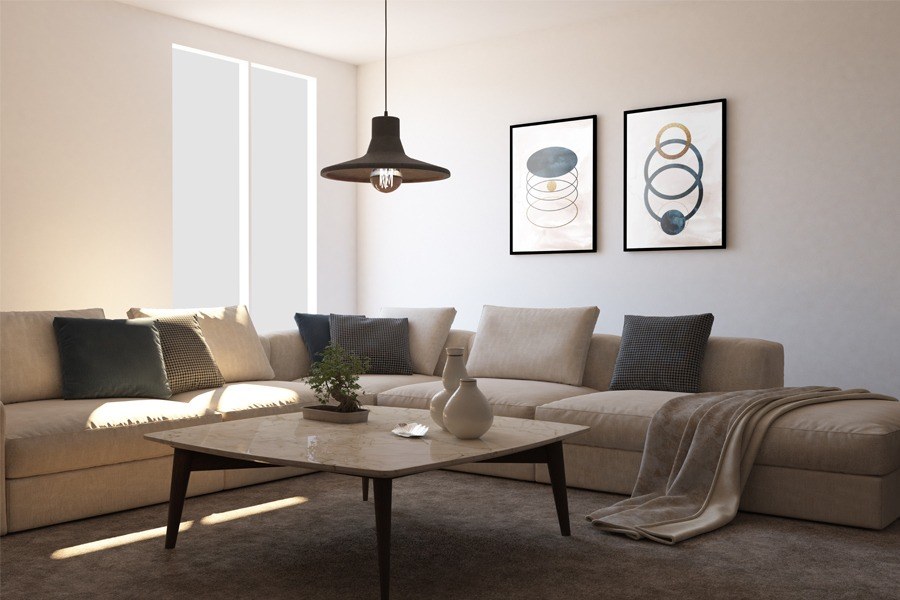
Coffee Table:
The coffee table is not just a small and simple piece of the living room, but is just as important as the sofa. It complements the overall aesthetic of the space and plays a decisive role in the living room's functionality. To choose the most suitable one for your space, consider the following tips:
1. Choose the Table Size and Shape:
A. Table Size: The size of the table must be proportional to your living room and sofas, so that it is practical and harmonious in the space.
- Height: The ideal height for a table is approximately equal to the sofa's seat height or slightly lower. It usually ranges from 40-50 centimeters. A table that is too high or too low can make its use uncomfortable.
- Length and width: The coffee table should cover about 2/3 of the sofa's length to maintain proportions and flow in the space, as well as to have easy access to what you will place on it. Ensure there is enough space around the table for comfortable movement (at least 45 centimeters distance from the sofa).
B. Table Shape: The shape of the table depends on the living room layout and your preference:
- Rectangular table: This is the most common and practical shape, ideal for long or spacious living rooms. It provides enough space for objects and easily maintains harmony with the sofa.
- Square table: Suitable for smaller rooms or living rooms with an L-shaped layout. It is more modern and fits well with corner sofas.
- Round or oval table: Ideal for smaller spaces or living rooms with many curved lines. Round tables create a "softer" flow in the space and are safer for families with children as they have no sharp corners.
2. Table Construction Materials:
The materials you choose for the coffee table affect both appearance and functionality as well as durability, so you should consider them very carefully. The most common choices are:
- Wood: Wood is the most popular choice for coffee tables, offering a classic aesthetic with a warm texture. You can choose a table from solid wood, as it is more durable and impressive, but at the same time, it is also more expensive. Alternatively, you can choose a table from chipboard, melamine, MDF, and other engineered woods, which are much more economical, available in a variety of colors, sizes, and designs, and can harmonize with any modern living room.
- Glass: Glass tables give a sense of lightness and elegance to the space, especially if they are made of clear glass, which has the ability to create the feeling of a larger space. They fit easily into modern environments but are more sensitive to impacts and may need frequent cleaning to stay free from fingerprints and dust.
- Metal: Metal adds a contemporary industrial feel. It can be used as a base or in combination with other materials like wood or glass. There are metal tables made of stainless steel and iron, which are ideal for modern or industrial spaces; these materials are durable and easy to maintain. Meanwhile, brass or bronze coffee tables give a more retro or luxurious feel and can add shiny metallic elements to the living room decor.
- Marble: Tables with a marble surface add luxury and elegance to the living room area. Marble is durable and particularly impressive but is sensitive to stains (e.g., from wine or coffee) and needs regular maintenance.
3. Table Functionality and Storage Spaces:
The functionality of the coffee table depends on how you plan to use it. Some tables offer more than just a surface for objects; there are tables with practical storage spaces that offer hidden room for items like remote controls, magazines, etc. Don't forget to equip your space with side tables or nesting tables, as they are small and flexible, offering space to display your favorite decorations as well as the ability to move them easily at any time to where they are needed.
TV Stand:
A TV stand or unit cannot be missing from a modern space, as it offers the necessary storage for electronic devices and serves as the base for the TV or home cinema. But how can you choose the ideal TV furniture for your living room?
1. Furniture Size Relative to the TV:
Initially, you must choose a TV stand that has the right proportions relative to the TV. A very small piece of furniture may not support the TV well and the aesthetic result may look asymmetrical, while a very large piece can make the space look overcrowded. Therefore, choose a piece that is at least 10-15 centimeters wider than the TV for sufficient stability and balance in the space. Regarding height, according to experts, the ideal position for the TV is at eye level when sitting on the sofa. To achieve this, the base of the TV should be about 90-110 centimeters from the floor, depending on your seat height. The furniture must fit the living room size. If you have a small space, a slim and minimal piece will save space and make the room look more spacious. If you have a larger living room, you can choose a more impressive unit or larger furniture with more storage capabilities.
2. Functionality and Storage Spaces:
The furniture's functionality is one of the most important factors, as it must provide sufficient storage for multimedia and other accessories. You can choose TV stands with open shelves that offer easy access to devices and showcase your favorite decorations. Alternatively, you can furnish your living room with a unit that has cabinets, providing better organization and storage and a cleaner look for the living room.
3. Construction Materials:
It is important to choose a TV stand or unit from materials that will match your space's aesthetic and serve your daily needs. Choose between:
- Wood: Wood is the most classic choice and offers a warm, natural feel to the space. If it is solid wood, then we are talking about durable furniture with a robust construction. Nevertheless, it can be more expensive, heavier, and not easily moved, while a melamine or chipboard piece offers the warm look of wood while combining economy and ergonomics.
- Glass & Metal: These are pieces of furniture with a modern aesthetic, distinguished by the stability of the metal frame, which, combined with the transparency of the glass, results in a harmonious and highly elegant aesthetic effect. A glass TV stand can make your space more refined with minimal influences.
- Metal & Wood: Metal and wood TV stands are more durable and represent a cost-effective choice. They are ideal for modern spaces with industrial influences as well as any contemporary living room with character and style.
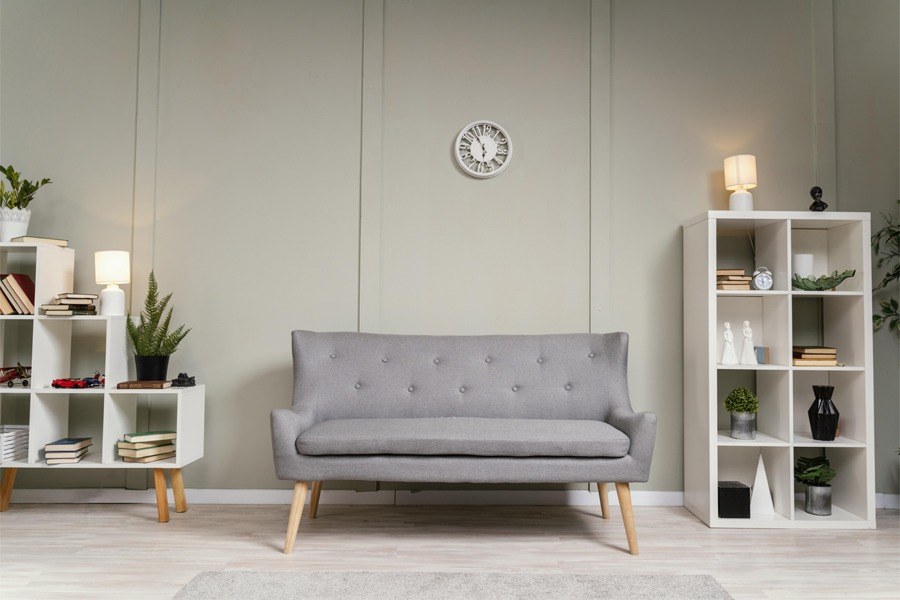
Stools & Poufs:
Stools and poufs are excellent furniture for any living room, offering extra seating, storage space, and a decorative role without taking up much space. They are flexible and can be used in small and large living rooms, easily moved, and offer great ergonomics to the space.
1. Functionality and Uses:
Stools and poufs are ideal for additional seating when you have visitors. They can be placed around the sofa or coffee table and serve as flexible seating solutions. Additionally, they can be used as footrests to stretch your legs, offering more comfort while watching TV or reading your favorite book. Finally, there are stools and poufs with hidden storage where you can keep smaller items like toys, magazines, or linens and keep your living room perfectly organized.
2. Dimensions and Stool & Pouf Construction Materials:
Stools usually range from 40-80 centimeters in height, so you can choose the one that matches the height of other furniture, specifically the sofa and armchair. On the other hand, poufs are available in various shapes like circular, square, or rectangular. The shape you choose depends on the available space and the aesthetic you want to achieve. Regarding materials, stools usually follow the philosophy of other seating in the space, meaning wooden or metal frames dominate in combination with comfortable seats upholstered in fabric, velvet, or leather. Poufs usually feature fabric or leather upholstery and fluffy filling made of synthetic materials to offer maximum comfort and a cozier aura to your space.
Display Cabinets - Bookcases - Chests - Shelving Units:
The addition and selection of display cabinets, bookcases, chests, and shelving units in your living room is critical for both decoration and functionality. These pieces of furniture can add storage space, highlight decorative elements, and offer an elegant feel to the space. Below is a detailed analysis of the factors to consider when choosing them:
1. Functionality and Uses:
A. Display Cabinets: Display cabinets are ideal for exhibiting your favorite decorative objects and for storing your fine glassware and dinnerware sets.
B. Bookcases: Equipping your living room with a modern bookcase automatically provides ample storage for books and boxes, while at the same time allowing you to place favorite tabletop decorations in prominent spots. Finally, a stylish and tall bookcase can serve as a room divider to create a new layout in your space.
C. Chests: Chests are ideal for storing various items like toys, blankets, or seasonal objects. They use available space efficiently. Additionally, at designdrops you will find chests with special designs that can also be used as seating.
D. Shelving Units: Floor shelving units offer open storage and are ideal for placing books, plants, or decorative items. They can also be used as room dividers in open spaces, providing visual division without closing off the room. If you want storage space without limiting the square footage of your room, then choose wall-mounted shelving units, which are more flexible and elegant.
2. Dimensions and Space:
A. Furniture Dimensions:
- It is important to choose furniture that fits your available space. Measure the wall or the area where you will place the furniture to ensure it will fit properly.
- For display cabinets and bookcases, height is also important. Ensure that the piece is not excessively tall so as not to close off the space, especially if you have a low ceiling.
- Maintain balance between pieces of furniture. A large piece can look overwhelming in a small space. Prefer slimmer and taller options for limited areas.
- Display cabinets and bookcases in a classic style feature intricate designs and details, ideal for traditional living rooms.
3. Materials and Style:
All these accent pieces for your living room should ideally be harmonized in terms of construction materials and style with the rest of your living room furniture. The furniture must match the rest of the space aesthetically. With the right choices, you can create a functional and tasteful space that reflects your personality.
Choosing the right furniture for the living room is a significant process that affects our daily life, the functionality of the space, and its overall aesthetic. Every piece of furniture in the room, from the sofa and the coffee table to the display cabinets and bookcases, has its own place and significance, contributing to the creation of a warm and welcoming environment. Investing in quality furniture that matches your aesthetic and satisfies your needs will offer you not only comfort but also durability over time. So, browse the exquisite collection of designdrops and discover a vast range of living room furniture, distinguished by refined aesthetics and unbeatable prices! Create the living room of your dreams with designdrops living room furniture!
The information below is required for social login
Sign In
Create New Account