


Dining Room Furniture Buying Guide
The dining room is one of the most important areas of the home, where the family gathers and guests are hosted. Choosing the right furniture requires attention to successfully combine aesthetics, functionality, and durability. Below is a complete buying guide for essential dining room furniture.
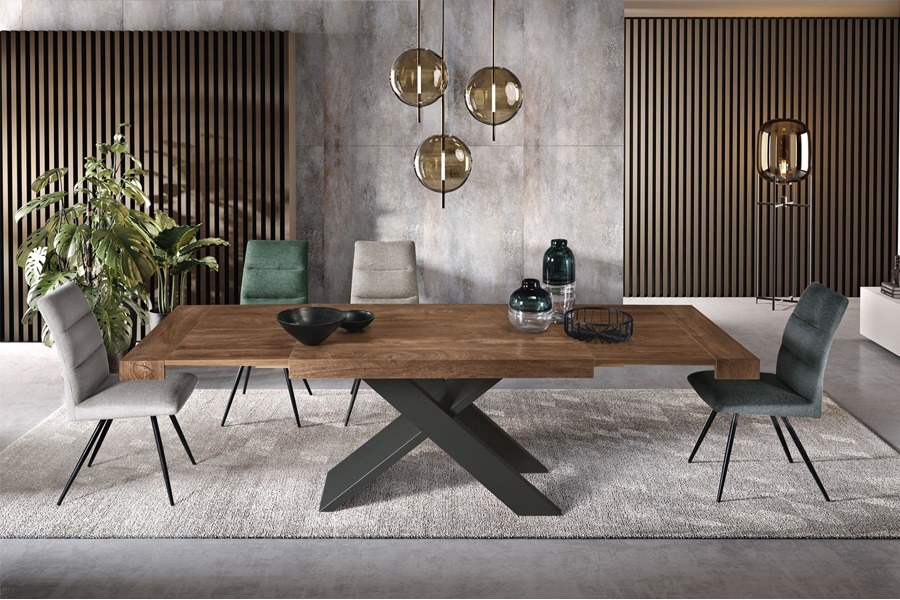
Dining Tables
The dining table is the "heart" of the space where the family gathers, meals take place, and social meetings happen. Choosing the right table must combine aesthetics, functionality, and durability. Here is a detailed guide to making the ideal choice.
1. Size and Dimensions
Space Assessment
- Measure the Space: Leave at least 90 cm of clearance around the table for comfortable movement.
- For small spaces: Round or square tables are more functional.
- For large spaces: Rectangular or oval tables fill the space better.
Seating Capacity
Square and Round:
- Diameter 100-120 cm: Accommodates 4 people.
- Diameter 150 cm: Accommodates 6 people.
Rectangular and Oval:
- Length 180 cm: Accommodates 6-8 people.
- Length 240 cm: Accommodates 8-10 people.
If you host guests frequently, consider a table that can be extended.
2. Table Shape
Round Tables
- They are ideal for small spaces and casual occasions, and they promote conversation since all seated guests have direct eye contact. Furthermore, round tables with a central pedestal base offer more legroom comfort.
Square Tables
- They offer balance and symmetry to the space and fit ideally in smaller rooms. They are suitable for four-member families or bachelor homes.
Rectangular Tables
- They are suitable for large dining rooms and offer space for more guests. Prefer tables with a width close to 90 cm for more comfortable use.
Oval Tables
- Oval tables are a more elegant alternative to rectangular tables. They feature softer lines, ideal for spaces with curved decorative details.
3. Construction Materials
Wood
- Provides a warm and timeless aesthetic, as well as durability over time. Hardwoods are luxurious and durable but more expensive, while softwoods are more affordable but less durable. Periodic polishing is required to maintain the look of wooden tables.
Glass
- Offers a modern aesthetic and is ideal for small spaces as it adds depth. Clear glass creates a sense of spaciousness and brilliance, while colored glass is characterized by a modern and impressive appearance. Also, glass is resistant to stains but can be scratched more easily.
Metal
- Provides durability over time and exudes an industrial aesthetic. It is ideal for modern and industrial spaces. It is often combined with wood or glass for a more elegant result.
Marble
- Tables with a marble surface are luxurious and durable. Marble is a high-quality and heavy material and, in some cases, may require special maintenance for protection against stains.
Ceramic or Lacquered Surface
- This is a durable material, especially against scratches and heat. It is easy to maintain and ideal for daily use.
4. Style and Aesthetics
Classic
- Usually, these are tables made of dark wood with intricate carvings. They suit traditional or rustic decors and add prestige and finesse to the space.
Modern
- Most of the time, a modern table is characterized by simple lines and is made of materials such as glass, metal, or light-colored wood. They are ideal for minimal and contemporary dining rooms.
Industrial
- Industrial tables are a combination of metal and raw wood. They add character and dynamic aesthetics to the dining room, impressing visitors.
Scandinavian
- Scandinavian-style tables are usually in white or pastel shades and feature clean lines. They emphasize functionality and simplicity, making them an ideal choice for modern dining rooms.
5. Extendable Tables
- Extendable tables with sliding leaves or removable panels are an extremely practical choice. They save space on a daily basis and provide extra seating for guests when needed. You should ensure that the mechanism is easy to use and durable.
6. Useful Information
- For daily use, choose durable materials like solid wood or ceramic surfaces and consider their size to comfortably fit all family members.
- For formal gatherings, marble or specially designed tables add luxury to any space. Extendable tables are practical for larger guest lists.
- Economical and stylish choices are tables made of melamine or MDF with a wood finish.
- Mid-range options include tables made of composite materials (wood-metal or glass-metal).
- Luxury options include tables made of solid wood, marble, or other similar materials.
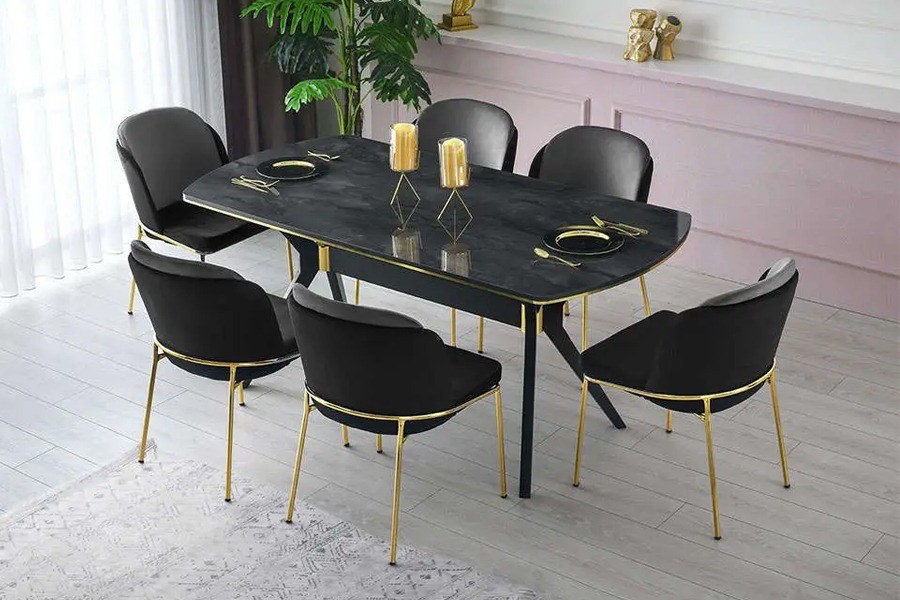
Dining Chairs
The dining chairs are just as important as the table, as they offer comfort and complete the aesthetic of your dining room. By choosing the right chairs, you can upgrade your space and create an environment that combines style and functionality. Here is a detailed guide to making the best choice.
1. Size and Dimensions
Chair Height
- The ideal seat height should be about 25-30 cm lower than the table surface so that there is enough legroom. For standard tables with a height of 75 cm, the seat should have a height of 45-50 cm.
Seat Width and Depth
- The width of each chair should usually range from 45 to 55 cm, depending on the available space. The ideal seat depth ranges from 40 to 50 cm for maximum comfort.
Distance Between Chairs
- Leave at least 15 cm between chairs to provide sufficient space for seated guests.
2. Comfort and Ergonomics
Back Support
- Choose chairs with an anatomical back to provide proper support for the lower back. High-back chairs are suitable for more formal dining rooms, while low backs fit modern spaces.
Seat
- Chairs with a seat cushion offer greater comfort, especially for long-term use. Consider materials like fabric, leather, or eco-leather for easy maintenance.
3. Construction Materials
Wood
- This is a classic material that suits traditional or rustic decors. Hardwoods (such as oak or walnut) are more durable, while softwoods (such as pine) are more economical.
Metal
- Provides durability and an industrial aesthetic. It is often combined with other materials, such as wood or leather, for a more modern result.
Plastic or Polypropylene
- The chairs made of these materials are usually lighter and more economical, and you will find them available in a variety of colors and designs. Additionally, they are suitable for casual or minimal decoration.
Fabric and Leather Chairs
- Fabrics like linen or velvet add luxury and comfort. Leather and eco-leather are easier to clean and add elegance, but require maintenance.
4. Style and Design
Classic
- Chairs with carved details and curved designs add a classic style to your dining room. They are often combined with dark wood tables.
Modern
- Modern aesthetic chairs feature simple lines and a sleek, minimal aesthetic. They are made of materials such as metal, plastic, or light-colored wood.
Industrial
- Industrial style consists of a combination of metal bases with raw wooden or leather surfaces. It is ideal for lofts and industrial spaces.
Scandinavian
- Chairs in Scandinavian design are characterized by a clean aesthetic with an emphasis on simplicity. They are mainly available in white or pastel shades, often combined with natural wood.
5. Pairing with the Table
Contrast or Match:
- For a more striking look, choose chairs that create a contrast with the table (e.g., metal chairs with a wooden table). If you want to achieve harmony, prefer chairs that match the same material and color as the table.
6. Budget and Options
Economical Options
- Chairs made of plastic or MDF are ideal for smaller budgets.
Mid-Range Cost
- Chairs with wooden or metal construction and fabric upholstery.
Luxury Options
- Chairs made of hardwood or leather with a special design.
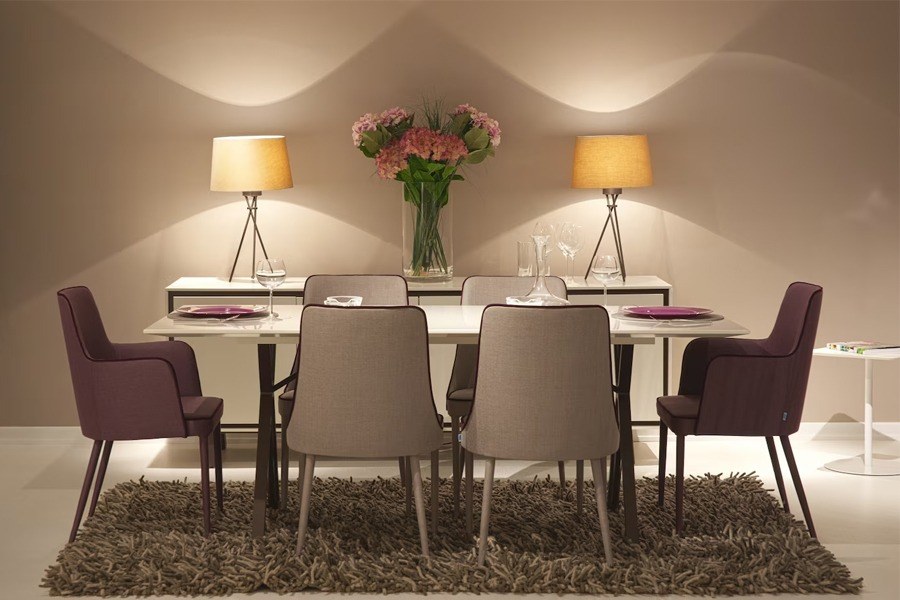
Dining Armchairs
Dining armchairs add a touch of luxury and comfort to your space. With their armrests and ergonomic design, they can aesthetically and functionally upgrade your dining room. They are ideal for both daily use and more formal occasions.
1. Size and Dimensions
Height and Width
- The seat height should be 25-30 cm lower than the table surface for comfortable use. The total width of the armchair should range from 55 to 65 cm, taking into account the available space around the table.
Armrest Height
- Ensure that the armrests fit under the table surface (approximately 65-70 cm height from the floor).
Space and Distance
- Leave at least 20-25 cm of distance between armchairs so there is sufficient room for movement.
2. Construction Materials
Wood
- Wooden armchairs are timeless and suit classic or rustic decors. Choose hardwoods (e.g., oak, walnut) for greater durability.
Metal
- Offers durability and an industrial style. It is often combined with cushions or fabrics for greater comfort.
Upholstery
- Armchairs upholstered in fabric or leather provide comfort and luxury. Prefer waterproof and durable fabrics, such as velvet, linen, or eco-leather, for ease of maintenance.
Mixed Materials
- Armchairs that combine wood, metal, and fabrics create a more modern and dynamic style.
3. Comfort and Ergonomics
Backrest
- An anatomical backrest supports the natural curve of the spine. High backrests are ideal for more formal spaces, while low ones offer a modern aesthetic.
Armrests
- Armrests enhance comfort, especially during prolonged use of the armchair. Consider the shape and padding of the armrests for maximum ergonomics.
Cushions
- Choose cushions with removable covers for easier cleaning. Cushions with dense foam padding or memory foam increase the sense of comfort.
4. Style and Design
Classic Style
- Armchairs of classic aesthetics feature intricate details and curved lines. They are paired with dark wood tables or vintage designs.
Modern Style
- Modern armchairs feature simple lines and minimal design. They are often made of metal, fabric, or leather.
Industrial Style
- Industrial-style armchairs feature metal details and raw wood elements. They suit industrial or loft decors.
Scandinavian Style
- These are armchairs with clean lines, usually made of natural wood and available in pastel colors.
5. Integration into the Space
Compatibility with the Table:
- The armchairs must match the height, color, and material of the table. You can combine armchairs with different designs from the rest of the chairs for a more dynamic and personal style.
6. Uses and Durability
Daily Use:
- Choose durable materials, such as wood or metal, and easy-to-clean upholstery.
Formal Gatherings:
- Armchairs with velvet or leather upholstery add luxury and elegance.
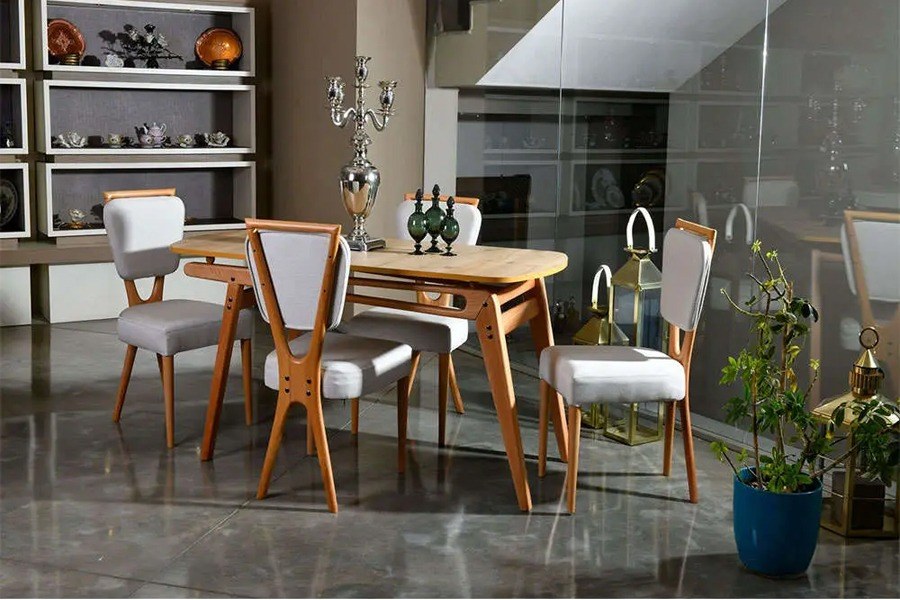
Dining Sets
A dining set is the heart of the home, as it is the gathering point for family and friends. By choosing the right dining set, you can combine aesthetics, functionality, and durability.
1. Size and Dimensions
Space Assessment
- Measure the available space and leave at least 90 cm of clearance around the set for comfortable movement. Be careful not to overcrowd the space, especially in small dining areas.
Number of Seats
- Small Sets (4 Seats): Suitable for apartments and small families.
- Medium Sets (6-8 Seats): Ideal for families and occasional gatherings.
- Large Sets (10+ Seats): Recommended for spacious dining rooms and frequent hosting of guests.
Extendable Sets
- Prefer tables with extendable mechanisms for flexibility in your needs.
2. Construction Materials
Table
- Wood: Wood offers timeless aesthetics and durability.
- Glass: Gives a modern look and is ideal for small spaces, creating a sense of depth.
- Marble: This is a luxurious and durable material, which however requires more maintenance.
- Metal: It is durable and ideal for industrial or modern styles.
Chairs
- Wood: Pairs perfectly with wooden tables and traditional decor.
- Metal: Metal chairs are ideal for modern or industrial ensembles.
- Upholstery: Offers extra comfort, especially if it includes cushions.
3. Style and Aesthetics
Classic Style
- These are dining sets made of dark wood with intricate carvings. It suits spaces with rustic or vintage aesthetics.
Modern Style
- Features minimal lines, bright colors, and materials like glass and metal. It is the right choice for contemporary homes.
Industrial Style
- Usually consists of a combination of metal and raw wood. It is ideal for loft and industrial decoration.
Scandinavian Style
- Dining sets of this style feature simple lines and neutral colors, while often being made of natural wood.
4. Features to Look Out For
Build Quality
- Check the stability of the table and chairs. Prefer durable materials that withstand wear and tear.
Comfort
- Chairs should have an ergonomic design and potentially cushion padding. Pay attention to the height of the table and its compatibility with the chairs.
Colors and Finishes
- Choose neutral colors for timelessness or bolder choices for more intensity.
5. Uses and Functionality
Daily Use
- Choose materials resistant to wear, such as solid wood or ceramic surfaces. Extendable tables are ideal for larger families.
Formal Gatherings
- Sets with armchairs or chairs with velvet upholstery add luxury. Prefer materials like marble or carved wood for an impressive aesthetic result.
6. Price Range and Options
Budget Sets
- Tables made of MDF or melamine with chairs made of plastic or faux leather. Ideal for first homes or casual spaces.
Mid-Range Category
- Sets made of a combination of materials (e.g., wood-metal or wood-upholstery). Characterized by a balance between quality and price.
Luxury Sets
- Options such as solid wood, marble surfaces, or leather on the chairs will add luxury to your dining room. Such sets usually feature upholstery that provides comfort, prestige, and timelessness.
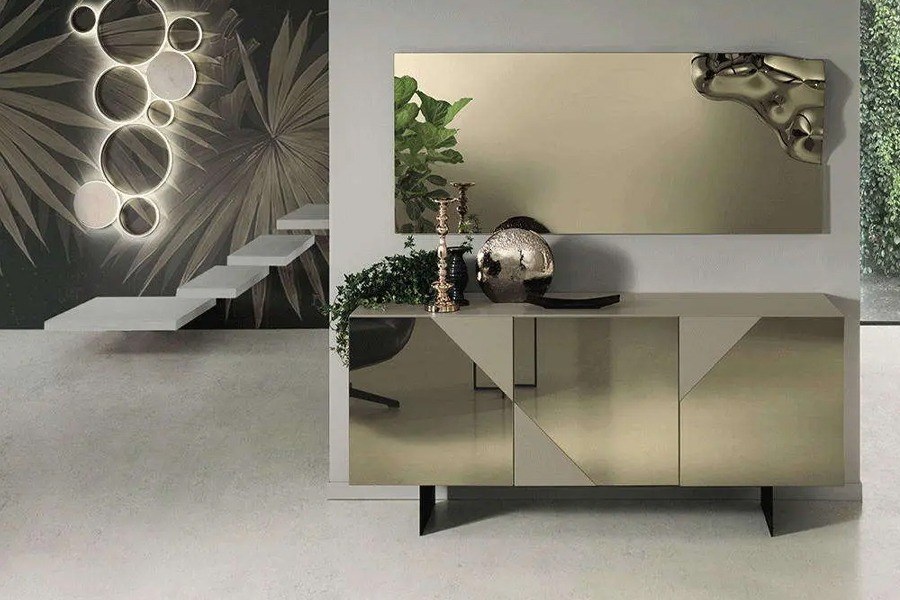
Buffets - Consoles
Buffets and consoles are multifunctional furniture pieces that add style and storage space to your dining room or living room. From storing dishes to decorating the space, these furniture pieces can enhance the functionality and aesthetics of your home. Below is a detailed guide to choosing the ideal buffet or console.
1. Size and Dimensions
Space Assessment
- Measure the available space and leave at least 60-90 cm of free space around the furniture for easy access. Buffets are generally bulkier than consoles, so make sure they fit in your space.
Height and Depth
- Buffets: Usually have a height of 75-90 cm and a depth of 40-60 cm, ideal for storing large items.
- Consoles: These are slimmer with a depth of 30-40 cm, suitable for narrower spaces or hallways.
2. Use and Functionality
Storage
- Buffets: Offer ample storage space for plates, glasses, dinnerware, and tablecloths.
- Consoles: Are ideal for smaller items such as keys, decorative pieces, and magazines.
Decoration and Surface
- The surface can be used to place decorative elements such as mirrors, lamps, or picture frames.
- Consoles can also function as side tables or desks in small spaces.
Multifunctionality
- A buffet can also be used as a serving base during meals or gatherings.
- Consoles can be integrated into multiple spaces, such as hallways, living rooms, or bedrooms.
3. Construction Materials
Wood
- Solid Wood: Durable and timeless, it fits classic or rustic spaces.
- MDF, Melamine Particle Board: Economical and lighter, available in many shades and textures.
Glass
- Ideal for a modern aesthetic, especially when combined with metal or wood. However, it requires more care in maintenance due to its sensitivity to scratches.
Metal
- Fits industrial or minimal styles while offering resistance to wear and ease of maintenance.
Marble or Ceramic
- A luxurious choice that exudes elegance. Keep in mind that it requires special care to avoid stains.
4. Style and Aesthetics
Classic Style
- Buffets and consoles made of dark wood with carvings and intricate details fit traditional dining rooms or even other areas of the house like the living room and hallway.
Modern Style
- Includes furniture with simple lines, neutral or bright colors, and a mix of materials like glass and metal. It is ideal for minimal and contemporary decors.
Rustic Style
- Consists of furniture with natural wood textures and colorings. They complement spaces with a country or vintage aesthetic.
Industrial Style
- This style is based on the combination of metal and raw wood for a dynamic result. It suits loft and industrial spaces.
5. Special Features
Storage Spaces
- Prefer buffets with drawers and cabinets for greater flexibility. Consoles often feature shelves or small storage compartments.
Legs and Support
- Choose stable and durable legs, especially if the furniture is intended for heavy use.
6. Price Range and Options
Economical Options
- Buffets and consoles made of melamine or MDF. Ideal choices for casual decoration or use in rental properties.
Mid-Range Category
- Combination of materials, such as wood-metal or wood-glass. Ideal furniture for quality and long-term use.
Luxury Options
- Include furniture made of solid wood and marble. They add finesse and timelessness to the space.
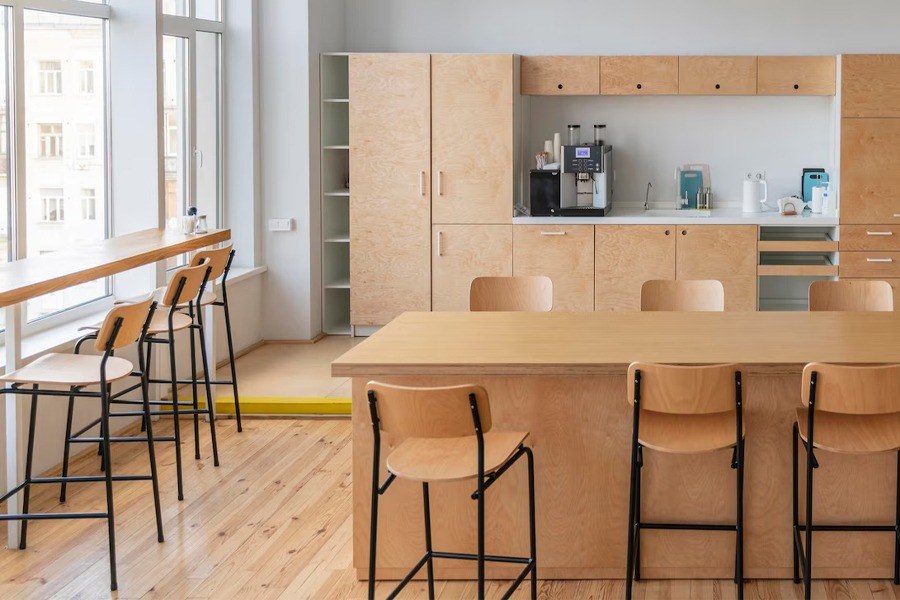
Bar Stools
Bar stools are practical and stylish furniture pieces that complement your kitchen, bar, or counter. In addition to functionality, they add aesthetic value to the space and are available in a variety of designs and materials.
1. Height and Dimensions
Height Determination
- Kitchen Counter (Counter Height): Stool height 60-70 cm, ideal for counters 90 cm high.
- Bar (Bar Height): Stool height 75-85 cm, suitable for bars 105-110 cm high.
- Adjustable Stools: Provide flexibility as they can be adapted to different heights.
Distances
- Leave 20-30 cm of distance between the stool seat and the surface of the counter or bar for more comfort. Maintain a distance of 50-60 cm between stools so there is enough room for movement.
2. Construction Materials
Wood
- Wood in bar stools provides a warm, natural aesthetic and durability. It is ideal for classic, rustic, or Scandinavian spaces.
Metal
- The advantages of metal bar stools are their durability and the industrial aesthetic they exude. They are usually intended for modern or industrial spaces.
Plastic or Polypropylene
- The advantages of bar stools made from these materials are that they are lightweight, as well as easy to move and maintain. They are an excellent choice for minimal or casual spaces.
Upholstery (Fabric, Leather)
- Upholstery on bar stools should provide comfort and elegance. Leather offers a luxurious look, while fabric is more economical. These types of stools will harmonize in spaces emphasizing comfort and luxury.
3. Style and Aesthetics
Classic Style
- This style includes stools made of wood with traditional designs or carvings. These stools are ideal for timeless spaces.
Modern Style
- If you want to achieve a modern decoration, choose stools with clean lines, a metal base, and a minimal aesthetic. Prefer materials like glass or leather.
Industrial Style
- Industrial style is usually based on the combination of metal and wood, with a retro or vintage aesthetic. Such a bar stool fits well in spaces with urban decoration.
Scandinavian Style
- A bar stool with nordic aesthetics is usually made of light-colored wood and features neutral colors and functional lines. It adds a sense of simplicity and cleanliness.
4. Comfort and Functionality
Seat
- Choose a stool with a padded seat for greater comfort, especially if you sit on it for long periods.
- A smart choice is a stool with a contoured seat, as it provides better support.
- Don't forget that a stool should have a convenient footrest to provide the necessary comfort for the legs.
Back and Armrests
- A bar stool with a backrest is ideal for greater support and comfort.
- Backless bar stools are more suitable for small spaces as they are more discreet and lightweight.
- Armrests offer more comfort but require more space.
5. Special Features
Adjustable Height
- Stools with adjustable height offer personalization and are ideal for use at different counters or bars. They often feature a gas lift mechanism for easy adjustment.
Swivel Seat
- The swivel seat facilitates movement and access, especially at bars or gathering areas.
Non-Slip Base
- Ensures stability and protects the floor from scratches.
By following this guide, you will be able to create a dining room that combines aesthetics, practicality, and comfort!
The information below is required for social login
Sign In
Create New Account