


Paintings & Frames Shopping Guide
Paintings and frames (Wall Art) are among the most important elements in home decor, as they provide style, personality, and character. Whether you are decorating a home, office, or commercial space, choosing the right wall art can make all the difference.
This guide will help you select the ideal painting or frame by analyzing the categories, styles, materials, dimensions, and technical options.
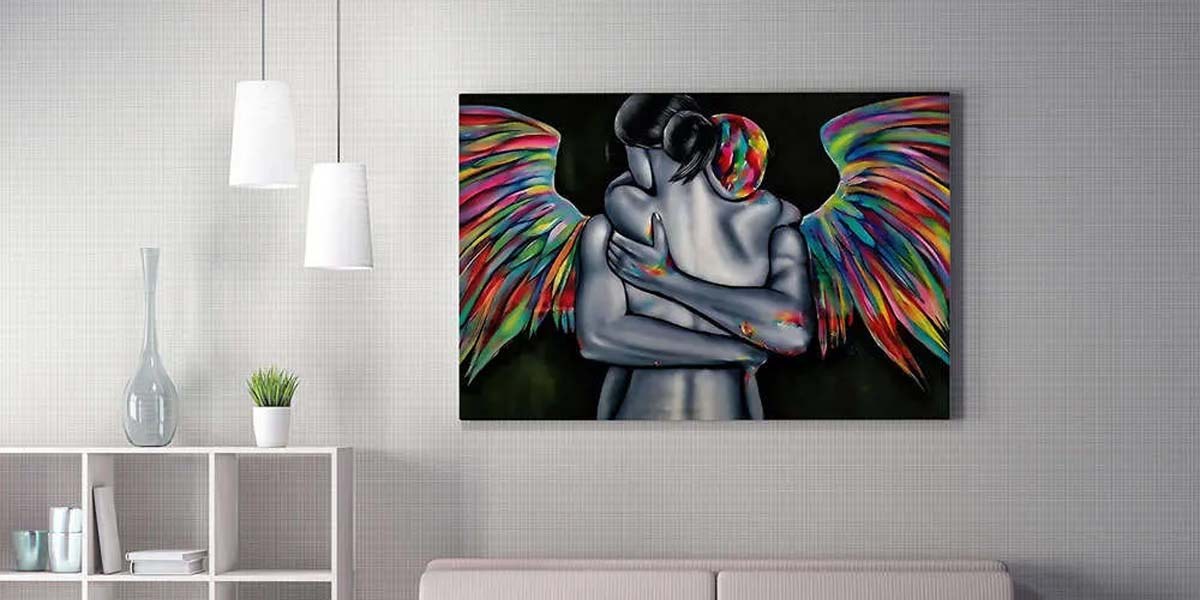
What are the Differences Between Paintings and Frames?
The main difference between a painting (pinakas) and a frame (kadro) concerns their creation method and their use in decoration:
Paintings (Pinakes)
- They are works of art, either hand-painted (with oil, acrylics, watercolor) or printed on canvas.
- They usually do not have a frame (cornice), especially when they are canvas stretched over a wooden stretcher bar.
- They can be single-panel or multi-panel (i.e., split into two or more pieces).
- They give the sense of more complete artwork and are often used as a main decorative element in large spaces.
Frames (Kadro)
- They are frames that contain images or artwork (such as photos, posters, printed drawings).
- They have a frame (cornice) around them (wooden, metal, plastic, or other types).
- They can contain prints (posters), drawings, or photographs and can be easily changed in content.
- They are often used for gallery walls (arrangements of many small frames on one wall).
1. Types of Paintings & Frames (Wall Art)
Before making a purchase, it is important to know the different categories of paintings and frames available on the market.
1.1 Hand-Painted Artworks
Paintings are unique works of art created by hand by artists. There are various types, depending on the technique and material:
- Oil on canvas: Uses oil as the main material, offering depth and durability.
- Acrylics on canvas: More modern and bright works, resistant to light and wear.
- Watercolor: Light and transparent creations, ideal for subtle decoration.
- Ink or charcoal drawings: Monochrome and artistic designs that suit minimal spaces.
1.2 Printed Artworks (Canvas Prints & Poster Prints)
Instead of hand-painting, these artworks are created with high-quality printing on canvas or paper:
- Canvas Prints: Prints on canvas with a wooden frame, giving the feel of a painted artwork.
- Poster Prints: Prints on photographic or matte paper, placed in frames or as posters.
1.3 Framed Mirrors
Mirrors with a decorative frame function both as decor and as a way to visually enlarge the space.
1.4 Multi-panel Art (Split Canvases)
Consist of two or more pieces that form a single work of art. They are modern and ideal for large walls.
1.5 Decorative Frames
Frames are used to enclose photos, posters, or artwork. They come in various materials and styles:
- Wooden frames: Classic, timeless, and warm.
- Metal frames: Modern and minimal.
- Plastic frames: Economical and lightweight.
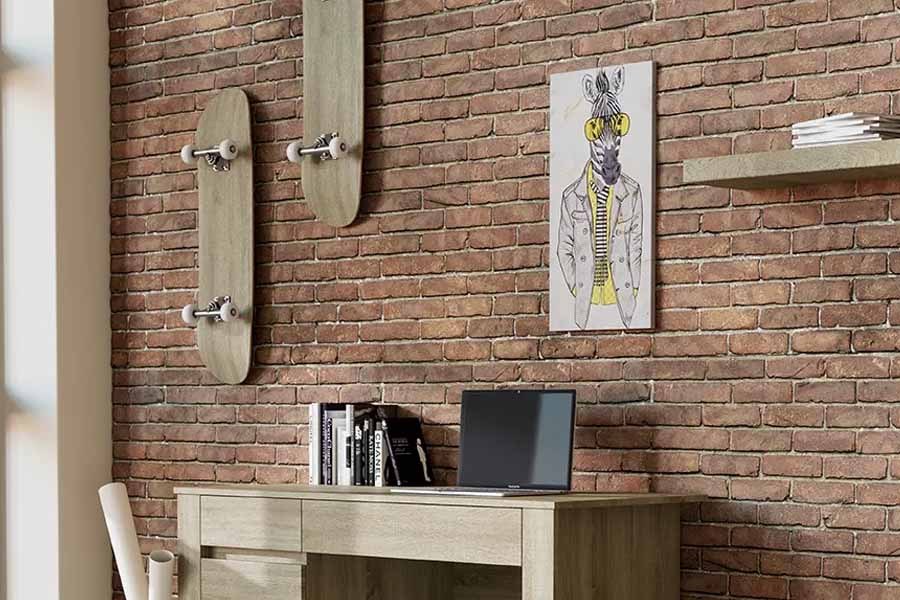
2. Size and Arrangement Selection
The correct arrangement and size of the painting or frame depend on the space where it will be placed.
2.1 Small Paintings & Frames (20x30 cm – 50x70 cm)
- Ideal for small walls, corners, and multi-frame compositions.
- Suitable for bedrooms, offices, and kitchens.
2.2 Medium-Sized Paintings (60x90 cm – 80x120 cm)
- Ideal for placement above sofas, beds, and tables.
- Offer balance to the space without overloading the wall.
2.3 Large Paintings (100x150 cm and above)
- Suitable for large walls and creating impressive decor.
- Ideal for living rooms, entrances, and commercial spaces.
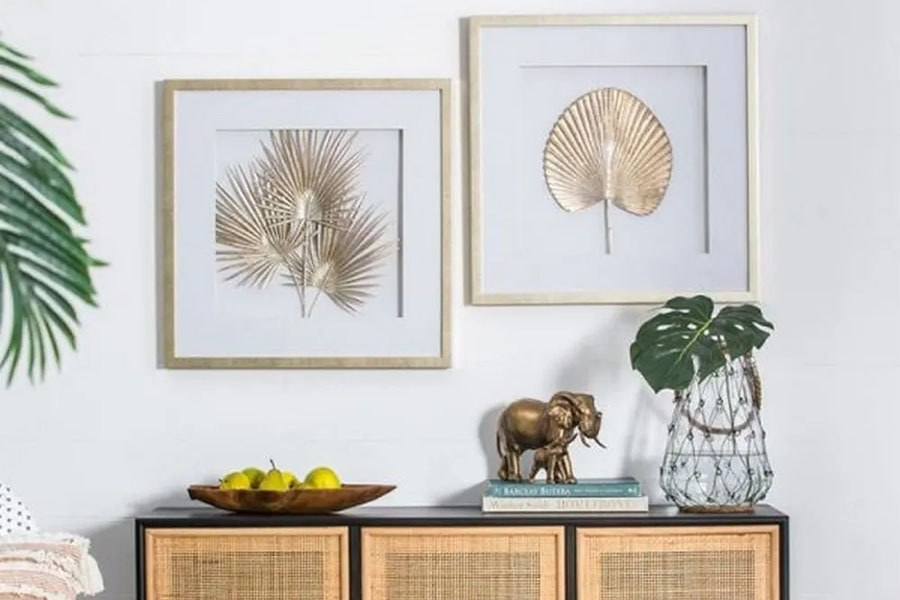
2.4 Gallery Wall (Multi-Frame Arrangement)
Instead of one large painting, you can create a composition of smaller frames, with a symmetrical or asymmetrical arrangement.
3. Style & Decoration
Depending on the style of your space, you can choose the corresponding style of painting or frame:
3.1 Modern & Abstract Art
- Ideal for minimal, contemporary, and industrial decor.
- Combine strong colors or geometric patterns.
3.2 Classical & Realistic Painting
- Suitable for traditional and vintage spaces.
- Works with landscapes, portraits, or historical themes.
3.3 Black and White Photography & Graphic Prints
- Minimal choice for modern and Scandinavian spaces.
- Ideal for offices and commercial spaces.
3.4 Natural Landscapes & Botanical Art
- Bring a sense of calm to the space.
- Suitable for living rooms, bedrooms, and doctor's offices.
4. Materials and Quality
4.1 Canvas
- Durable and high quality.
- Gives the feeling of a painted artwork.
4.2 Fine Art Paper & Photographic Paper
- High-quality printing, but requires a frame.
4.3 Aluminum & Plexiglass Prints
- Luxury option, with a modern and sleek aesthetic.
4.4 Wooden or Metal Frames
- Wooden frames: Classic and warm.
- Metal frames: Modern and minimal.
5. The Importance of Shape in Wall Art
The shape of a painting or frame affects the aesthetics of the space, the dynamics of the wall, and the feeling the artwork creates for the viewer. Depending on the area you wish to decorate, the shape plays an important role in the overall balance and harmony of the decor.
5.1. Rectangular Shape (Vertical or Horizontal)
The most common shape for wall art, as it is easily adapted to various spaces.
Vertical Rectangle (Portrait Orientation)
Creates a sense of height and elegance.
Ideal for narrow walls, corridors, and corners.
Often used for portraits, abstract works, and minimal decorations.
Horizontal Rectangle (Landscape Orientation)
Emphasizes the width of the wall, creating a sense of stability and serenity.
Suitable for placement above sofas, beds, desks, and tables.
Often used for landscapes, panoramic images, and modern compositions.
5.2. Square Shape
Creates a sense of balance and symmetry.
Ideal for gallery walls or modern minimal decor.
Often used for abstract works and symmetrical compositions.
5.3. Round or Oval Shape
Softens the strict lines of a space and creates a more romantic, artistic aesthetic.
Ideal for smaller spaces, such as entrances and bedrooms.
Can be used as a central decorative element or in combination with other geometric shapes.
5.4. Multi-Panels (Multi-Panel Art) & Asymmetrical Compositions
Consist of 2 or more pieces that form a single work.
Create a dynamic and modern result.
Suitable for large walls and spaces that require impressive decoration.
Tips for Choosing a Shape
In small spaces → prefer vertical or round paintings to add height.
On large walls → use horizontal paintings or multi-panels to fill the space.
For a more modern look → prefer square or round frames with abstract designs.
In more traditional decor → rectangular paintings with frames add elegance and balance.
6. Placement Tips
Placement Height: The artwork should be at eye level (approximately 140-150 cm from the ground).
Centering Above Furniture: If placing an artwork above a sofa or table, ensure its width is ⅔ of the furniture's width.
Gallery Walls: If hanging many artworks together, leave a distance of 5-10 cm between them for harmony.
The information below is required for social login
Sign In
Create New Account