


Children Food Utensils Shopping Guide
Choosing the right kids' dining items is crucial for your child's safety, comfort, and hygiene during meals. From dining sets to cups and cutlery, every product must meet specific criteria to be safe and practical. In this buying guide, you will find the key features and parameters to consider when purchasing children's dining items.
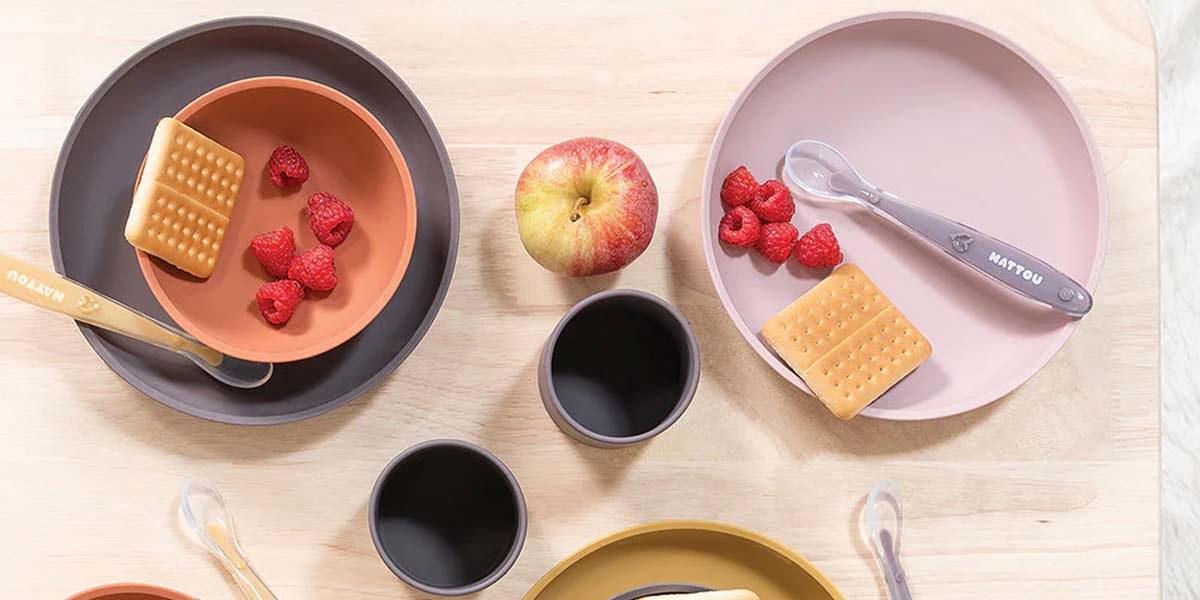
1. Kids' Dining Sets:
Kids' dining sets are designed to serve children's needs at every meal, offering comfort, safety, and fun. Each set includes different pieces and a variety of materials, colors, and designs, offering parents many choices for daily use or special occasions. Here we will analyze the various features to consider when choosing a kids' dining set.
Step 1: Choose the Pieces of the Dining Set:
Kids' dining sets are available in various piece counts, each with a different composition depending on the needs of the child and the family. The most common sets include:
- 2-Piece Set: Usually includes a plate and a cup or bowl. It is a good choice for younger children who are starting to use dining sets.
- 3-Piece Set: Usually includes a plate, bowl, and cup or cutlery. It covers the child's basic needs for their meals. Ideal for daily use.
- 4-Piece and 5-Piece Sets: These sets are more complete and include various combinations such as cutlery, plate, bowl, and cup. Ideal for growing children who need more variety during meals.
- 6-Piece Set: The most complete dining set, suitable for older children or families who want to have all the necessary tools in one set. 6-piece sets usually include a plate, bowl, cup, cutlery, and sometimes other accessories like a food divider or a lid.
Step 2: Choose the quality of the kids' dining set:
The choice of material for kids' dining sets is critical, as it affects the durability, safety, and ease of cleaning of the products. Each material has its own advantages and disadvantages:
Bamboo:
Natural, lightweight, and eco-friendly. Ideal for parents who want an ecological solution. It is naturally antibacterial and offers a mild and natural feel.
Bone China:
Durable and luxurious, with very good quality and style. Ideal for older children or for special occasions. It produces an elegant and delicate appearance.
PET:
Lightweight, durable, and easy to clean. A very common material in kids' products due to its safety and ease of maintenance. Suitable for daily use sets.
Steel & Polypropylene:
Ideal for sets with durable cutlery or cups. Combined use of steel and polypropylene ensures long-term durability and safety. Steel is extremely durable, while polypropylene offers lightness and ease.
Plastic:
Very common due to its durability, ease of use, and lower cost. Plastic dining sets are pleasant, lightweight, and safe for children, as long as they are BPA-free.
Porcelain:
A durable and more elegant choice. Porcelain is ideal for older children or for more formal dining sets. It also offers a lightweight feel and is easy to clean.
Silicone:
Ideal for children who are just starting to eat on their own, as silicone is soft, safe, and very temperature resistant. Additionally, it is easy to clean and does not contain toxic substances.
Step 3: Choose the kids' dining set based on the child's gender:
Unisex Kids' Dining Sets:
Many kids' dining sets are available in designs and colors that suit both boys and girls, such as neutral beige, gray, and yellow colors or designs with animals and geometric patterns.
Kids' Dining Sets for Boys:
Sets intended for boys often have shades of blue and green or designs with favorite heroes, cars, dinosaurs, or robots.
Kids' Dining Sets for Girls:
Sets for girls usually feature pastel colors and designs influenced by favorite fairy tales, flowers, or animals, such as butterflies and fairies.
Step 4: Choose the designs and colors of the kids' dining set:
The color and design of the dining set play an important role in the child's preference, as vivid and pleasant designs make eating more fun.
- Gray & Silver: Classic, neutral colors that fit every decoration and gender. Ideal for more refined or modern designs.
- Yellow & Gold: The vibrancy of yellow and the luxury of gold create an impressive combination for more "carefully chosen" sets.
- Brown: Relatively neutral and earthy color, ideal for families who prefer natural colors or wish to match with natural materials like bamboo.
- Red: Vibrant and intense, red creates excitement and energy, ideal for more active children.
- White, Cream, Ivory & Ecru: Ideal for more elegant, simple sets that offer a sense of cleanliness and freshness.
- Blue & Navy: Colors that are usually more common for boys, but can also be found in designs for girls. They give a sense of calm and seriousness.
- Multicolor: The most popular choice, with bold and happy colors that create the perfect atmosphere for the child. It includes vivid designs with different colors.
- Pink & Purple Design: Romantic and sweet colors, ideal for girls. Designs may include flowers, hearts, and other girly patterns.
- Animals: Designs with cute animals like bears, bunnies, or elephants, which are very much loved by children.
- Kids' Heroes: Designed with characters from popular children's fairy tales or TV series, such as Minnie Mouse or Spiderman. These designs excite children and encourage them to eat more.
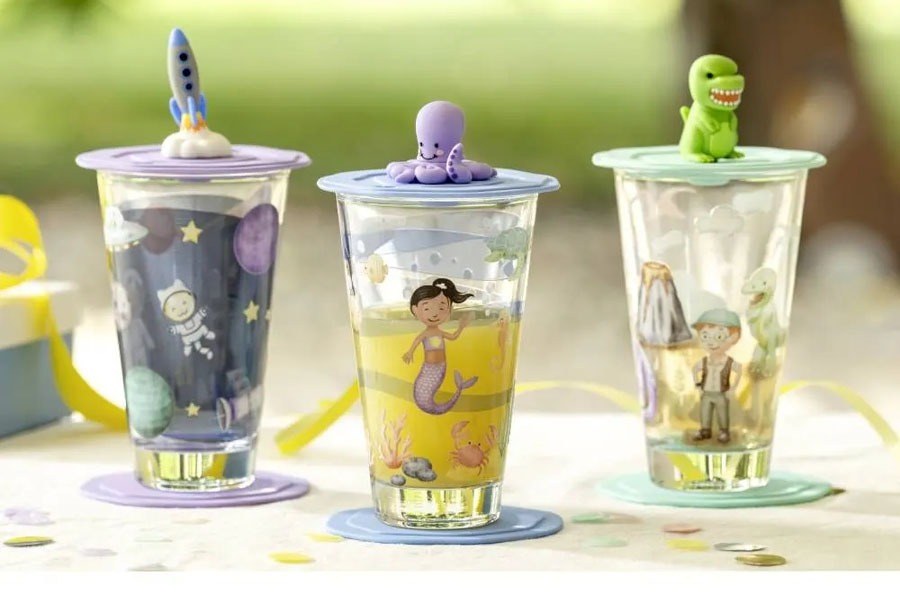
2. Kids' Cups:
Kids' cups are essential accessories for the daily life of our little friends, providing comfort, ease, and safety during drinking. In addition to practicality, kids' cups are often decorated with designs aimed at young consumers, offering a more pleasant experience.
Step 1: Choose the size of the kids' cup:
Kids' cups come in various sizes that adapt to the needs and age of the child. The most common volumes are:
150ml-160ml: Ideal for young children who consume small amounts of liquids.
170ml-200ml: Used by children who have started drinking larger quantities.
230ml-270ml: Perfectly suitable for older children, offering enough volume for daily use.
Over 270ml: Ideal for older children or for use at school, ensuring a sufficient quantity to cover hydration needs during the day.
Step 2: Choose the kids' cup based on the child's gender:
Unisex Kids' Cups:
Many kids' cups are designed with neutral colors and patterns, suitable for both boys and girls. They usually include designs with animals, stars, or natural elements.
Kids' Cups for Boys:
Cups for boys may include designs with characters from favorite children's fairy tales or series (e.g., cars, pirates, dinosaurs) and colors like blue or green.
Kids' Cups for Girls:
Cups for girls usually include designs with pink colors, flowers, hearts, or girly heroes.
Step 3: Choose the kids' cup based on extra features:
Kids' Cup with Lid:
Cups with lids are excellent for avoiding liquid leakage, which is very important when the child is on the move. They are also more hygienic, as the lid protects the drink from dust or other impurities. Usually available in small sizes for newborns or infants.
Kids' Cup with Handles:
Cups with handles are ideal for younger children who do not have full control of their hands and need support to drink with comfort and safety. These cups help the child learn to drink without help.
Kids' Cups with Straw:
Straw cups are also popular, especially when a child is learning to drink independently. The straw makes drinking more fun and can reduce spills, making it ideal for when the child is on the move.
Step 4: Choose the quality of the kids' cup:
The choice of material for kids' cups is critical for safety and durability:
- PET: Lightweight, durable, and with a good cost-to-performance ratio. PET cups are suitable for daily use and safe for children.
- PET & Silicone: The combination of PET and silicone offers even better durability and a pleasant texture. Silicone provides a nice feel and safety, while PET ensures sturdiness.
- Glass: Although heavier, glass offers excellent quality and aesthetics. It is ideal for older children who have better handling skills. However, it requires more care as it is more fragile.
- Plastic: A very common material due to low cost and ease of cleaning. It is lightweight and can come in a variety of colors and designs. However, it is important to choose BPA-free plastic cups for the child's safety.
- Polypropylene: A durable material often used for higher-strength cups. Polypropylene cups are lightweight, safe, and easy to clean.
- Silicone: Soft, durable, and safe for children. Usually used in cups intended for younger children, as they are much harder to break.
Step 5: Choose the Designs of Kids' Cups:
Designs and colors are among the most important elements in choosing a kids' cup, as they attract children's attention and make drinking more fun:
Two-tone: Ideal for cups with modern and simple designs that suit every taste.
Multicolor: An impressive, vibrant design with many colors that impresses and excites children.
Animals: Designs with cute animals like elephants, bears, kittens, puppies, and many more are favorites among children.
Space: Designs with spaceships, planets, and astronauts, ideal for children who love space and cosmic explorations.
Stars: Designs with stars and celestial bodies are very popular and usually appeal to children, giving a sense of magic and adventure.
Kids' Heroes: Designs featuring characters from popular children's fairy tales or series, such as Minnie Mouse, Spiderman, Cinderella, and others. These designs are particularly attractive to children.

3. Kids' Cutlery:
Kids' cutlery is designed to offer safety, comfort, and usability to young children, helping them learn to eat independently and correctly. The cutlery in these sets is usually smaller and has rounded edges to prevent injuries. Examining the features of kids' cutlery in more detail, below is an in-depth analysis of the basic parameters.
Step 1: Choose the pieces of the cutlery set:
Kids' cutlery sets come in various piece counts, depending on the consumer's needs and the child's age:
2-Piece Set
Usually includes a fork and a spoon, suitable for younger children who are starting to eat on their own.
3-Piece Set
Offers an additional knife, ideal for children who are beginning to learn how to cut food safely.
4-Piece Set
Usually includes a fork, spoon, and knife, with additional accessories for the child's dining needs, such as a small salad or fruit fork.
6-Piece Set
This is a complete set that includes the full range of cutlery to cover the child's needs at all meals and various situations.
Step 2: Choose the quality of materials for kids' cutlery:
Material quality is one of the most important factors when choosing kids' cutlery:
ABS:
A plastic material that is lightweight, durable, and safe for children. ABS is non-toxic and is suitable for creating handles that are comfortable and easy for children to use.
Stainless Steel:
It is the most durable and safe material for cutlery. Stainless steel cutlery is extremely resilient, lasts over time, and does not deform easily. It is also antibacterial, offering greater safety to the child.
Steel & Plastic:
The combination of these two materials offers a good balance between durability and lightness. The handle is usually made of plastic, which is easy for small hands to grip.
Steel & Polypropylene:
Polypropylene is a lightweight and safe plastic often used in handles to provide comfort and usability. Combined with steel, it offers durability and ease of use.
Metal:
Often used in more durable cutlery. Metals are safe for children and are usually processed to avoid any dangerous sharp edges.
Metal & Plastic:
Combines the durability of metal with the usability of plastic on the handles, resulting in cutlery that is easy to use and safe for children.
Plastic:
Plastic cutlery is very lightweight and generally more affordable; however, it may not be as durable as metal or combined materials. It is, however, ideal for use with infants or younger children.
Polypropylene:
A durable plastic material often combined with other materials, offering a safe and economical solution for children. It is highly resistant to scratches and does not deform easily.
Silicone:
A component used mainly for the handles of kids' cutlery. Silicone is soft and comfortable, providing a secure grip for small hands. It is also easy to clean and store.
Step 3: Choose kids' cutlery based on the child's gender:
Kids' cutlery is available in designs and colors that correspond to the child's gender or in more neutral designs for both boys and girls.
Unisex Kids' Cutlery:
Cutlery sets aimed at all children often include designs and colors that suit both boys and girls, such as neutral colors (gray, white, blue, green) or designs with animals and fun patterns.
Kids' Cutlery for Boys:
Cutlery for boys may feature designs with their favorite themes like cars, ships, or superheroes. Colors like blue, green, or black are often used.
Kids' Cutlery for Girls:
Cutlery for girls usually includes designs with flowers, hearts, fairies, or princesses, with colors like pink, lilac, or pastels.
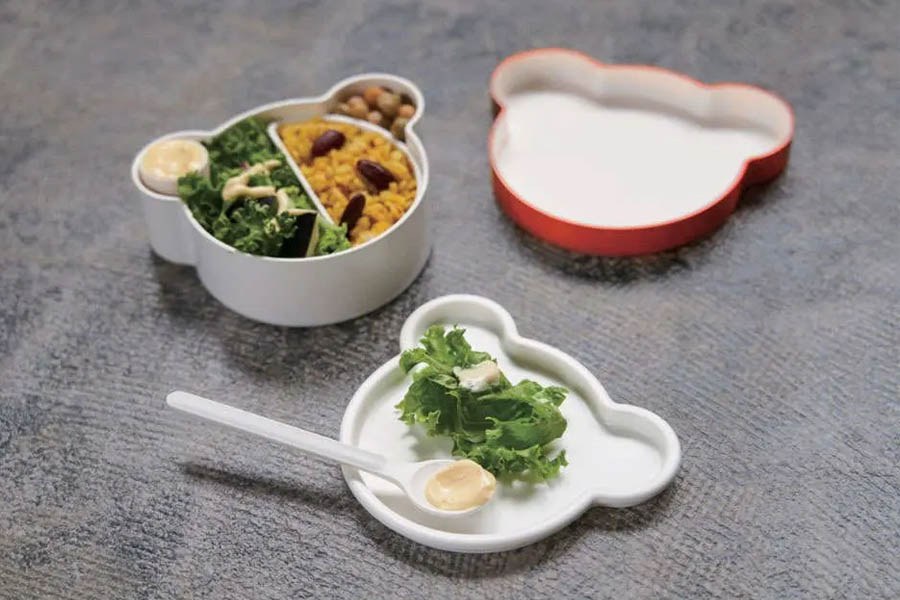
4. Kids' Plates and Bowls:
Kids' plates and bowls are among the most essential and useful accessories for children's meals. They are designed to help children eat with comfort, safety, and fun, while providing the right materials for their healthy development.
Step 1: Choose the quantity of kids' plates and bowls:
Kids' plates and bowls come in various sizes to meet the child's needs as they grow and to fit the different amounts of food the child consumes.
1 Piece:
Ideal for small amounts of food or for use as a personal plate or bowl for the child. Often used for small snack portions or breakfast.
2 Pieces:
Can be a set for daily use, e.g., a plate and a bowl for the main course and dessert. An excellent choice for the early years of development.
3 Pieces:
Usually includes a plate, a bowl, and a smaller snack plate. Ideal for children's needs across various dining occasions.
6 Pieces:
A more complete set that can include plates, bowls, and possibly other accessories like cutlery and cups.
Step 2: Choose the type of kids' plates and bowls:
Cereal Bowls:
Cereal bowls are usually deep and ideal for holding cereal or fruit with milk or yogurt. They are more spacious and allow the child to easily eat their breakfast.
Bowls:
Kids' bowls are used for liquid foods or for fruits, salads, soups, or other foods with broth. They are recommended for the first phase of development when the child is getting used to their first foods, as they offer more comfort during feeding.
Plates:
Kids' plates are ideal for the child's daily feeding. They are suitable for meals with solid foods like pasta, meat, or vegetables.
Step 3: Choose the kids' plate or bowl based on the child's gender:
Kids' plates and bowls are available in various designs and colors, depending on the child's gender or neutral for all children:
Unisex Kids' Plate or Bowl:
Usually feature neutral designs and colors, such as gray, white, or bright colors and patterns with animals, plants, or simple lines. Ideal for families who want the same options for boys and girls.
Kids' Bowls and Plates for Boys:
Often designed with themes concerning boys, such as cars, robots, dinosaurs, or other children's heroes. Colors usually include blue, green, red, and other vibrant shades.
Kids' Bowls and Plates for Girls:
Designs for girls usually include pastel colors and patterns with flowers, hearts, fairies, or princesses. Pink, lilac, and purple are often the most popular colors for girls.
Step 4: Choose kids' plates and bowls based on material:
Material selection for kids' plates and bowls is extremely important for the child's safety and comfort.
- Bone China: High-quality porcelain, durable and safe for children. It offers a more elegant and delicate choice for plates and bowls.
- PET: A plastic material that is durable and safe for children. It does not contain toxic substances and is used in products that are resilient and lightweight.
- PET & Silicone: The combination of these materials offers soft, pleasant-to-touch handles and ensures the child's safety.
- Ceramic: Extremely durable material that adds elegance and style to plates and bowls. However, ceramics can break more easily if dropped.
- Metal & Plastic: Often used for making plates or bowls, it combines the hardness of metal with the convenience of plastic. It is usually more durable and withstands frequent use.
- Plastic: Lightweight and easy to clean, plastic is an economical and safe choice for young children. Most plastic kids' plates are BPA-free, making them safe for health.
- Polypropylene: Durable and lightweight, polypropylene is very commonly used for kids' plates and bowls due to its high resistance to high temperatures and the ability to be easily washed.
- Polypropylene & ABS: Combined material that offers better durability, usability, and safety. Ideal for the child's first foods, as ABS provides a stable and comfortable grip.
- Silicone & Plastic: Ideal for plates with a soft surface that cannot cause harm if dropped. At the same time, they are easy to clean and very safe for children.
Step 5: Choose kids' plates and bowls based on extra features:
Suction Base Bowls & Plates:
Some kids' plates and bowls feature suction cups on their base to keep them stable on the table and prevent food from tipping over during the meal. Ideal for younger children who do not have full control of their movements.
Shallow Plate:
Shallow plates or bowls are ideal for foods that don't need much depth, such as cereals or snacks. Shallow dishes help the child feed themselves more easily and recognize foods better.
Deep Plate & Bowl:
Deep plates or bowls are ideal for soups or liquid foods, like rice and pasta. They offer sufficient space for the food, ensuring it stays in the dish without spilling.
Divided Plate:
Some kids' plates and bowls feature compartments, allowing you to serve different foods without them mixing. Ideal for children who prefer their foods not to touch.
Bowl with Lid:
Plates or bowls with lids are ideal for storing food and easy transportation. Perfect for times when the child needs to take their food with them or for storage in the refrigerator.
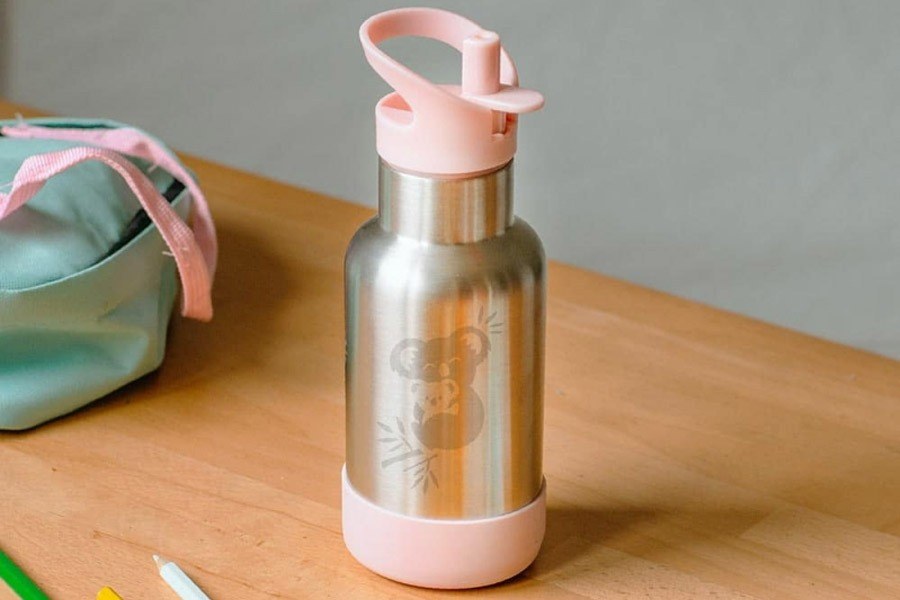
5. Kids' Thermoses and Bottles:
Kids' thermoses and bottles are designed to enable children to drink water or their beverages easily and safely, while maintaining the liquid's temperature. Additionally, they offer a practical solution for parents who need to carry the child's drink with ease, whether to school, the playground, or on trips.
Step 1: Choose the Size of Kids' Thermoses and Bottles:
Choosing the right size for a thermos or bottle depends on the child's needs and the time spent away from home or the necessity for fluid consumption during the day. The most common sizes are:
- 296ml: Ideal for smaller amounts of drink, such as for a meal or for little children who don't need much liquid at each use. It covers daily needs without being excessive.
- 350ml: Slightly larger, this size is more suitable for children who need a bit more to drink during the day. Ideal for school or activities lasting a few hours.
- 400ml: Ideal for children with higher fluid needs, such as use during a sports event or a long period outside the home.
- 450ml: This size is slightly larger and offers enough liquid for more intensive activities, like sports or excursions. Ideal for more active children.
- 500ml: Ideal for older children or for use in activities requiring more liquid. Usually used for periods when the child will need more water or juice.
- 600ml: The largest size and ideal for more demanding activities, such as travels or sports events. It provides enough liquid for longer durations.
Step 2: Choose the Type of Kids' Thermoses and Bottles:
Screw-top Bottle - Thermos:
Thermoses and bottles with screw-on lids are the most popular and usually the most secure, as the lid closes tightly and prevents leaks. Ideal for daily use and activities requiring safety and ease.
Clip-top Bottle - Thermos:
Bottles or thermoses with a clip feature a mechanism that allows them to close easily, with the clip ensuring closure and safe transport. Ideal for kids' activities like playing at the playground or hiking.
Canteens:
Thermoses and bottles in the form of canteens are often lightweight and handy, especially for children in sports activities or for use during an excursion or school. Their construction is designed for easy transport and spill prevention.
Thermos Canteens:
These bottles feature insulation that keeps the beverage's temperature for a longer time. They are ideal for cold or hot drinks and often include a special system ensuring the drink stays at its temperature for hours.
Step 3: Choose the Quality of Kids' Thermoses and Bottles:
The choice of material for the kids' thermos or bottle is important for its longevity, the beverage temperature, and the child's safety. The most common materials are:
Aluminum:
Aluminum is a lightweight and durable material that offers good insulation and maintains temperature for longer. Aluminum bottles are lightweight and easy to carry; however, they require care regarding vibrations and falls, as dents may occur.
Stainless Steel:
Stainless steel is extremely durable and offers top performance in insulation, keeping drinks hot or cold for hours. It is one of the most popular materials for thermoses and bottles, as it is very resilient and safe for children, unaffected by chemical reactions.
Steel:
Steel is harder and more durable than aluminum and provides excellent insulation for maintaining drink temperature. However, it is heavier compared to aluminum but extremely resistant to damage and impacts.
Metal:
Metals, such as steel and aluminum, provide durability and safety. They are more resistant to leaks and ensure long-term use.
Plastic:
Plastic bottles are much lighter and cheaper compared to metal ones, but their insulation is not as strong. Plastic bottles are usually more affordable, easy to carry, and available in a variety of designs and colors. Although plastic does not offer the same temperature resistance, it can be a good choice for daily use.
The information below is required for social login
Sign In
Create New Account