


Children's Furniture Shopping Guide
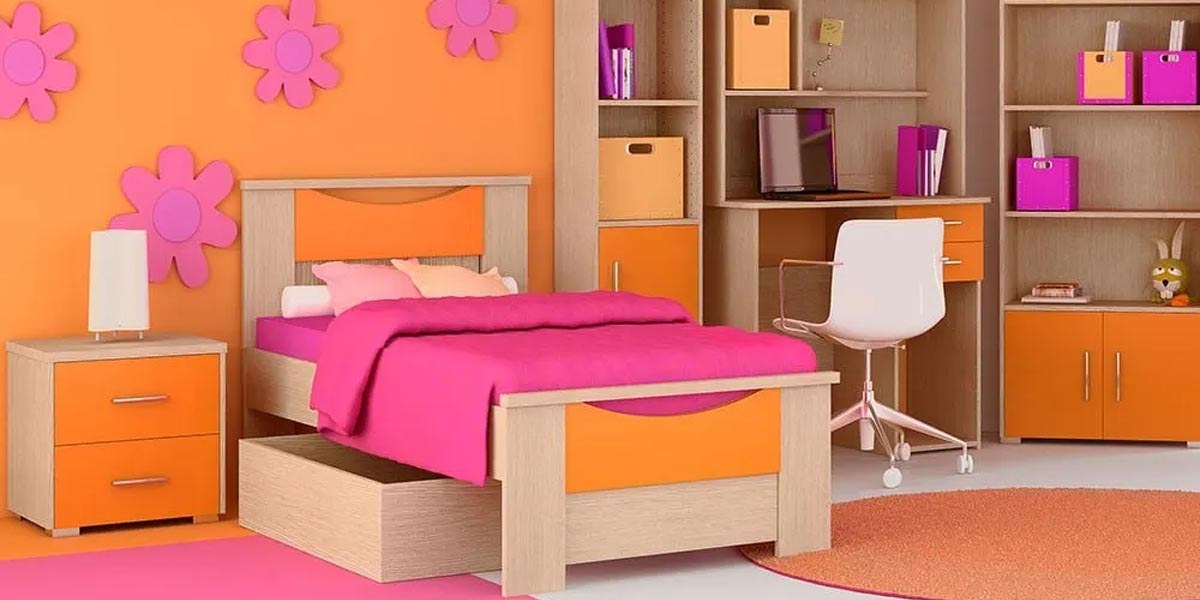
Children's Beds
Children's beds must meet certain criteria to provide proper support and safety for children. It is important to consider various factors before purchasing.
1. Focus on Safety
Edges and corners: Children's beds should have rounded corners to avoid injuries.
Rails: If the child is young, the bed must have rails or side guards to prevent falls.
Stability: It must be stable and durable to withstand the child's daily movements.
2. Construction Materials
Wood: This is the most common and durable material for children's beds, offering a natural look and a long lifespan.
Metal: Offers greater durability and can provide a modern appearance.
Plastic: Lightweight and easy to clean, but not always as durable.
3. Durability and Sizes
Mattress and bed size: Ensure the mattress is suitable for the bed size and that the child has enough room to sleep comfortably. Usually, children's beds accommodate mattresses 100-130 cm in width.
Anatomical mattresses: Choose an anatomical mattress that provides proper support for the child's spine.
4. Creativity and Style
Themed beds: Beds with themed designs, such as cars, princesses, or animals, are particularly popular and excite children.
Multifunctional beds: Beds with storage spaces or even bunk beds for siblings can be very practical.
5. Age of the Child
Baby beds (Cribs): Usually with dimensions of 60x120 cm or 70x140 cm for ages 0-3 years.
Children's beds: From the age of 3 onwards, the child can move to a larger bed, depending on their height and development.
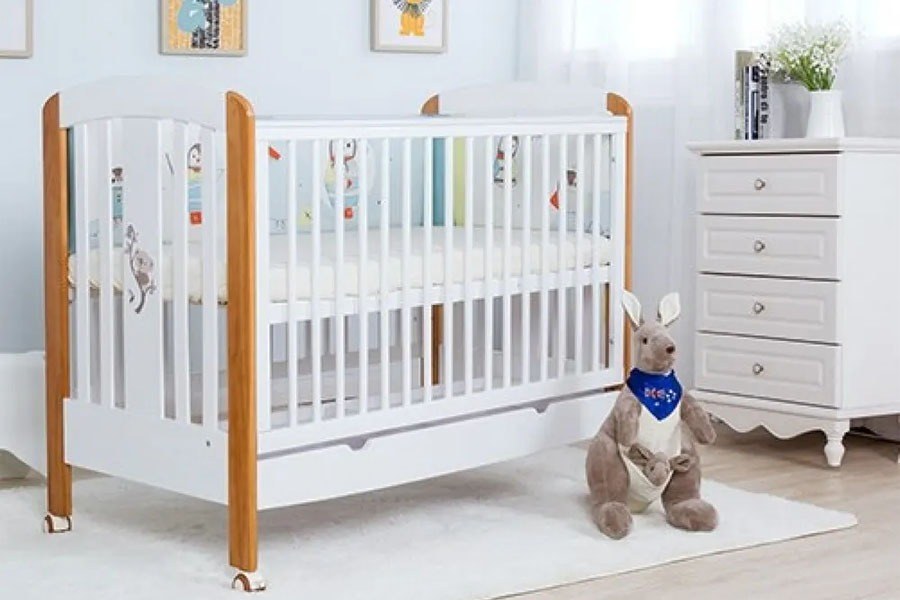
Baby Cots / Cribs
Baby cots are essential for the safety and proper development of newborns. They must meet strict safety standards and be suitable for the baby's age.
1. Safety
Stability: The cot must be stable and not shake easily.
Slats/Bars: The bars of the cot should be less than 6 centimeters apart to avoid the risk of the child getting their head caught between them.
Material: Ensure the cot does not contain harmful chemical substances, such as toxic dyes or materials.
2. Materials and Design
Wood: As with children's beds, wood is the most popular material for baby cots because it is natural and durable.
Mattress: The cot mattress must be firm and stable to avoid the risk of suffocation.
3. Size Selection
Cot size: Baby cots usually have dimensions of 60x120 cm or 70x140 cm. A cot of these dimensions is sufficient for the first 2-3 years of the baby's life.
Functionality: Choose a cot with easy access so you can place and remove the baby without difficulty.
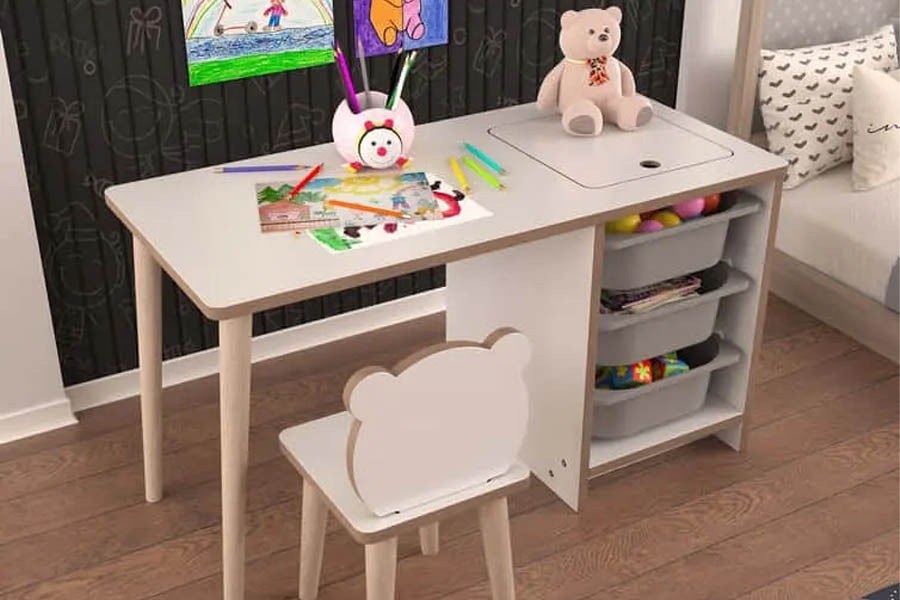
Children's Desks
Choosing a children's desk is important for organizing the child's space and enhancing their study and creativity. There are several factors to consider to ensure the desk is comfortable, functional, and safe for your child. Below is a detailed guide for buying a children's desk.
1. Safety and Durability
A. Construction Materials
Wood: Wood is the most common material for children's desks. It offers a natural feel, durability, and long life. Ensure the wood is of good quality and does not contain harmful chemical substances.
Metal: Desks with metal construction are usually more durable and offer a modern look. They are also more stable and resistant to wear and tear.
Plastic: Plastic can be lightweight and easier to maintain, but it does not have the same durability as wood or metal.
B. Rounded Corners
Safe desks for children should have rounded corners to avoid injuries during play or study.
2. Functionality and Organization
A. Storage Spaces
A children's desk should offer enough storage spaces to organize books, school supplies, and toys. Some desks feature:
Drawers: For storing stationery, notebooks, and other small items.
Shelves: For books, decorations, or other items.
Cabinets: If the desk is larger, it may have cabinets for additional storage.
B. Anatomy and Ergonomics
Depending on the child's age, the desk should provide proper ergonomics. This means:
Height: The desk height should be adjustable or suitable for the child's height.
Working angle: Ensure the desk has the correct angle for work without causing poor posture.
3. Necessary Features for Work and Creativity
A. Sizes and Dimensions
The size of the desk should depend on the available space and the child's needs:
Smaller desks: Suitable for small rooms or for children who don't have many items or books.
Larger desks: Suitable for children who need more space to work or for older ages (e.g., adolescence).
B. Ports for Electronic Devices
In an era where children use electronic devices for studying, the desk may have:
More outlets for charging computers, tablets, or mobile phones.
Cable management to keep cables organized and untangled.
4. Style and Design
A. Modern or Traditional Designs
Depending on the child's aesthetic and the rest of the room's space, choose between modern, minimalistic, or traditional designs. Options include:
Modern designs: Desks with clean lines, lightweight materials, and contemporary design.
Classic designs: Tradition and warmth, with strong wooden elements and a traditional aesthetic.
B. Colors
Colors are also important for creating a pleasant and productive space. Choose colors that are calm and match the room's decoration, but are also easy to maintain.
5. Necessary Adaptation for Growing Children
A. Adjustable Height
For greater convenience, look for desks with adjustable height so they can adapt to the child's height changes as they grow.
B. Flexibility
A desk that can evolve or be adapted can prove to be a wise choice. There are desks that can be converted for older children, or that feature shelves and drawers that adjust to the child's needs.
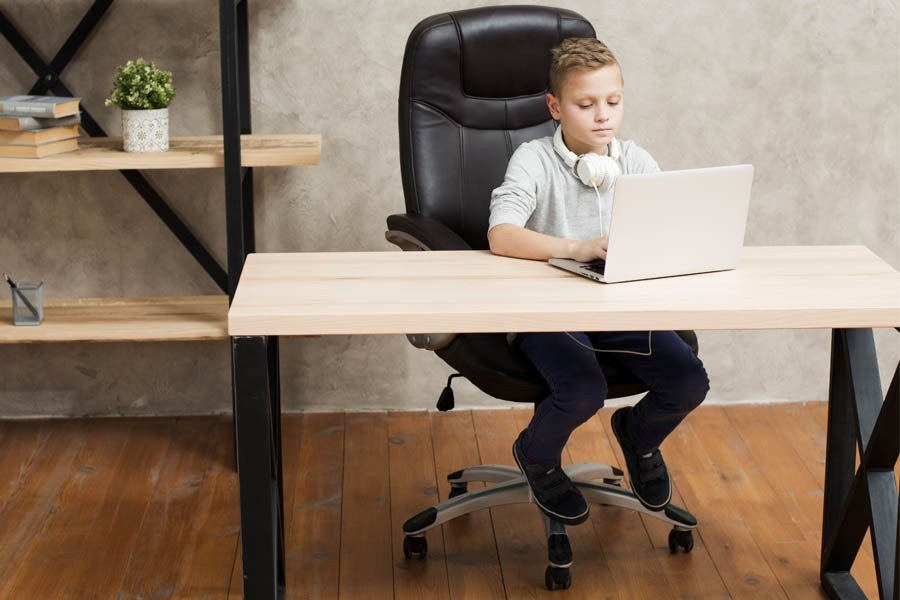
Children's Desk Chairs
Choosing the right children's desk chair is important for the child's comfort and health during study or computer play. A desk chair that combines proper ergonomics, stability, and safety can help the child maintain good posture and avoid back or neck pain.
1. Safety and Stability
A. Adjustment Mechanisms
Check for height mechanisms that lock, so there is no risk of the chair lifting or falling unexpectedly.
Avoid chairs that have free-moving mechanisms that could be dangerous for younger children.
B. Anti-slip Base and Wheels
The chair's wheels should be anti-slip and function correctly on various surfaces.
Ensure the chair has a wide base for greater stability and so it doesn't tip over easily.
2. Ergonomics and Comfort
A. Adjustable Height
Height adjustment is the most important feature. The chair must adapt to the child's height, allowing their feet to touch the ground and their knees to form a 90° angle.
Ensure the chair adjusts to different heights to follow the child's growth, especially if it is for younger children.
B. Lumbar Support
The chair should have anatomical support in the lower back area, helping the child maintain correct posture during seated work at home.
If the chair has adjustable lumbar support (backrest), you can customize it according to the child's needs.
C. Back Support and Armrests
The back of the chair should be high and provide support in the neck area.
Armrests are optional, but if present, they should be adjustable and support the child's elbows so the shoulder area is not strained.
3. Construction Materials and Durability
A. Fabrics and Padding
The chair's materials should allow the body to breathe and be comfortable to avoid overheating. Good choices include mesh or breathable fabrics.
Chairs with foam materials for padding are more comfortable and pleasant for prolonged use.
B. Frame and Base
The chair frame should be made of durable material, such as metal or hard plastic. This ensures long-term use without damage.
Ensure the base of the chair is wide for greater stability and durability.
4. Wheels and Mobility
A. Type of Wheels
Choose chairs with wheels suitable for the children's room floor. If you have parquet or hard surfaces, soft wheels are more appropriate, while hard wheels fit better on carpets.
If your child needs to move frequently, choose a chair with wheels that allow easy movement without damaging the floor. To protect the floor, you can purchase appropriate floor protectors.
5. Style and Design
A. Colors and Themes
The design and colors of the chair should match the child's room and their personal taste. Most children's desks have cheerful designs and colors that can be easily integrated into a children's room, and your choice for the corresponding chair can be on the same wavelength.
You can choose chairs with themed designs (e.g., cartoon heroes or sports) if the child has specific interests.
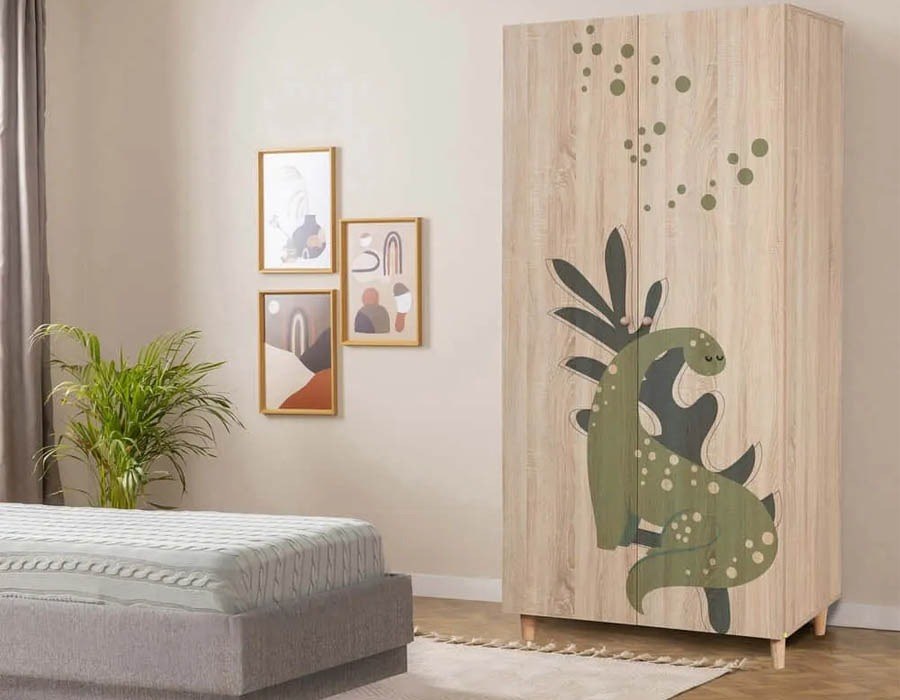
Children's Wardrobes
Choosing a children's wardrobe is a major investment, as it involves not just clothes storage, but also the organization, safety, and aesthetics of the child's room. A well-chosen wardrobe can accompany the child for many years, meeting their ever-growing needs.
1. Types of Children's Wardrobes
A. Two-Door Wardrobes
The most common for small spaces.
Ideal for young children.
Usually feature a hanging rail and shelves.
B. Three-Door Wardrobes
Offer larger storage space.
Ideal for families with more clothes or for older children.
Feature a combination of shelves, drawers, and hanging space.
C. Sliding Door Wardrobes
Suitable for small rooms where there isn't enough space for swing doors.
Practical and modern.
Facilitate access without restricting space.
D. Modular / Convertible Wardrobes
Allow for adjustment and expansion according to the age and needs of the child.
Can change layout (shelves, drawers, hangers).
Ideal for long-term use.
E. Wardrobes with Integrated Desk or Shelves
Combine storage with functionality.
Save space in small rooms.
Suitable for school age.
2. Construction Materials
The quality and durability of the wardrobe depend on the material.
MDF or Particle Board: Economic choice, lightweight, but less durable over time.
Wood (e.g., pine, beech): Durable and timeless, offers natural beauty.
Metal constructions: Rare in children's wardrobes, but very durable.
Material combinations: Often furniture is made of MDF with veneer or melamine coating for greater durability and easy cleaning.
3. Design & Aesthetics
The wardrobe should match both the decoration of the child's room and the child's preferences.
Colors: White, pastel, or bold colors depending on the style.
Themes: Wardrobes with painted designs, children's heroes, or minimal aesthetics.
Neutral designs: Ideal if you want the wardrobe to "grow" with the child.
4. Ergonomics & Functionality
Height: Prefer wardrobes that allow the child to have easy access to their clothes.
Drawers & Shelves: Very useful for smaller clothes, underwear, or toys.
Hanging Rail: Essential for dresses, shirts, and jackets.
Mirror: Can be integrated for practicality, especially for older children.
Safety: Ensure that the doors and drawers have an injury prevention system (soft close).
5. Safety & Certifications
Safety is a basic priority for any children's furniture:
Prefer furniture with rounded corners.
Check for certifications of materials without toxic substances.
The wardrobe must be secured to the wall to prevent tipping.
6. Dimensions & Space
Measure the room carefully before buying.
If the child's room is small, choose a wardrobe with sliding doors.
If there is enough space, a three-door or modular wardrobe will meet long-term needs.
7. Useful Buying Tips
Think of the future: Choose a design that will still fit when the child grows up.
Prefer wardrobes with multiple storage options.
Prioritize safety and quality over just aesthetics.
If the room is small, utilize smart solutions with integrated storage spaces.
Conclusion:
A children's wardrobe is not just a storage piece, but a key part of organization and functionality in the child's room. Invest in a quality, safe, and ergonomic choice that will meet your child's needs for many years.
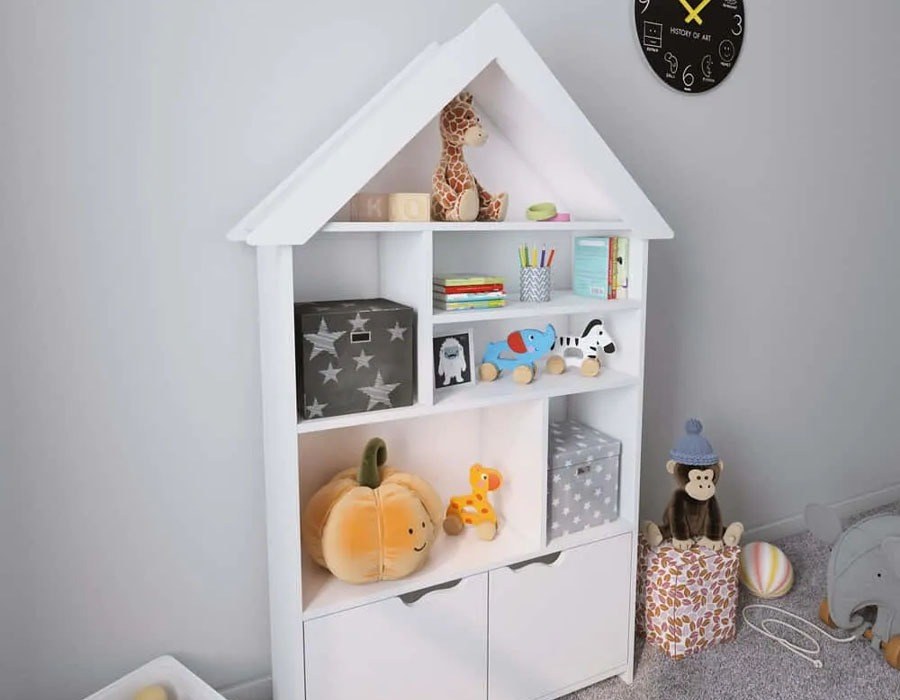
Children's Bookcases
The children's bookcase is one of the most important pieces of furniture in a child's room, since it serves not only for organizing books and school supplies but also contributes to creating a corner for learning and creativity. The right choice of bookcase can encourage a child to love reading and learn to organize their space.
Below is a detailed guide on what you need to know before buying.
1. Types of Children's Bookcases
A. Classic Bookcases with Shelves
Consist of vertical shelves at various heights.
Ideal for older children who already have quite a few books.
Offer plenty of space and organization.
B. Low Bookcases
Suitable for younger children, as the books are at their height.
Promote autonomy (the child chooses books or toys independently).
Often used as multifunctional furniture (e.g., with storage boxes).
C. Bookcase Columns
Tall and narrow, saving space in small rooms.
Usually intended for school-aged children.
D. Cube / Modular Bookcases
Consist of independent boxes/cubes that can be combined.
Very flexible, as they change shape according to needs.
Suitable for books, toys, and decorations.
E. Themed / Decorative Bookcases
Designs with shapes (e.g., trees, houses, animals).
Impress children and make reading more fun.
Ideal for young ages, though they may be outgrown aesthetically as the child grows.
2. Construction Materials
Wood (e.g., solid wood, MDF, particle board): Sturdy and durable options, in a variety of finishes.
Melamine: Economic choice, easy to clean, large variety of colors.
Plastic: Lightweight and safe, but with limited durability over time.
Material combinations: Wood frame with melamine panels or plastic parts for a more child-friendly style.
3. Design & Aesthetics
The bookcase must match the child's room and be attractive to the child.
Colors: White and pastel shades for neutral decoration, bold colors for a more playful atmosphere.
Themed designs: Bookcases in the shape of a house or tree make reading a game.
Neutral designs: If you want long-term use, choose timeless and simple designs.
4. Ergonomics & Functionality
Height: For young children, prefer low bookcases for easy access.
Adjustable shelves: Allow for adjustment depending on book size.
Drawers / storage boxes: Very practical for school supplies, toys, and craft materials.
Open vs. Closed shelves: Open for easy access, closed for order and cleanliness.
5. Safety
Ensure the bookcase is secured to the wall to prevent tipping.
Choose furniture with rounded corners to avoid injuries.
Prefer materials with certifications (free of toxic substances).
6. Dimensions & Space
Small rooms: Columns or modular bookcases to save space.
Larger rooms: More options for classic or themed bookcases.
Measure the available space before buying.
7. Useful Buying Tips
Think of the future: choose a design that won't be outgrown aesthetically as the child grows.
If the child is young, prefer a low bookcase for autonomy.
Combine shelves with storage boxes for better organization.
Choose durable materials that will withstand weight and continuous use.
Conclusion:
The children's bookcase is a basic piece of furniture that enhances organization and fosters a love for reading. Invest in a safe, ergonomic, and aesthetic choice that adapts to your child's needs and age.
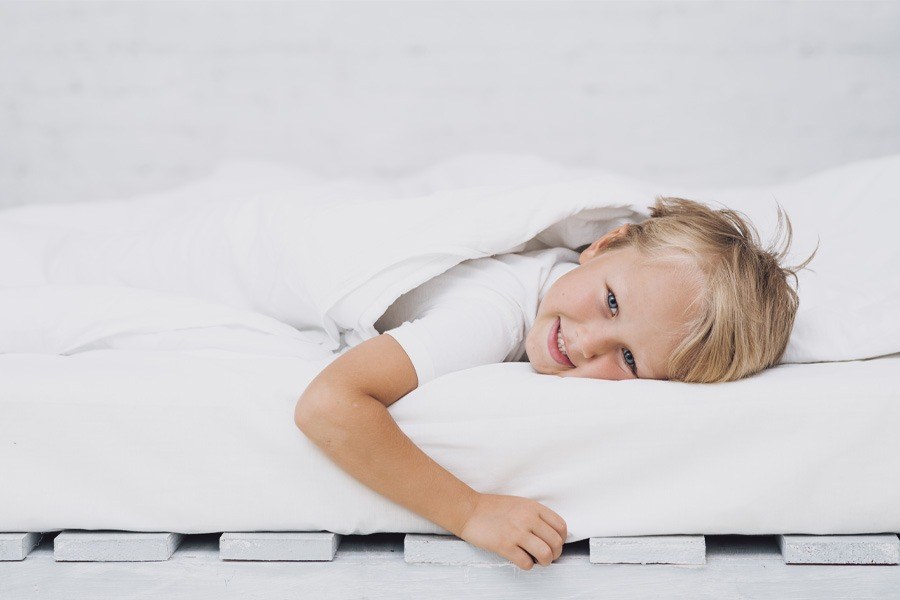
Children's Mattresses
The children's mattress is one of the most important elements in a child's room, as it directly affects sleep quality, spinal development, and general health. The right mattress choice contributes to good rest, physical development, and the creation of healthy sleep habits.
Below is a detailed guide with everything you need to know before buying.
1. Children's Mattress Dimensions
Dimensions depend on age and the bed:
Baby mattresses (60×120 cm or 70×140 cm): For cribs and basins.
Transitional mattresses (70×160 cm): For toddler beds after the crib.
Standard children's mattresses (80×160 cm – 90×200 cm): For older children, even up to adolescence.
Tip: If you want long-term use, choose classic dimensions (90×190 cm or 90×200 cm).
2. Types of Children's Mattresses
A. Foam Mattresses
Lightweight, economical, and comfortable.
Provide good support, ideal for young ages.
Attention to quality: they must be durable so they don't sag easily.
B. Anatomical Spring Mattresses (Bonnell or Pocket Springs)
Bonnell are more economical and offer firm support.
Pocket Springs have independent springs and follow body movements better.
Recommended for school-aged children and up.
C. Orthopedic Mattresses
Designed for correct spinal support.
Ideal for children in a growth phase.
Often combine springs with foam or natural materials.
D. Latex or Natural Material Mattresses
Made of rubber, cotton, coconut, or wool.
Hypoallergenic, antimicrobial, and more breathable.
Higher cost, but an excellent choice for children with allergies.
3. Mattress Firmness
Infants & young children (0–3 years): Prefer medium to firm mattresses for proper support.
Children 4–12 years: Medium firmness for a balance of comfort and support.
Adolescents: Medium firmness mattress or depending on body needs.
4. Safety & Hygiene
Hypoallergenic materials: Prevent allergies and asthma.
Antibacterial protection: Ensures a clean and healthy sleep environment.
Mattress air vents: Help with better air circulation and reduce humidity.
Removable cover: Allows for washing and keeps the mattress clean.
5. Durability & Lifespan
A quality children's mattress can last 7–10 years.
Prefer mattresses with reinforced edges so they don't deform.
Avoid very cheap mattresses that easily lose their firmness.
6. Useful Buying Tips
Measure the bed before buying so it fits exactly.
Check the mattress warranty (at least 5 years).
Prefer a mattress with safety certifications (e.g., Oeko-Tex).
Invest in a waterproof protective cover to prolong its life.
Do not buy a mattress "just for convenience" from adults; specialized support is needed for children.
Conclusion:
The choice of a children's mattress should combine safety, proper support, and durability. Invest in a mattress that covers the child's needs at every stage of development, with an emphasis on health and quality of sleep.
The information below is required for social login
Sign In
Create New Account