


Kitchen Towels Shopping Guide
Kitchen towels are essential in every home and professional kitchen, which is why you can never have too many. There are various types of kitchen towels designed to meet different needs. But how do we determine which is the right towel for our kitchen? By reading this comprehensive kitchen towel buying guide, of course!
Step 1: Choose the Material of the Towel
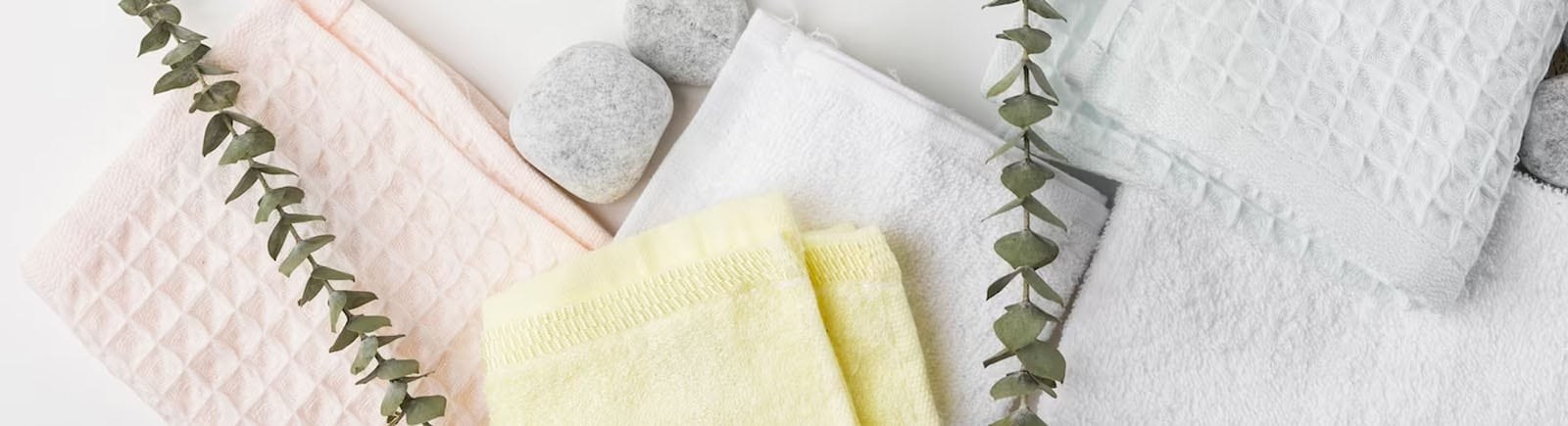
Kitchen towels can be made from various materials, each offering different advantages depending on your needs. Some of the most common materials used for kitchen towels include:
Cotton Kitchen Towels
100% cotton towels are popular due to their high absorbency and soft texture. They are ideal for everyday use in the kitchen.
Linen Kitchen Towels
Linen towels are durable and highly absorbent. They have a distinct texture and are suitable for multiple uses in the kitchen.
Microfiber Kitchen Towels
Made from ultra-fine synthetic fibers, microfiber towels offer excellent absorbency and quick drying. They are lightweight and versatile.
Cotton & Polyester Blend Kitchen Towels
Many kitchen towels are made from a cotton-polyester blend. This combination enhances durability, absorbency, and ease of care.
Step 2: Choose the Weave of the Towel
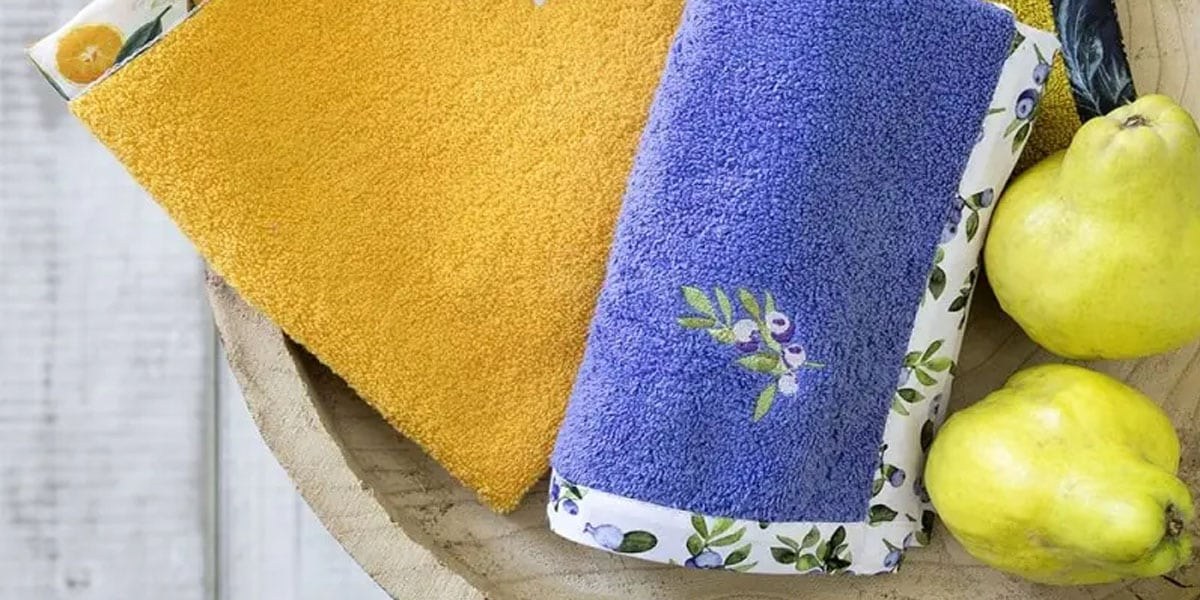
Kitchen towels can have different weaves, depending on the fabric and construction. Some of the common weaves found in kitchen towels include:
Plain Weave: This is the simplest weaving technique, where the threads pass over and under each other, creating a uniform surface. This technique makes towels durable and suitable for everyday use.
Terry Weave: This weave involves additional loops of yarn on the fabric's surface, creating a fluffier pile. This structure is highly absorbent and is typically used for bath towels but can also be applied to kitchen towels for increased absorbency.
Waffle Weave (Piqué): This weave creates a pattern similar to a waffle or honeycomb. This design increases the towel’s surface area, making it lightweight, quick-drying, and absorbent.
Frotte Weave: Kitchen towels with a frotte texture are particularly absorbent due to their embossed texture, which creates more surface area for moisture absorption. Additionally, this texture adds volume and visual interest to the towel.
Velvet: Velour kitchen towels have a unique texture that resembles velvet. Velvet is a fabric with a soft and smooth feel, created by alternating the thread directions during weaving. Velour-textured kitchen towels add a touch of luxury and softness to your kitchen. While they are less absorbent, they are exceptionally soft.
Jacquard: These are high-quality towels featuring intricate designs woven into the fabric. The patterns are often embossed and highly durable.
Step 3: Choose the Towel Based on Its Intended Use
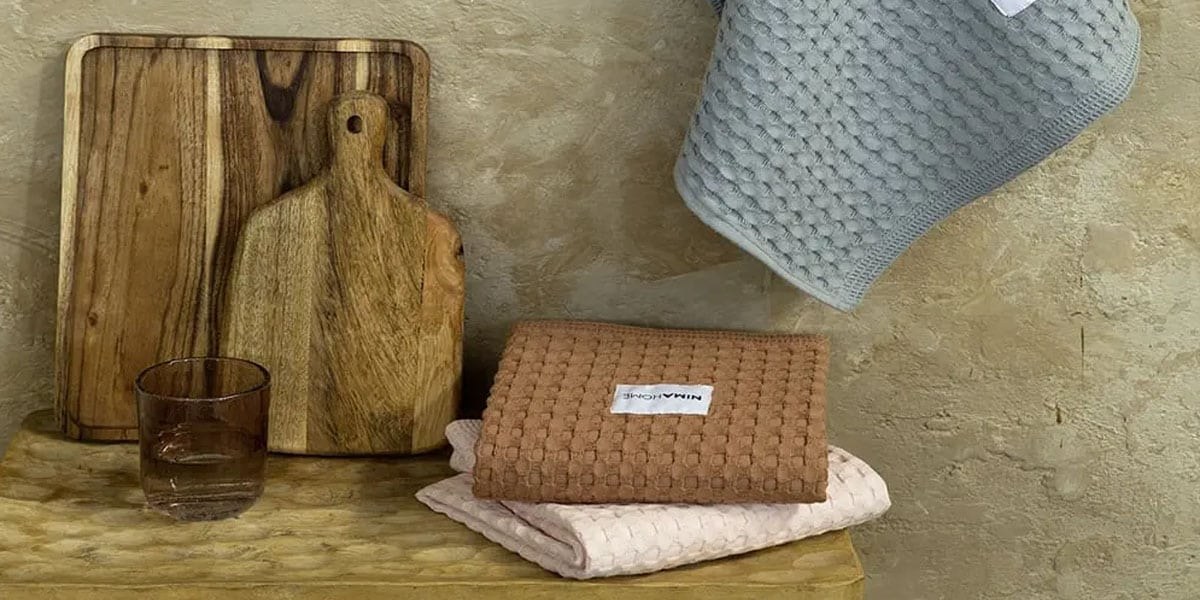
Kitchen towels serve various purposes beyond just drying dishes. Here are some ways you can use them:
1. Drying Dishes: The most common use of kitchen towels is drying dishes after washing. These towels are often referred to as tea towels and are typically made from microfiber or fine cotton fabric to be highly absorbent, lint-free, and quick-drying.
2. Cleaning Surfaces: Use kitchen towels to wipe and clean kitchen surfaces such as countertops and tables. Any type of kitchen towel can be used for this purpose.
3. Covering Food: You can use a towel to cover food during preparation or storage.
4. Draining Produce: Place a towel under fruits or vegetables to collect excess moisture. A cotton towel is ideal for this use, as cotton is a natural material with high absorbency.
5. Protecting Hands from Heat: Kitchen towels can be used as makeshift oven mitts or pot holders, as they are readily accessible in the kitchen and provide good heat protection (however, a damp towel conducts heat more efficiently than a dry towel, so be cautious).
6. Protecting Surfaces: Place a towel under hot cookware to protect your surfaces.
7. Hand Cleaning: Use the towel to wipe your hands while cooking. The best towels for this purpose are those made from cotton and polyester, as they are more resistant to wear and stains and can be washed at high temperatures for thorough cleaning.
8. Hand Drying: After washing the dishes, you can dry your hands with a velour kitchen towel, which is exceptionally soft yet absorbent.
These are just a few ways you can make use of a kitchen towel to simplify and enhance your daily kitchen routine.
Step 4: Choose the Color and Design
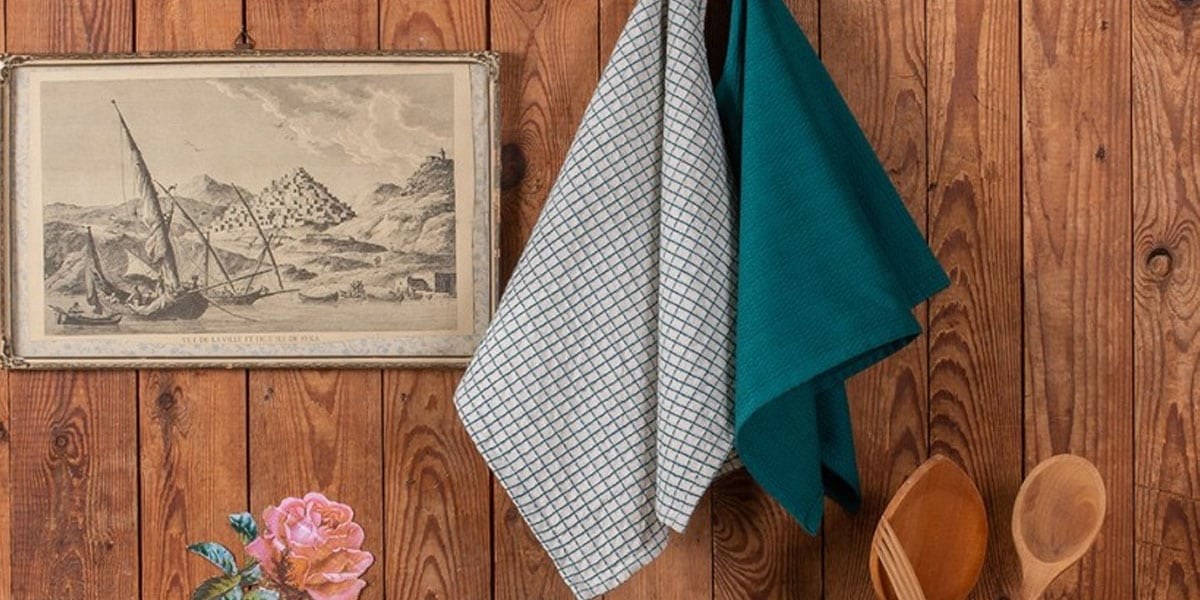
Selecting the color and design of a kitchen towel can be an enjoyable and creative process. Here are some steps to guide your choice:
1. Match with the Décor: Consider the color scheme and style of your kitchen décor. You may want the towel to blend with the existing colors and aesthetic. Match the towel with your kitchen rug, tablecloth, curtains, or furniture.
2. Refreshing Colors: Choose bright colors that refresh the space and add vibrancy. Bold colors like green, yellow, and red can bring a dynamic touch.
3. Patterns and Themes: Decide whether you want a towel with a specific theme, such as geometric patterns, floral prints, food-related motifs, or inspiring quotes.
4. Variety: Keep a variety of towels with different colors and designs to change the kitchen atmosphere according to your mood or the season. Kitchen towels tend to get dirty quickly, requiring frequent washing, so having multiple spare towels is essential.
5. Practicality: If the towel will be used frequently, choose a color that hides stains well. However, if you want to use it as a tea towel, opt for a white or light-colored towel to easily see when it needs washing.
6. Personal Preference: Follow your personal taste and choose colors and designs that make you feel happy. Kitchen towels can add color, style, and personality to your space, so let your creativity lead the way!
At designdrops, you’ll find home textile buying guides and cleaning guides, featuring valuable tips to help you choose the ideal home textiles and keep them looking brand new!
Frequently Asked Questions About Kitchen Towels
How often should kitchen towels be changed?
It is generally recommended to change kitchen towels about 3-4 times per week. The frequency depends on usage and the level of hygiene you wish to maintain in your kitchen.
Where is the best place to store kitchen towels?
The best place to store kitchen towels is on a hook near the sink or close to the countertop. This makes them easily accessible while cooking and cleaning.
How do you keep kitchen towels fresh?
To keep kitchen towels fresh, wash them regularly in hot water, avoid excessive moisture after use, do not store them while damp, and ensure they are cleaned promptly when soiled.
Why don’t kitchen towels absorb water?
Kitchen towels may lose absorbency if they have been overused or if too much fabric softener has been applied during washing. To maintain absorbency, wash towels regularly, use less fabric softener, and avoid excessive detergent.
Who are the different types of kitchen towels?
The various types of kitchen towels include dish towels, which are designed for drying dishes and utensils, waffle weave kitchen towels, which are ideal for drying hands, and terry cloth kitchen towels, which can be used for various daily tasks in the kitchen.
What makes a high-quality kitchen towel?
A high-quality kitchen towel is defined by its absorbency, durability, appropriate size, ease of use, and pleasant texture. A good kitchen towel will serve your needs efficiently and last a long time.
The information below is required for social login
Sign In
Create New Account