


Dishes Shopping Guide
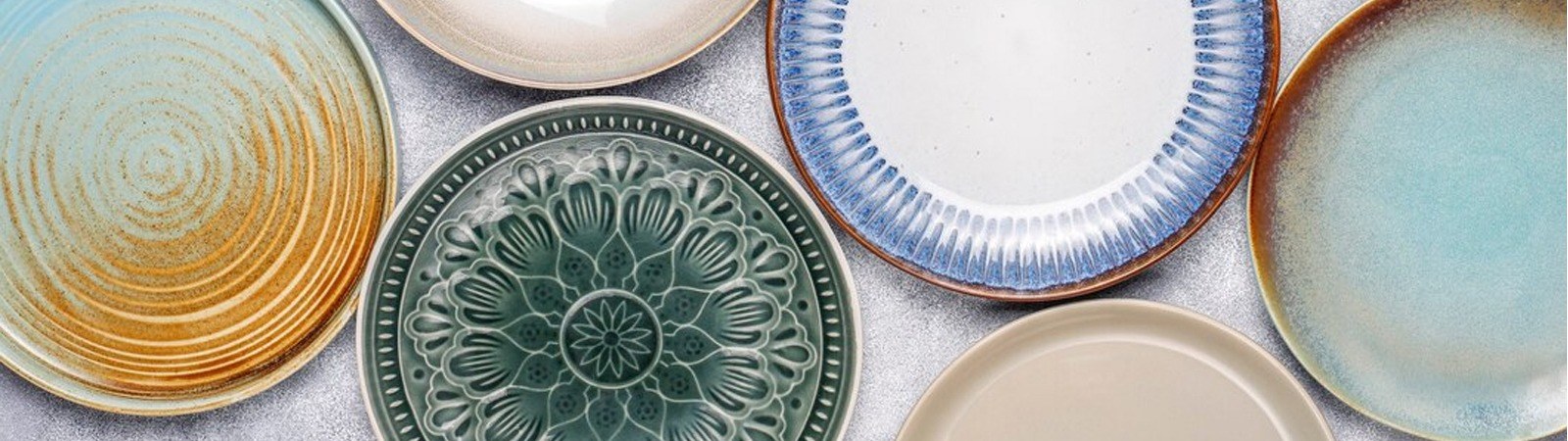
Step 1: Define Your Needs
When starting your search for dishes, it is essential to determine your exact needs in order to choose the appropriate set. Specifically:
What will be the frequency of use?
1) Daily Use
If you use dishes daily, you will need a set that is durable and suitable for frequent washing.
2) For Special Occasions
If they are intended for special occasions, you can opt for a more refined set made of fine porcelain.
How many and what types of dishes do you need?
1) Dinner Plates
Determine how many dinner plates you need for daily meals based on the number of family members, and add a few extra for friends and guests.
2) Soup Plates
If you frequently eat soups, consider adding soup plates to your list. Naturally, these should also correspond to the number of family members and guests.
3) Dessert/Fruit Plates
Naturally, you cannot do without plates on which to serve your sweetest creations.
4) Salad Bowls
A salad should always be present at the table, so choose a set that includes a salad bowl. If you are a salad lover, you may want to add extra individual salad bowls to your collection for a variety of salads at your table.
Based on the above needs, determine the total number of dishes that will make up your set. By carefully defining your needs, you can select a dish set that not only meets your daily requirements but also serves special occasions. If the dinnerware sets do not match the number of plates you need, you can choose individual plates and add the exact quantity required to your cart or even mix and match different colors and designs.
Step 2: Choose the Material of the Dishes
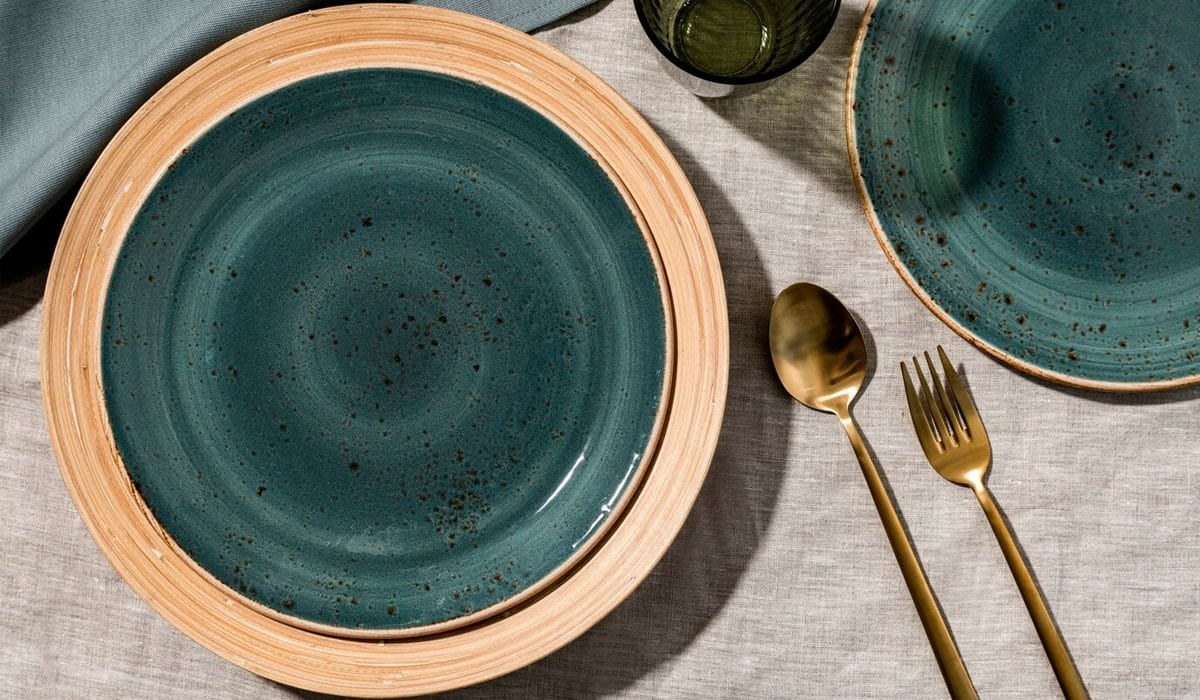
Various types of dish materials are available. Keep in mind that each material has its own pros and cons, so researching before purchasing is always a wise move. Let’s take a look at the most commonly used materials for dish production:
Porcelain Dishes
Choosing porcelain dishes is a wise decision for many reasons, reflecting the superior quality and elegance of this material. Porcelain is a high-quality material produced by heating raw materials, typically including kaolin clay, in a kiln at temperatures between 1,200°C and 1,400°C. The hardness, durability, and translucency of porcelain primarily result from the formation of glass and minerals within the fired body at these high temperatures. Porcelain dinnerware varies in price range and offers:
Hygiene: Porcelain does not retain odors or flavors, ensuring the pure taste of food.
Heat Resistance: Porcelain plates can be safely used in the oven, withstanding high temperatures without damage.
Durability: Porcelain is known for its durability. It is more resistant to impacts and wear, making it suitable for daily use.
Easy Maintenance: Porcelain surfaces are easy to clean and retain their whiteness, saving time while maintaining their appearance.
Refined Appearance: Porcelain provides a smooth, glossy surface that exudes sophistication. Its white base enhances the presentation of food, adding to the visual appeal.
Ceramic - Earthenware Dishes
Opting for ceramic dishes means investing in functional and beautifully designed tableware that will enhance both the aesthetics and practicality of your kitchen:
Easy Maintenance: Ceramic dishes are generally easy to clean, saving time and effort.
Heat Retention: Ceramic dishes keep food warm for longer, adding to the dining experience.
Eco-Friendly: Typically made from natural materials, ceramic dishes are environmentally friendly.
Suitable for Daily Use: Ceramic is durable for everyday use, withstanding frequent washing and handling.
Versatility: With a wide variety available, you can find dishes suitable for every occasion, from daily meals to special events.
Natural Look: Ceramic dishes offer numerous design, color, and texture options, easily adapting to the style and decor of your kitchen.
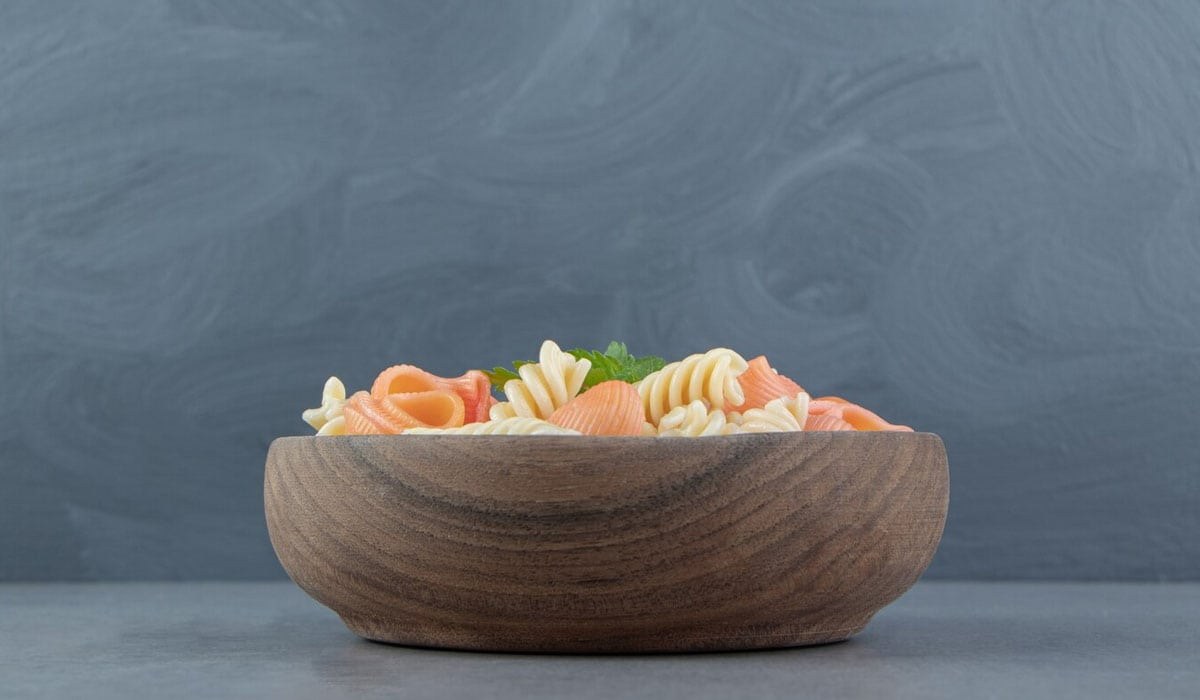
Wooden Dishes
Choosing dishes made from wood, bamboo, or melamine can be equally interesting and practical. Here are some reasons why you might opt for these materials:
Durability: These dishes are usually very resistant to daily use, enduring drops and impacts.
Easy Maintenance: These dishes are typically easy to maintain, requiring only basic care measures.
Eco-Friendly: By choosing wood or bamboo, you are investing in materials sourced from sustainable sources.
Lightweight: The lightness of these materials makes them easy to handle, especially for daily use and families.
Natural Aesthetic: Wooden, bamboo, or melamine dishes offer a warm, natural look that harmonizes with various decor styles.
Variety of Designs: A wide range of designs and colors is available, making it easy to find dishes that match your personal preference.
Compatible with Other Utensils: Wooden, bamboo, or melamine dishes can easily be paired with other kitchenware and accessories.
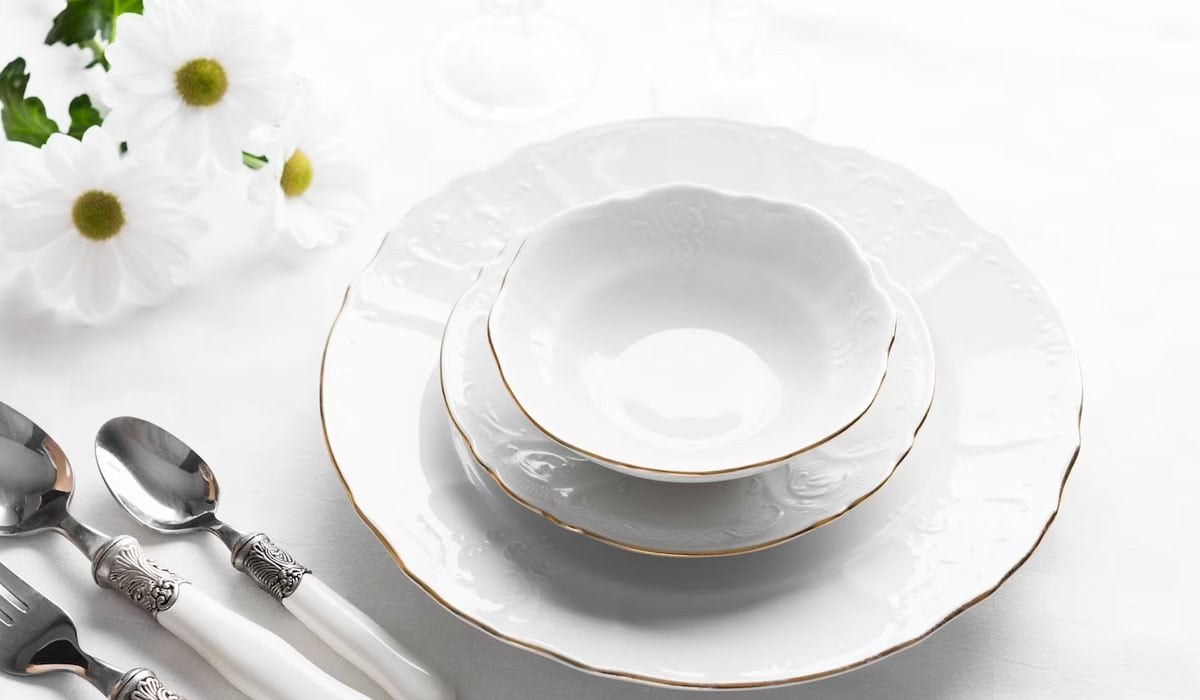
Bone China Dishes
Bone China is a type of soft-paste porcelain consisting of animal bone ash, feldspathic material, and kaolin. It is known for its high levels of whiteness and translucency as well as its remarkable strength. Bone China is a cost-effective choice and is available in various colors and designs. Due to its strength, manufacturers can make it very thin, giving it the advantage of being much lighter than other ceramic pieces. Choosing Bone China dishes is a luxurious and stylish option for your collection. Here are some reasons why you might select this material:
Lightweight: Despite their thinness, Bone China dishes are lightweight and easy to use.
Bright Colors: Bone China dishes retain their colors for a long time, adding vibrancy to the table.
Easy Maintenance: Most Bone China dishes are dishwasher-safe, adding convenience to their upkeep.
Exceptional Durability: Despite being delicate, Bone China is surprisingly resistant to cracks and impacts.
Thinness and Transparency: Bone China is a thin and translucent material, providing a sophisticated look without compromising durability.
Refined Appearance: Bone China dishes are renowned for their high quality and detailed design, offering an elegant appearance to your table.
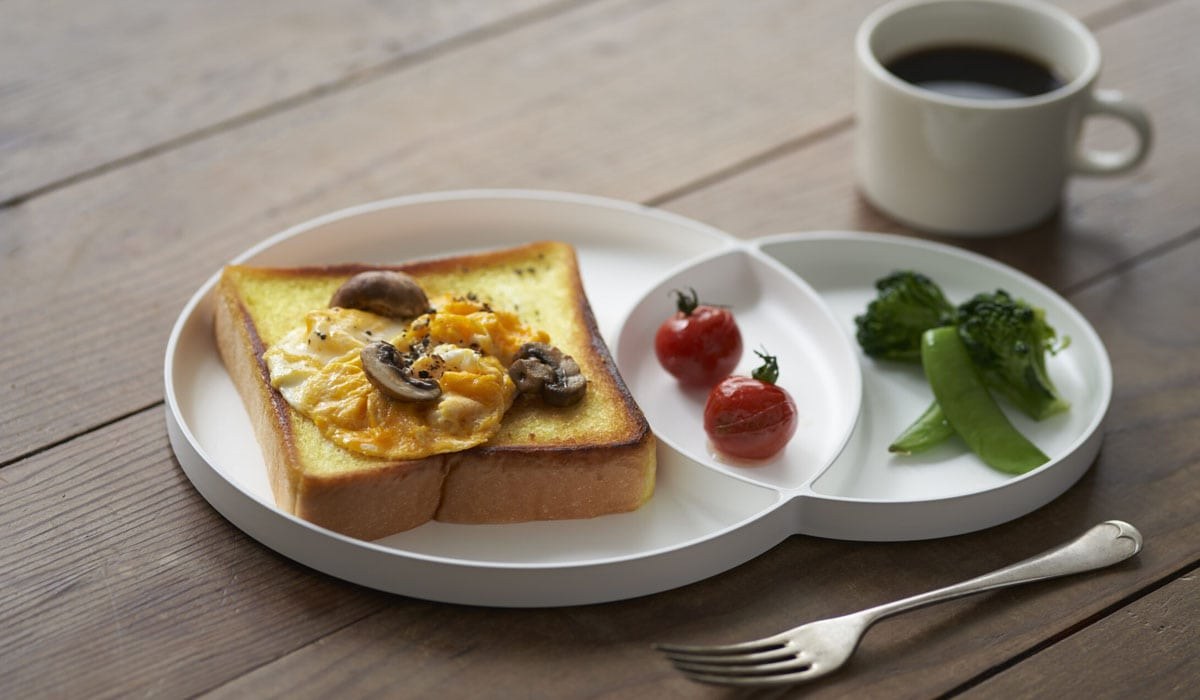
Plastic Plates
The choice of plastic and polypropylene plates is a practical, economical, and durable option, ideal for everyday use and outdoor activities.
Ease of Handling: Due to their lightweight nature and durability, these plates are suitable for use by children.
Lightweight: Plastic and polypropylene plates are extremely lightweight, making them convenient for daily use.
Economical Choice: Typically, plastic plates are more affordable compared to plates made of more luxurious materials.
Variety of Designs: A wide range of plastic plate designs is available, allowing you to choose according to your personal taste.
Easy Maintenance: Almost all plastic and polypropylene plates are dishwasher safe, adding convenience to their maintenance.
Suitable for Outdoor Use: As they do not break easily, plastic plates are perfect for outdoor use, such as excursions and picnics.
Break Resistance: Plastic materials are highly resistant to breakage, making them ideal for environments where the risk of dropping is high.
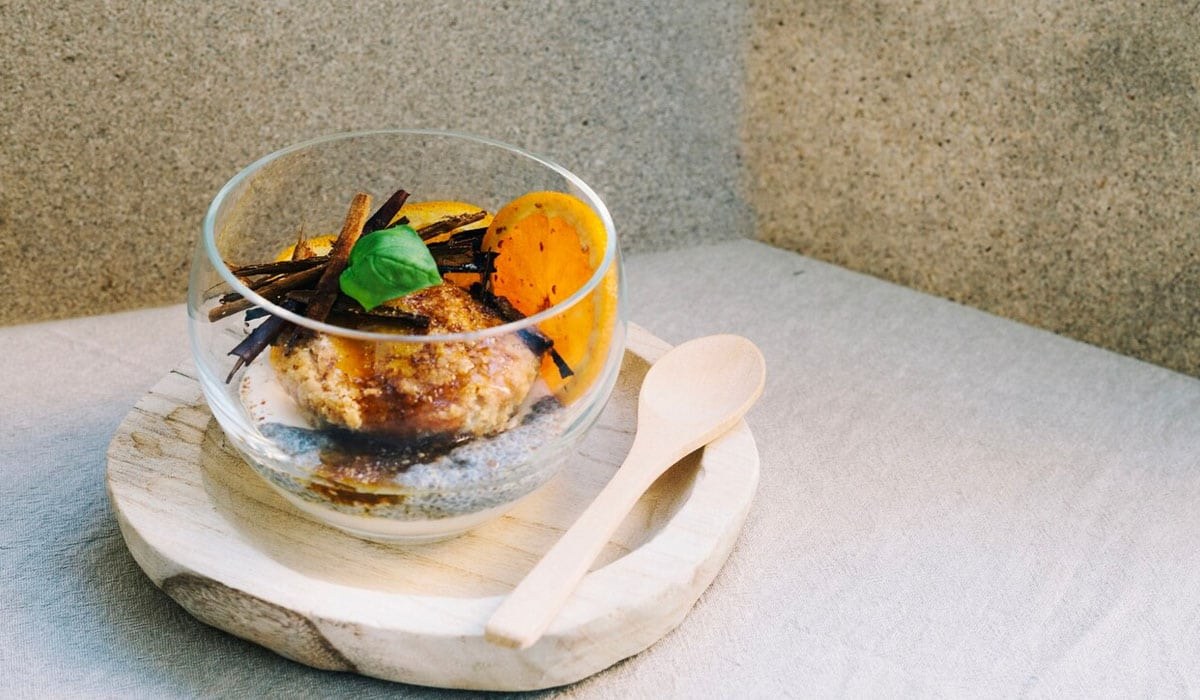
Glass Plates
Opting for glass or opal plates can be an excellent choice for many reasons. Here are some of the advantages of these materials:
Easy Maintenance: Many of these plates are dishwasher safe, ensuring easy cleaning.
Refined Appearance: Glass and opal are high-quality materials that provide a refined look to the plates.
Heat Resistance: Glass and opal plates can withstand high temperatures, making them safe for use in ovens and microwaves.
Lightweight: Despite their sophisticated appearance, glass and opal plates are generally lightweight, offering comfortable use.
Transparency: Some glass plates are transparent, offering a beautiful, crystal-clear appearance that makes them suitable for special occasions.

Metal Plates
The choice between stainless steel or aluminum plates depends on your preferences in terms of style, durability, and intended use. Their key advantages include:
Versatility: Stainless steel and aluminum plates are suitable for everyday use as well as for special occasions.
Maintenance and Cleaning: Both materials are easy to maintain and clean. Most of these plates are dishwasher safe.
Style and Design: Stainless steel or aluminum plates offer a modern and elegant design that can complement your table setting.
Safety: Stainless steel is safe for food use and does not absorb odors or flavors, preserving the natural taste of food. Aluminum is non-toxic and does not alter the taste of food.
Durability: Stainless steel is known for its strength and resistance. Steel plates do not scratch easily and maintain their appearance for a long time. Aluminum plates are lightweight and durable. They are also resistant to high temperatures, making them suitable for oven use.
Step 3: Choose the Type of Plates You Need
In the world of gastronomy, selecting the right plates is crucial for the presentation and enjoyment of meals. Each type of plate is an integral part of table decor, combining functionality and aesthetics. Choose the appropriate plate for each use to elevate the appearance and enjoyment of your meals.
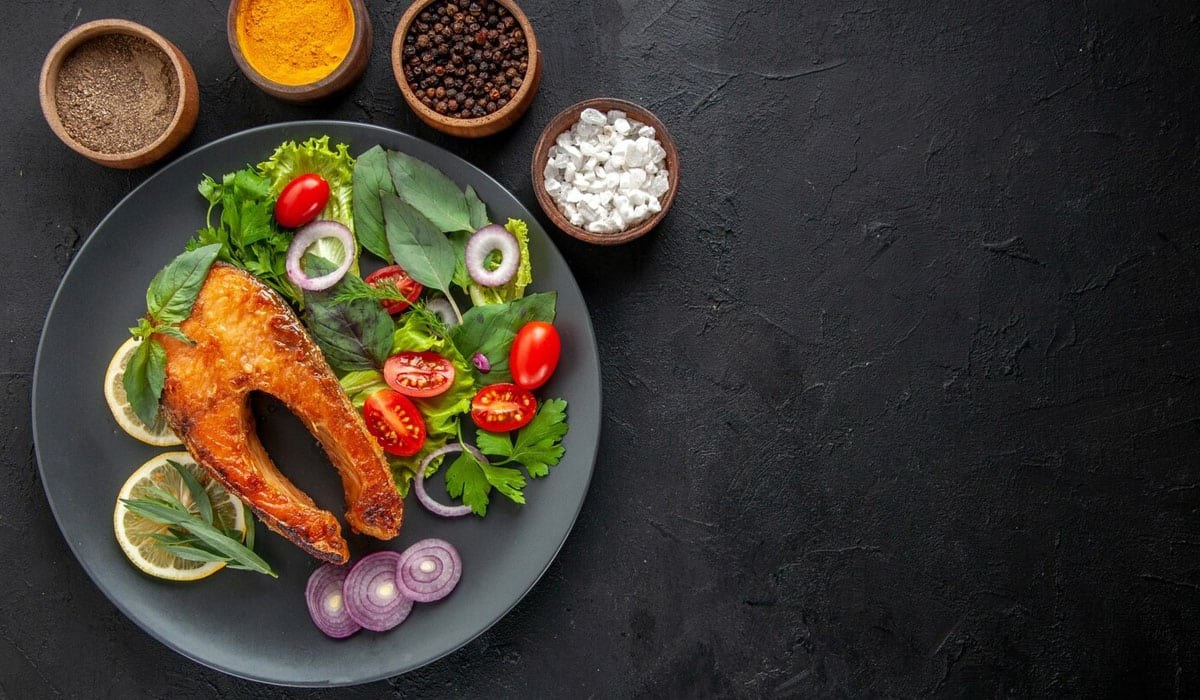
Dinner Plate
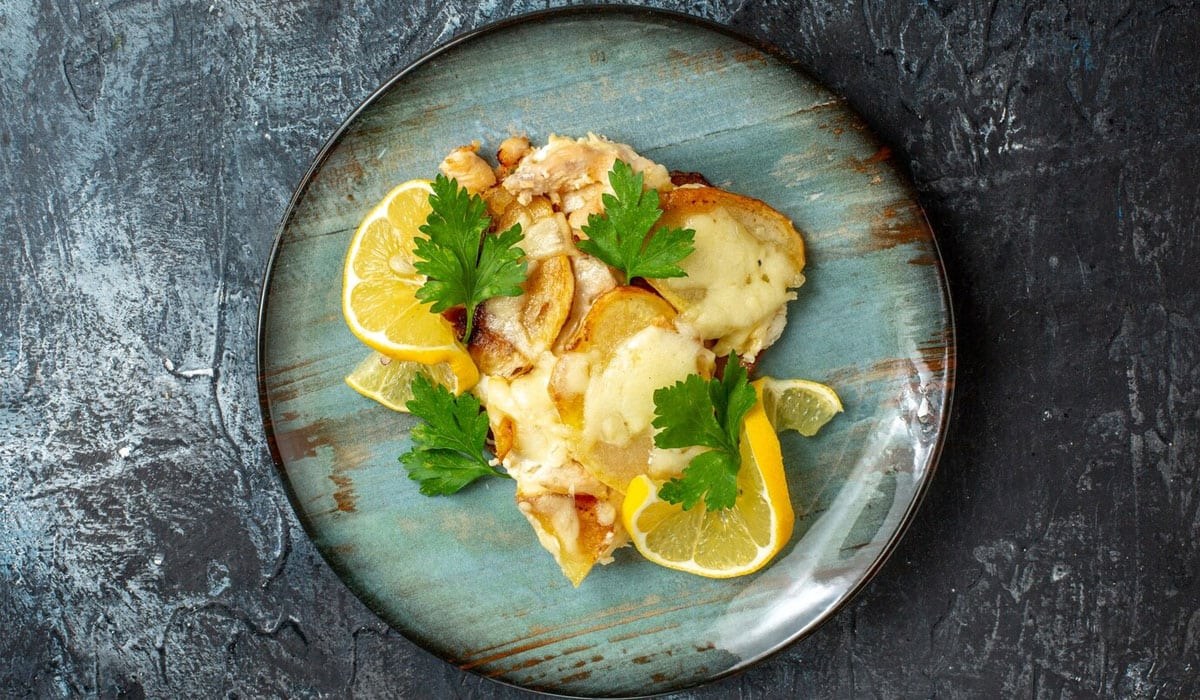
A flat plate with a slightly curved edge to facilitate food collection with cutlery. It is used for the main course during a meal. Suitable for main dishes, meat, fish, vegetables, etc.
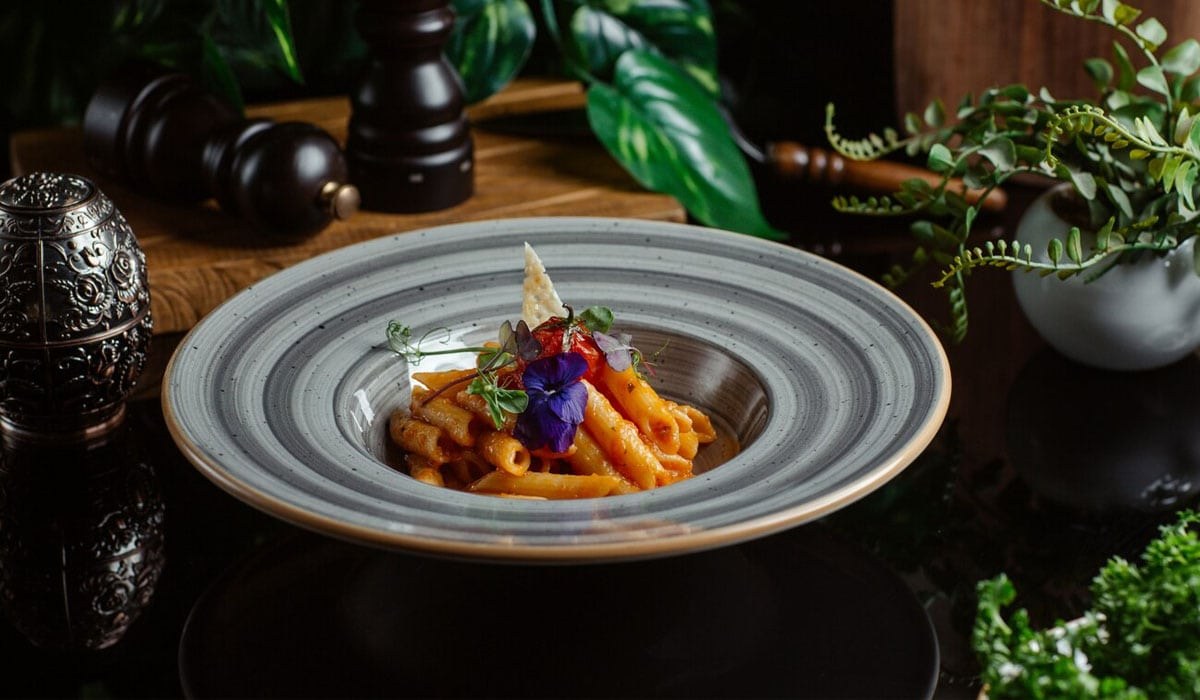
Pasta Plate
Circular with a wide rim and deep enough to "nest" pasta beautifully. Suitable for pasta, spaghetti, risotto, velouté soups, and gourmet salads.
Soup Plate
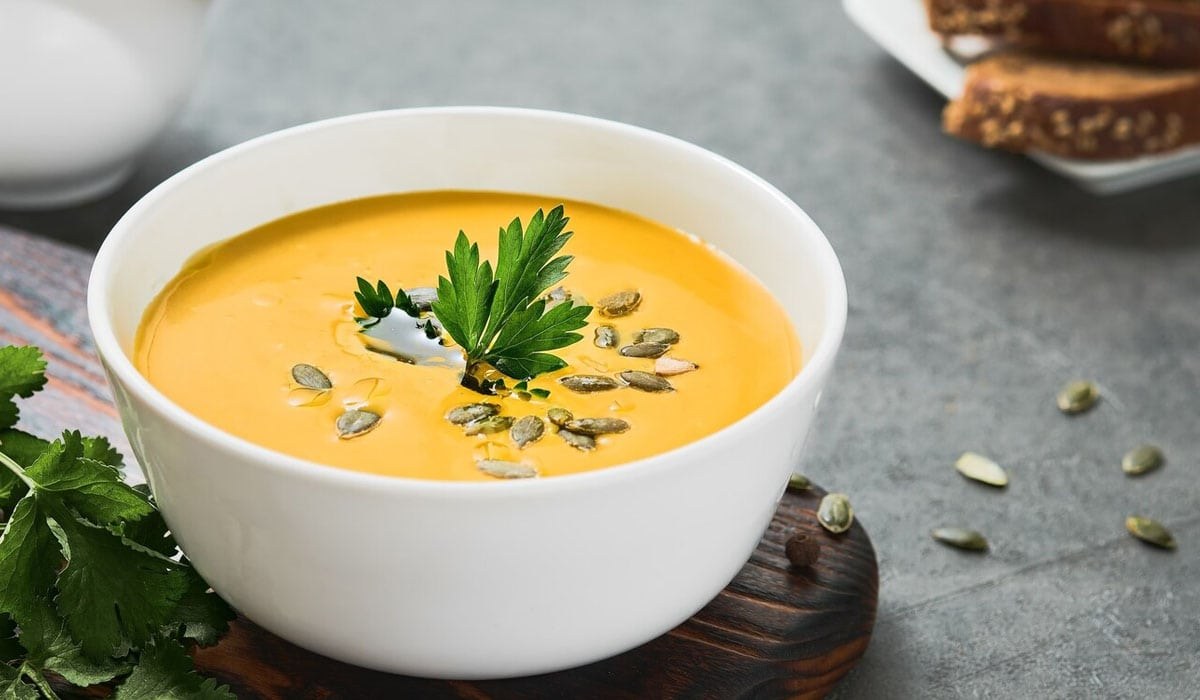
A deep plate with a wide opening, designed to hold soups and ensure ergonomic use for optimal enjoyment. Suitable for all types of soups, risottos, pasta dishes, etc.
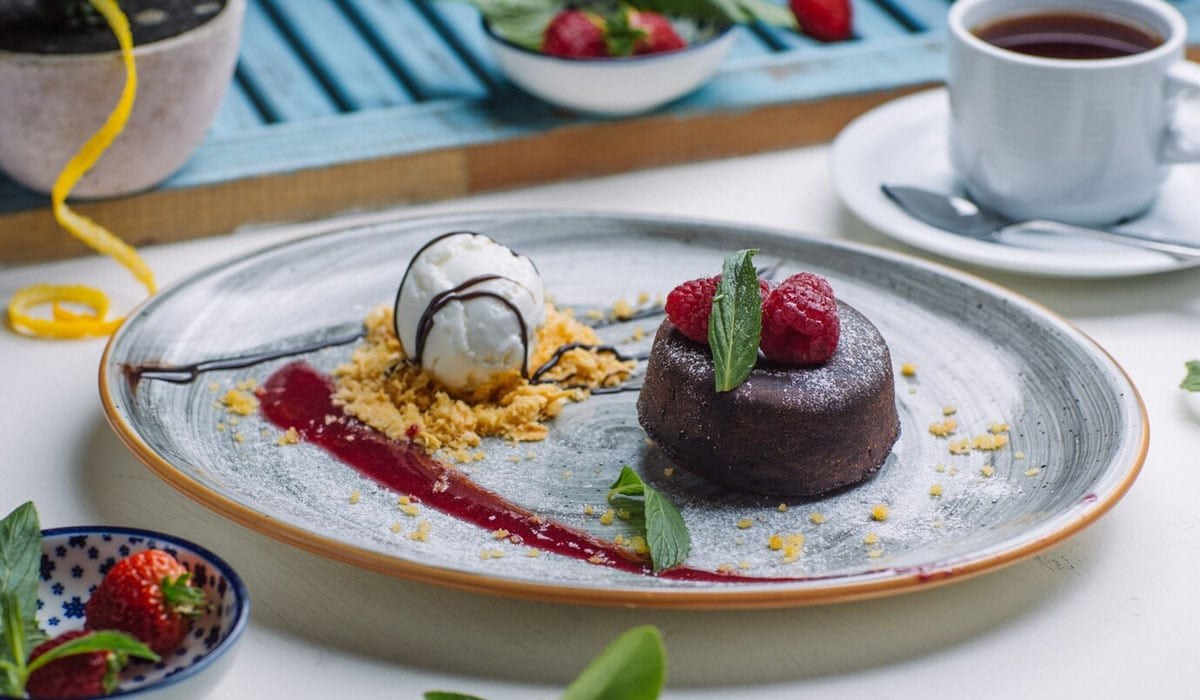
Dessert Plate
A small plate, usually with a slightly curved rim. Ideal for serving desserts, cakes, appetizers, and fruits.
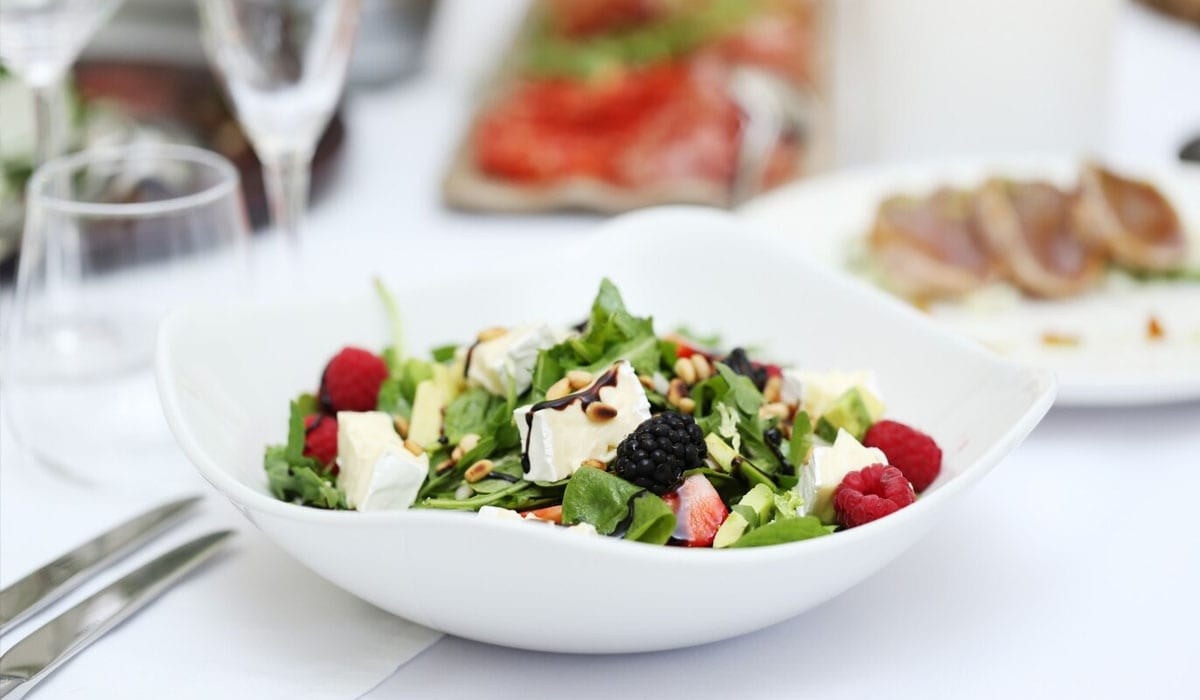
Salad Bowl
Essentially a large, deep plate resembling an oversized bowl, designed to hold salads and allow easy mixing of ingredients. Suitable for vegetable, fruit, pasta, and legume salads.
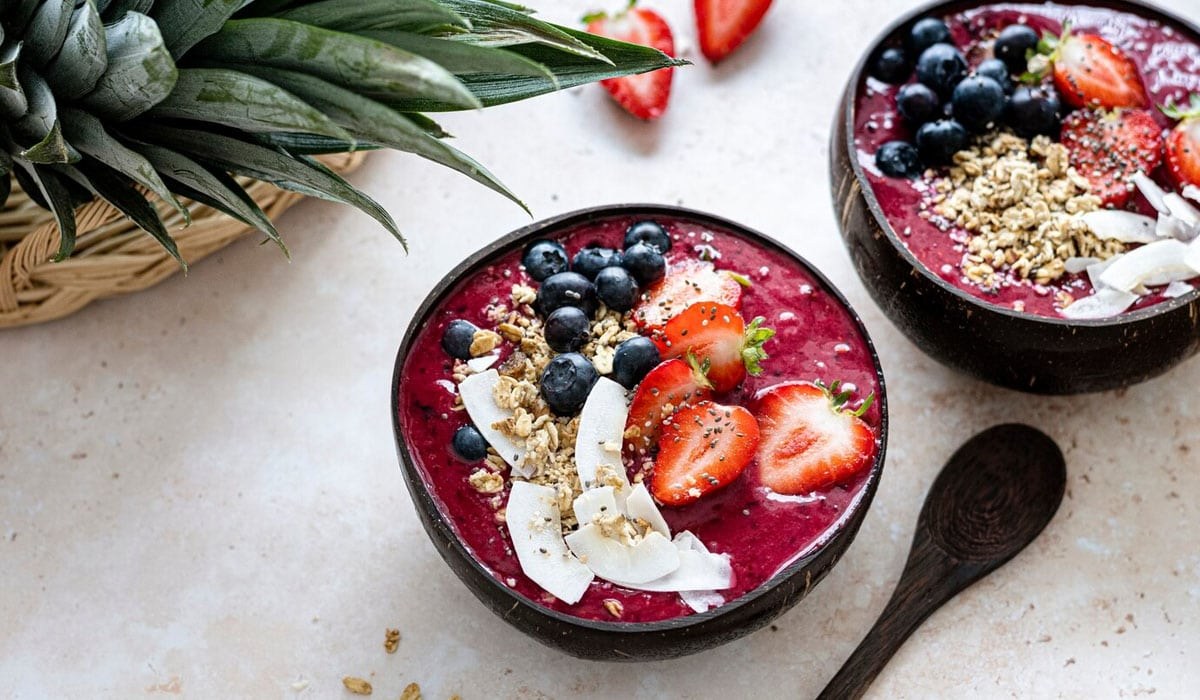
Bowl
A deep, concave dish with a wide opening. Suitable for soups, cereals, fruits, salads, ice cream, etc.

Serving Platter
Larger than a dinner plate, usually shallow, as it is used for serving meats, side dishes, appetizers, and other culinary creations that do not contain broth. However, deep platters are also available for dishes with sauces, purées, etc.
Step 4: Choose the Color of Your Plates
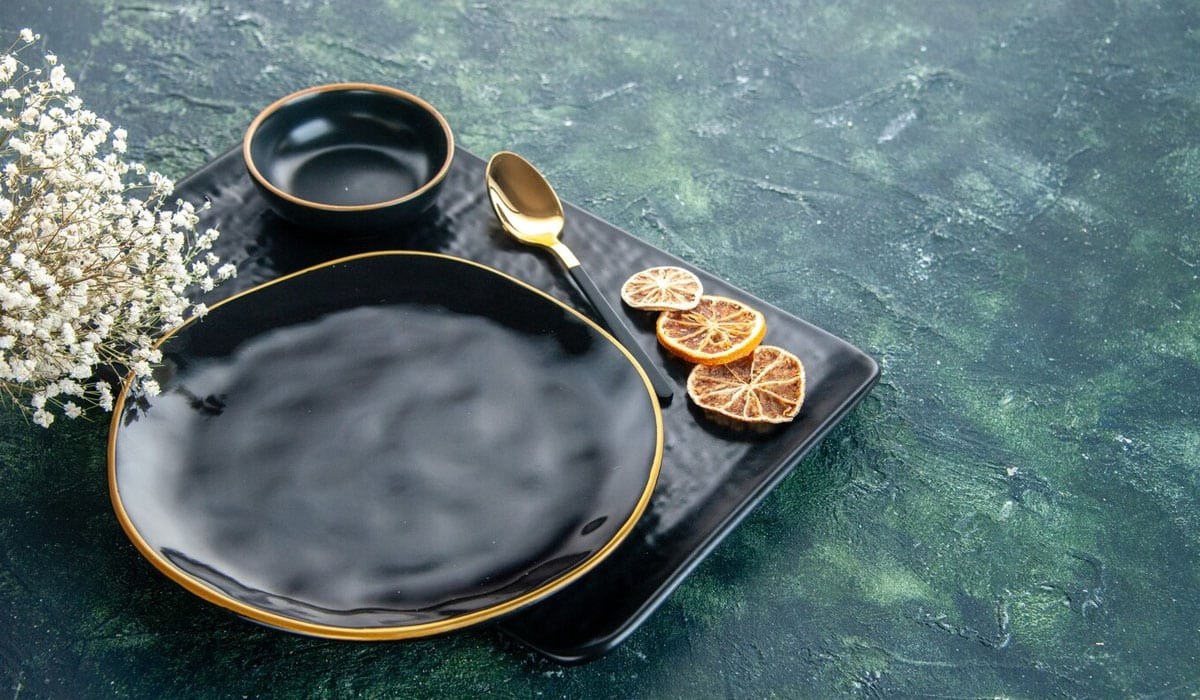
The choice of plate color is an important decision that affects both the appearance of the table and the appeal of the food. Here are some things to consider when selecting plate colors:
- Overall Kitchen and Dining Room Design: Consider the overall design of your kitchen and how the plates will complement the space. If your kitchen has bold wall or furniture colors, you may want plates that match or contrast with them.
Personal Preference: Choose colors that you like and that reflect your personal style. If you prefer a classic look, you may want plates in traditional colors. If you seek something more subtle, you can opt for pastel or metallic shades.
Ease of Combination: Select colors that are versatile and easy to pair with other shades, such as white. A set of plates in basic colors can be adapted more easily to different themes and seasons.
Season and Climate Conditions: Consider the season and climate of your location. Bright colors may be more suitable for summer, while warm colors can create a cozy atmosphere in winter.
Maintenance and Cleaning: Think about how easy the plates are to clean and maintain. Bright colors and patterns may conceal stains better than dark colors.
The colors of the plates play a significant role in the dining experience and the overall kitchen aesthetics. Each color has its own characteristics and influences various factors, such as spatial perception, ease of combination, and cleanliness. Here are some thoughts on each color:
- White: Classic, clean, and versatile. It gives a sense of freshness and timeless elegance. Easy to pair with any decor style and ideal for everyday use.
Gray: Sophisticated and modern, adding a refined touch to your table setting.
Black: Dramatic and elegant. Adds style and is perfect for special occasions or for those who use colorful ingredients and want them to contrast with the dark plate.
Beige: A warm, friendly color that creates a cozy atmosphere.
Green: An optimistic color that enhances your table’s beauty and brightens your daily mood.
Blue: Has a calming effect on human psychology, creating a relaxing atmosphere. It is also often associated with the ocean and natural serenity, making it ideal for seafood dishes.
Red: Bold and passionate. Creates a striking presence and, according to color psychology, red is known to stimulate appetite.
Pink: Sweet, romantic, and often linked to festive occasions.
Brown: Warm and inviting, perfect for creating a table setting that exudes a sense of familiarity.
Multicolored: Vibrant and cheerful, creating a lively and joyful atmosphere.
The information below is required for social login
Sign In
Create New Account