


Glasses Shopping Guide
Are you in the process of searching for new glasses to equip your kitchen or bar? Then you are on the right path, as this guide will help you select exactly what you need for every type of drink. Did you know that certain drinks taste better when served in specific glasses?
Let’s take a look at the must-have glasses you should equip your kitchen or bar with to fully enjoy your favorite beverages:

Step 1: What type of glass should I choose?
Start building your collection by considering the drinks you consume most frequently. Begin by acquiring the glasses you will need the most, and gradually expand your collection with other types of glasses. This way, you will complete your set and impress your guests with the variety and appropriateness of the glasses in which you serve their favorite drinks.

Wine Glasses
Almost everyone knows that wine is traditionally served in stemmed wine glasses. But are all stemmed glasses suitable for every type of wine? Of course not! The shape of the glass can influence the taste of the wine, as the amount of air exposure affects the aftertaste and brings out different aromas.
Red Wine: Red wine glasses are taller and have a wider, more spacious bowl compared to white wine glasses. This provides red wine with ample space to interact with the air, allowing its bold and intense flavors to develop. For this reason, it is best never to fill a glass beyond its widest point. There are also different styles of red wine glasses suited to different wines. The Bordeaux glass, for instance, is ideal for Bordeaux wines like Cabernet Sauvignon and Merlot, as its wide bowl allows the wine to interact with oxygen in the air. A Burgundy glass, on the other hand, has a wider rim, making it perfect for wines with delicate aromas and refined flavors, such as Pinot Noir. Capacity: 350-600 ml.
White Wine: White wine does not require as much aeration as red wine, so its bowl is slightly narrower, as is its rim, which helps lock in the aromas, wine tasting is often a combination of taste and scent. Since white wine is typically served chilled, the glass should be held by the stem to prevent heat transfer from your hand to the drink. Capacity: 300-480 ml.
Rosé Wine: For rosé wines, you will also want to choose a glass with a narrow bowl and long stem to keep the wine cool and preserve its fruity notes. A glass with a wide bowl and long stem is designed primarily for young, crisp rosé wines that are less sweet than older vintages. On the other hand, for more mature, full-bodied rosé wines, choose a stemmed glass with a slightly tapered bowl. Capacity: 230-350 ml.

Champagne Glasses
Although technically a sparkling wine, champagne benefits from the exact opposite treatment compared to regular wines. The presence of bubbles requires a reduced surface area and minimal aeration, the less exposure to oxygen, the longer the bubbles last. This is why the classic and most common type of champagne glass is the tall and slender flute, which helps retain the bubbles for a longer time.
Flute Champagne Glasses: Characterized by their long and elegant proportions, flute glasses are ideal for serving champagne. Their narrow bowl and tall sides allow the bubbles to rise and last longer, creating a visually appealing effect and enhancing their sparkle. Additionally, a tall stem prevents the heat from your hands from affecting the champagne’s temperature, as it should be consumed chilled. Capacity: 170 ml.
Coupe Champagne Glasses: In recent years, coupe champagne glasses have also become a popular choice. If there were ever a glass that could evoke nostalgic thoughts of past glamour, it would be the coupe. It features a wide and shallow bowl, originally designed to accommodate a syrupy dessert in the early 20th century. However, due to its shallow bowl, the coupe is not ideal for bubble formation, so avoid using it for particularly exquisite champagnes. Coupe glasses are an excellent choice for champagne cocktails, especially if you wish to serve them with an edible flower or other decorative garnish on the side. Capacity: 200 ml.

Beer Glasses
Do you think beer is only served in pint glasses? Think again! Just like wine, there are many different types of beer glasses, each designed to enhance the characteristics of specific beer styles.
Pint Beer Glasses: Pint glasses are essential for a home bar if you are a beer enthusiast. Your bar should at least be stocked with American pint glasses. These have a simple cylindrical design that is slightly wider at the top than at the bottom and work well with a wide range of lagers and beers. Capacity: 400-600 ml.
Pilsner Beer Glasses: Pilsner glasses have a narrow base and wide rim and are primarily used to serve light beers, as they are designed to highlight their color and clarity. Their shape also helps drinkers fully appreciate the flavor and aroma of their beer. Capacity: 300-480 ml.
Beer Mugs: Sturdy and easy to handle, beer mugs can hold a substantial amount of beer. Their thick glass walls help insulate the beer, keeping it cool for a longer time, and their handles prevent hands from warming the drink unintentionally.
Capacity: 350-650 ml.
Goblets / Chalices: Featuring a bowl-like shape with a short, thick stem, these glasses are considered among the more sophisticated beer glass options and come in a variety of sizes. They are an excellent choice for serving heavy, malty beers, as their wide opening allows beer drinkers to fully appreciate the aromas and overall flavor.
Designed not only to enhance the overall presentation of beer but also to elevate its taste and aroma, there is a whole range of beer glass types.
Cocktail Glasses
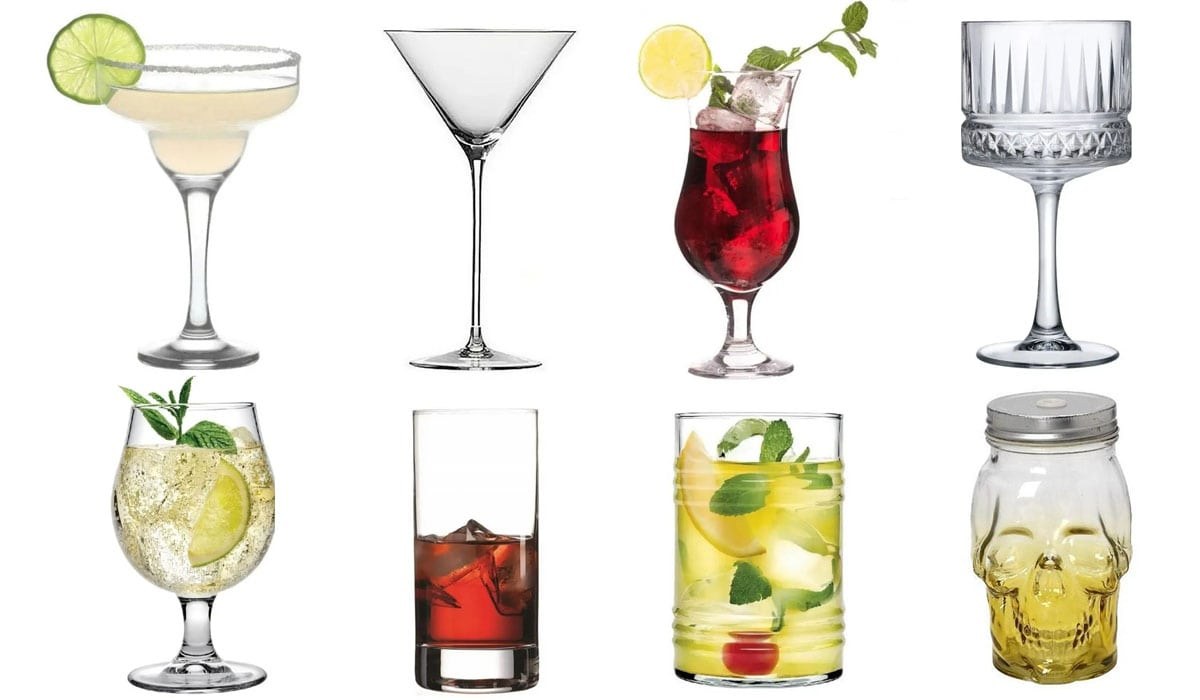
The rules surrounding cocktail glasses are less strict than those for wine, and the necessity for a specific shape is almost nonexistent. While cocktails can be served in almost any glass, here are some of the most iconic options:
Martini Glass: Instantly recognizable by its distinctive V-shaped bowl and wide rim, the martini glass has become a bar staple. You will often see a variety of cocktails served in it, including, of course, the classic martini. It is also ideal for serving Cosmopolitans and Manhattans. Capacity: 200 ml.
Margarita Glass: The margarita glass features a unique design, resembling a hybrid between a champagne flute and a coupe glass. It has a “stepped” bowl design that makes it ideal for fruity drinks. Its rim is often adorned with salt, a signature element of this classic tropical cocktail. Capacity: 240 ml.
Balloon Glass: Spanish-style balloon glasses have been hailed as the best for serving gin and tonic. They provide an exceptional gin experience by effectively trapping the drink’s aromatic qualities, thanks to their wide and spacious bowl. They also feature a slender stem to keep the drink cool. Capacity: 350-600 ml.
Goblet Glasses: Goblets are an excellent choice for cocktails, much like coupe champagne glasses, and are suitable for daiquiris, negronis, and any other cocktails you might prepare in your home bar. Capacity: 240-480 ml.
Poco Grande Glass: Poco grande, also known as pina colada glasses, are deep glasses with a tall, stemmed base and a distinctive bowl shape resembling a pineapple, as they are wide at the base, narrow at a point above the middle, and widen again at the rim. They are ideal for frozen cocktails. Capacity: 390 ml.
Tiki Mug Glass: The most unique and eccentric cocktail glasses are, of course, tiki mugs, which are typically made from ceramic material with a glazed exterior coating, and their appearance suggests a native totem. Capacity: 400-650 ml.
Highball & Collins Glasses: Highball and Collins glasses are tall, slender glasses, ideal for cocktails, soft drinks, and juices. They are very similar and can be used interchangeably, although Collins glasses are usually slightly narrower and taller than Highball glasses. Traditionally, Collins glasses are used for the eponymous cocktail – the Tom Collins, which is made from gin, lemon juice, sugar, and carbonated water, although it can also be made with vodka or tequila. Highball glasses are an excellent choice for mojitos, zombies, and others. The capacity of a Collins glass ranges from 350 ml to 410 ml, while that of a highball glass ranges from 240-360 ml.

Whiskey Glasses / Lowball Glasses
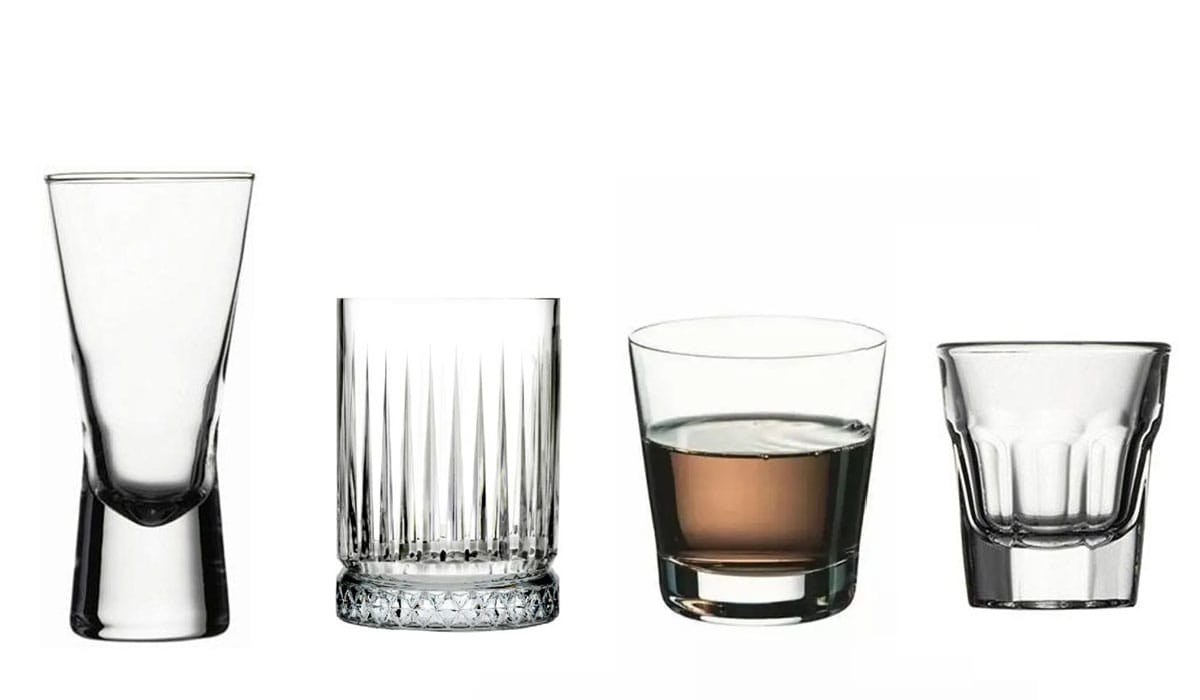
Short and sturdy, these glasses are great for many drinks. They are perfect for serving beverages with ice, such as your favorite whiskey on the rocks or diluted with water. You can opt for a lowball glass with a thick base (Double Old Fashioned tumbler) for a more robust appearance or a glass with a diamond-cut pattern for a touch of elegance. Whiskey glasses typically have a cylindrical shape with a slightly narrower base. Capacity 180-350 ml.

Water Glasses
Water glasses are essential in every household, as they are used multiple times daily. They come in a variety of shapes, colors, and designs, allowing you to choose between simpler options for everyday use and more distinctive, stemmed, or colored glasses for special occasions. Water glasses typically have a simple and functional shape with a wider rim, making it easy to drink from and refill. Transparent glass is the most common choice for water glasses, as it allows you to see the contents and assess the water level. Their capacity generally ranges from 300 ml to 600 ml.

Cognac / Brandy Glasses
Undoubtedly, the most famous glass for cognac and brandy is the snifter. Its balloon-shaped design is well-known for its exceptionally wide, slightly flattened bowl, narrow opening, and short stem. The snifter is a favorite choice among cognac enthusiasts, as its tulip shape directs the drink directly to the tip of the tongue for a fuller flavor experience. Snifters are also used for serving aged brown spirits such as bourbon and whiskey. Due to their design, any spirit poured into these glasses has a large surface area, allowing evaporation to occur easily, while the narrow opening helps trap the resulting aromas. The rounded bottom also enables the drink to be warmed by the drinker's hand, enhancing the drinking experience. Capacity: 200-400 ml.

Ouzo / Liqueur Glasses
Liqueur and ouzo glasses are typically found in elegant settings such as banquet halls or ballrooms. They are designed for serving strong, refined liqueurs meant for slow consumption. While they hold a similar amount of liquid as shot glasses, they usually feature a stemmed base, which helps maintain the drink’s cool temperature and adds to the glass’s sophistication. Capacity: 60-90 ml.
Coffee / Freddo Glasses
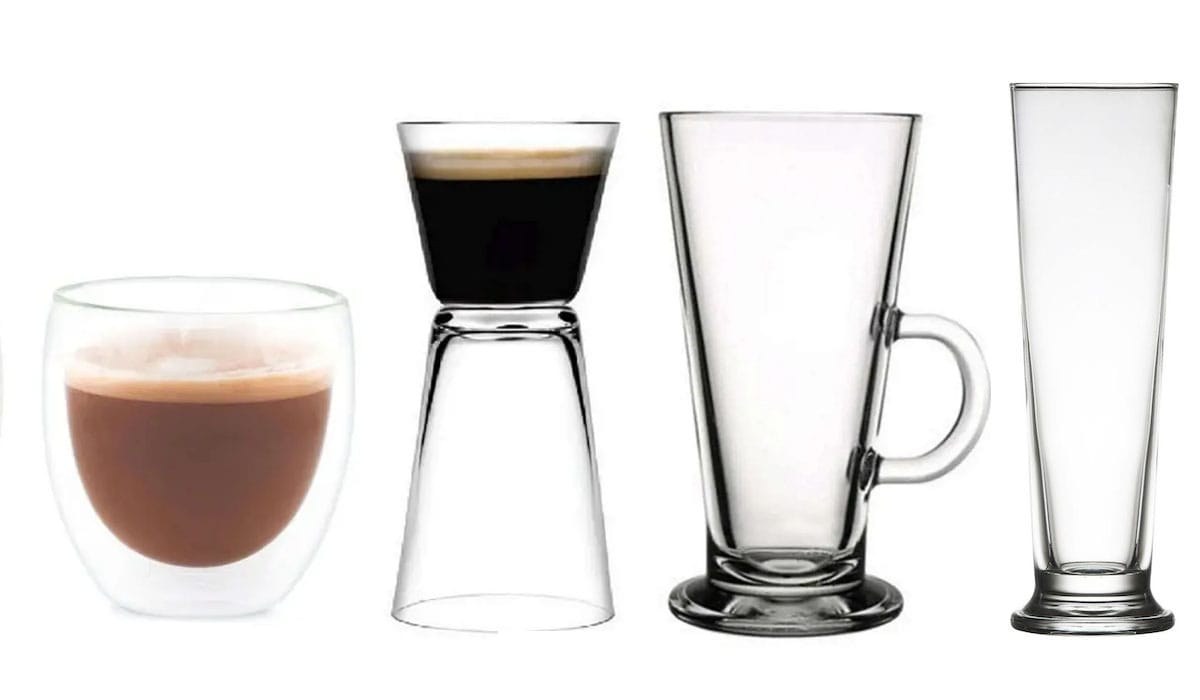
Glass coffee cups are primarily chosen for cold coffee beverages, which is why they have a large capacity to accommodate ice or additional ingredients. A coffee glass has a wide and deep shape to hold the coffee, ice, and any other components. A slightly curved base can help highlight the coffee’s aromas. Many coffee glasses feature a handle or a stemmed base to prevent the hand from becoming cold and to keep the coffee from warming up due to body heat. Capacity: 200-400 ml.
Shot Glasses
Shot glasses have a thick base and are made of heavy glass to prevent breakage when tapped against counters. They come in a variety of different shapes and styles. They are ideal for serving shots of your favorite spirits or even traditional drinks such as raki, rakomelo, or tsipouro (for those who prefer it neat). Capacity: 30-60 ml.
Step 3: What Materials Are Glasses Made From, and Which Should I Choose?
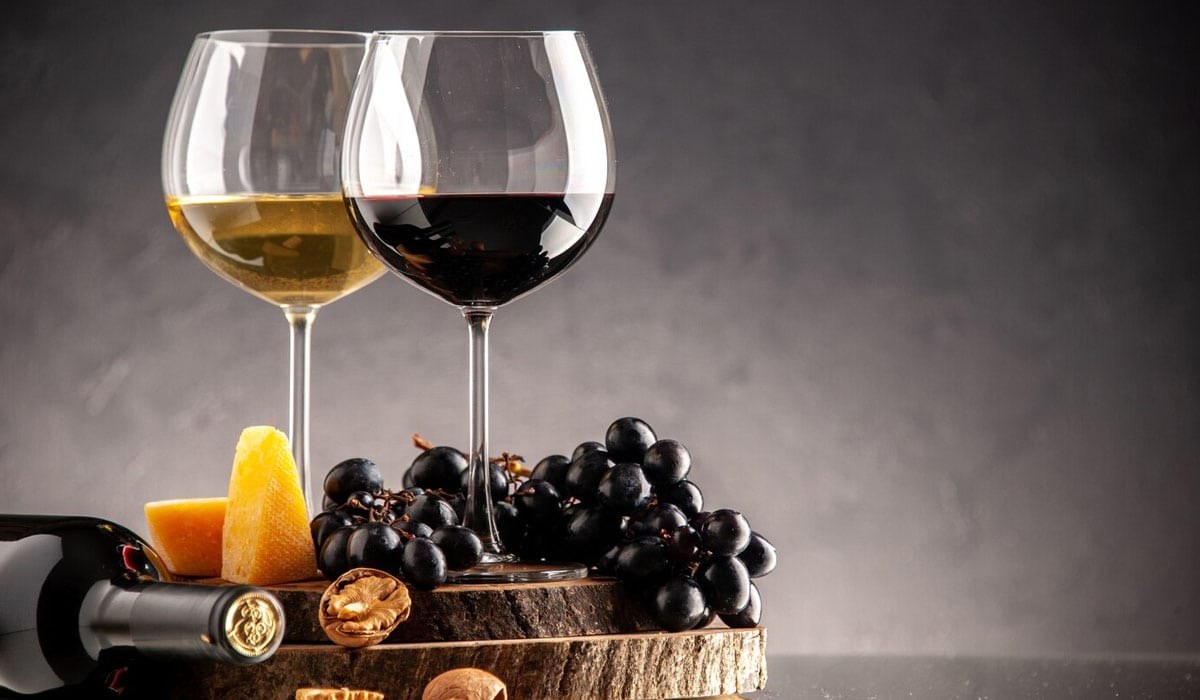
Glasses are made from various materials, each with distinct characteristics. Some of the primary materials used in glass production include:
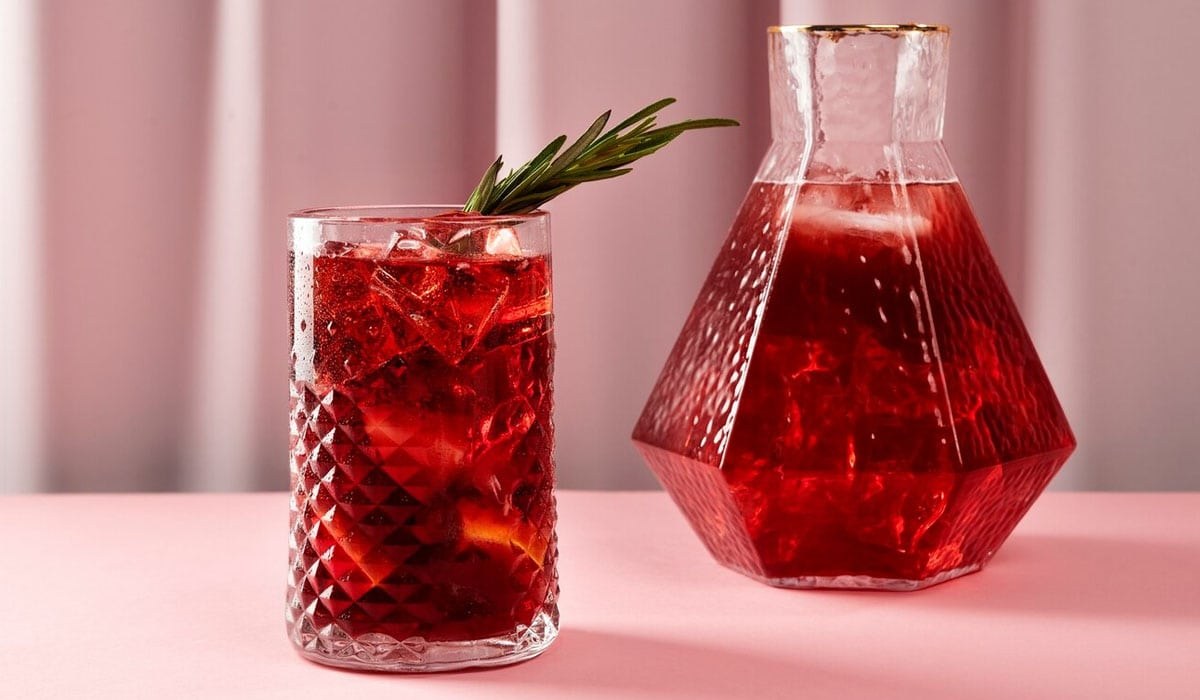
Glassware
Most glasses are made from glass. Here are several reasons why you should opt for glassware when serving your drinks:
- Transparency and Elegance: Glass is entirely transparent, offering a brilliant appearance to your drink. This allows you to appreciate its aesthetic, assess its color, and enhance its aromatic profile.
- Durability: Glass is resistant to corrosion over time and does not react with the chemicals found in beverages. This ensures that the taste and aroma of your drink remain unaltered.
- Temperature Retention: Compared to plastic, glass retains a drink’s temperature for a longer period, keeping beverages cold or hot for extended enjoyment.
- No Flavor Alteration: Glass does not enhance or change the taste of a drink. It does not add or remove flavors, allowing you to enjoy your beverage as it was intended.
- Eco-Friendly Choice: Glass is recyclable and environmentally friendly. Choosing glassware helps reduce plastic waste.
- Suitable for All Types of Drinks: Glass is ideal for serving all kinds of beverages, from wine and beer to cocktails and soft drinks.
- Easy to Clean: Glass is easy to wash and maintain, whether by hand or in a dishwasher.
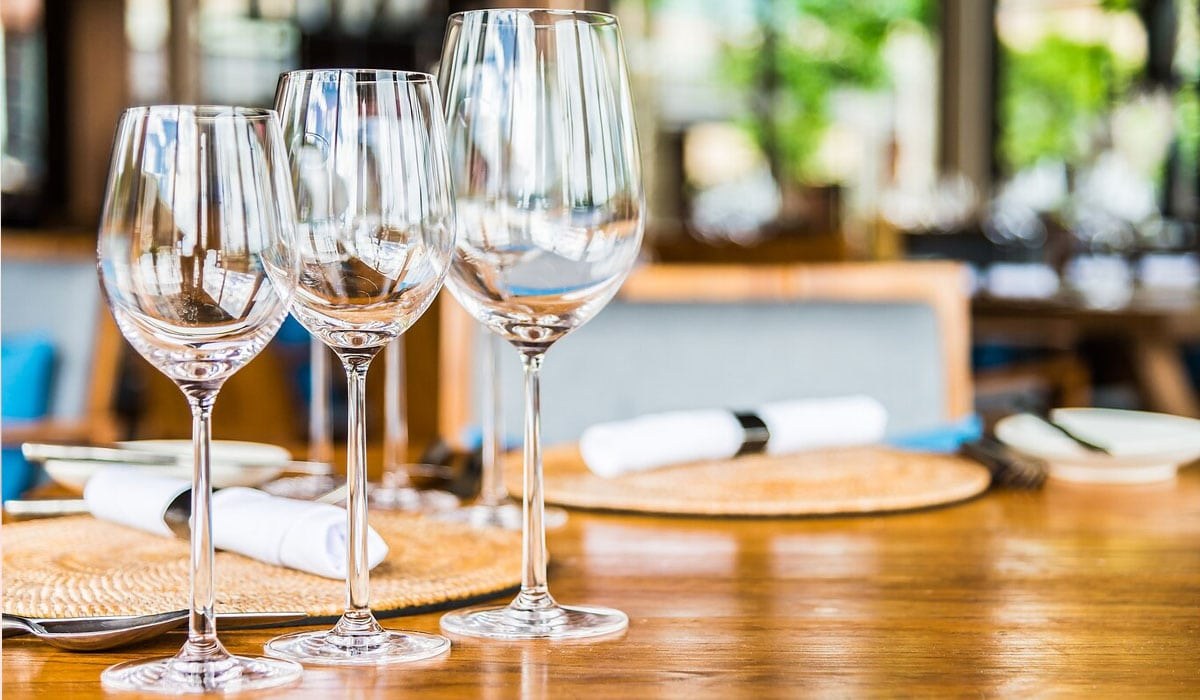
Crystal Glasses
Crystal glasses is a highly popular and refined choice for serving beverages. Here are some key reasons why you might choose crystal glasses:
- Quality and Brilliance: Crystal is known for its high quality and sophisticated appearance. Crystal glasses have a unique shine that adds a luxurious feel to any table setting. This is due to their high lead content, which gives them their signature sparkling clarity.
- Intricate Design: Crystal glasses often feature intricate and sophisticated designs. These fine details contribute to an elegant serving experience.
- Temperature Retention: Like glass, crystal maintains the temperature of a beverage for longer, ensuring that drinks are enjoyed at their optimal temperature.
- Enhances Flavor: Crystal does not alter the flavor of a beverage, allowing you to savor the true taste of your drink.
- Specialized for Certain Beverages: Crystal glasses are often specifically designed for certain types of drinks, such as wine, Scotch whisky, and cognac, enhancing the overall drinking experience.
- Luxury Gift Option: Crystal glasses make excellent gifts for special occasions such as weddings, anniversaries, and celebrations.
- Sophisticated Enjoyment: Crystal glassware represents an elegant and refined approach to beverage enjoyment, enhancing the ambiance of any special occasion.
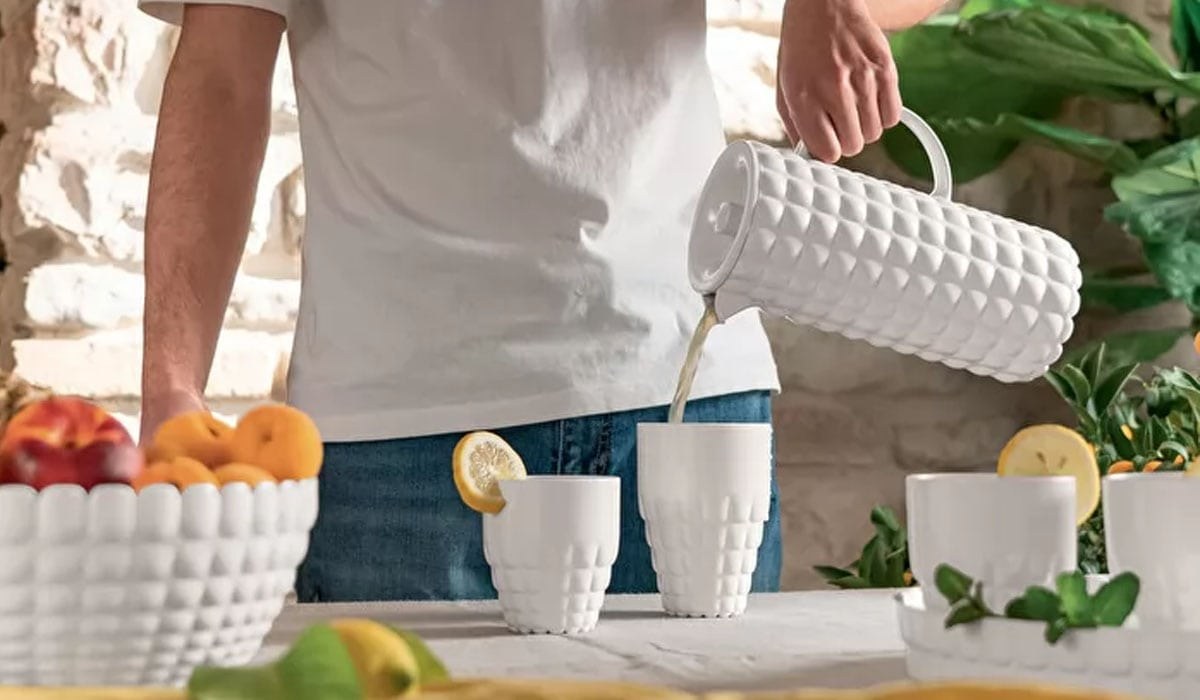
Plastic Glasses
Choosing glasses made from plastic, polyester, acrylic, polystyrene, or other synthetic materials can be suitable for specific purposes and occasions. Here’s why you might opt for plastic glasses:
- Safety: They are shatter-resistant, making them safe for children and for use in environments where breakage is a concern (e.g., pools, outdoors, beaches, etc.).
- Outdoor Activities: For outdoor entertainment such as picnics, camping, festivals, and concerts, plastic glasses are practical due to their lightweight nature, durability, and ease of transport.
- Affordability: Plastic glasses are usually budget-friendly and available in large quantities at a low cost, making them ideal for large gatherings.
- Easy to Clean: Plastic glasses are easy to wash and maintain, either by hand or in a dishwasher.
- Versatility: They come in many designs and colors, offering various styling options for events.
However, it’s important to note that plastic glasses do not provide the same sense of luxury and elegance as glass or crystal.
Beyond these common materials, glasses can also be made from metal, porcelain, or bamboo. These options offer exceptional durability and resistance to everyday wear. Metal glasses maintain the temperature of beverages—whether hot or cold—for longer periods, enhancing the drinking experience. Bamboo glasses are environmentally friendly, as bamboo is a rapidly renewable material. Lastly, porcelain glasses are unique and provide a more luxurious presentation for your drink.
Step 4: What Color Glasses Should I Choose?
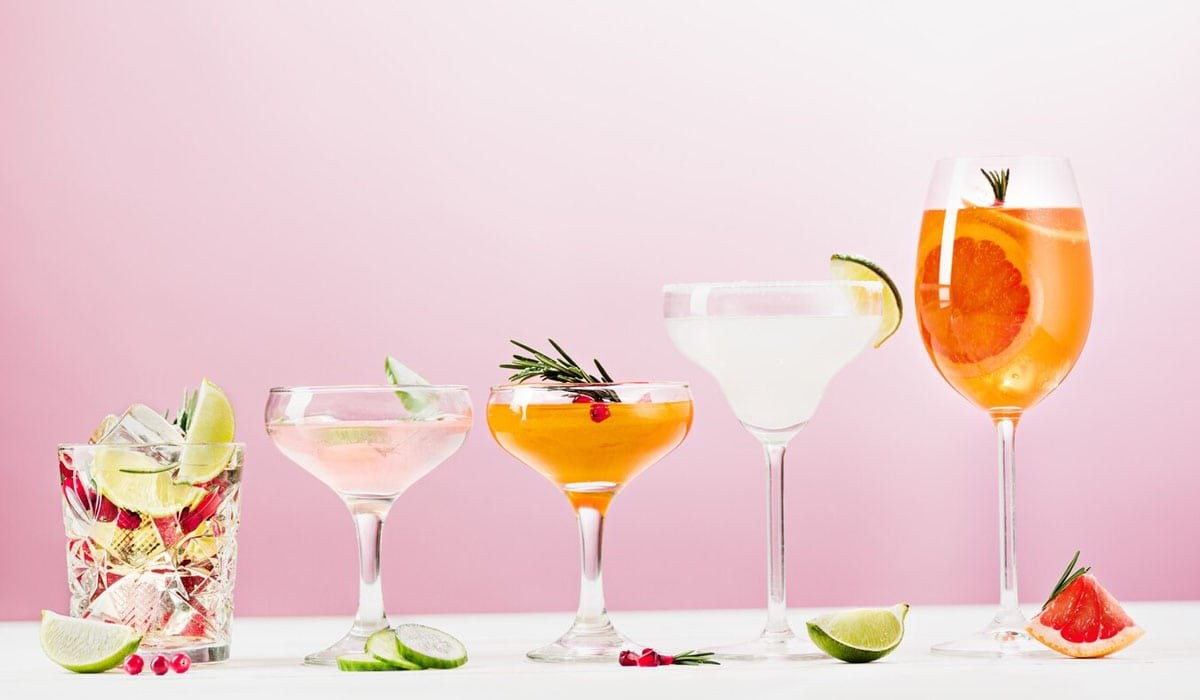
The color of your glasses depends on personal preference and how you want to complement your table setting or enhance the presentation of your drinks. Consider the following:
- Coordination with Table Setup: If your table setting includes specific colors, such as tablecloths, dishware, or decorations, choose glasses that complement or match these colors.
- Themed Serving: For special occasions or themed meals, opt for glasses that suit the theme. For example, festive colors for Christmas dinners.
- Personal Preference: Your personal taste matters most. If you love a particular color, it might be the best choice for you.
- Contrast or Uniformity: Glasses with a contrasting color to the rest of the serving ware, placemats, or runners can provide a dramatic appearance, while the same colors can create a harmonious aesthetic.
- Seasonal Changes: Switching glass colors based on the season or holidays can add a dynamic touch to your table setting.
- Transparency vs. Opacity: Transparent glasses allow you to see the drink’s color, while opaque glasses add an element of mystery.
- Emotional Connection: If a particular color evokes a meaningful memory or emotional response, it might be a great choice for your glassware.
The information below is required for social login
Sign In
Create New Account