


Tablecloths Shopping Guide
Do you want a quick and easy way to change the look of your dining room? Then it is essential to purchase high-quality tablecloths from designdrops. A good tablecloth not only serves as a protective fabric that keeps your table in pristine condition but also acts as an elegant design element that makes the space feel more inviting and comfortable.
But how do you choose the perfect tablecloth for your dinning table? In this buying guide, you will find valuable tips to help you make the best choice!
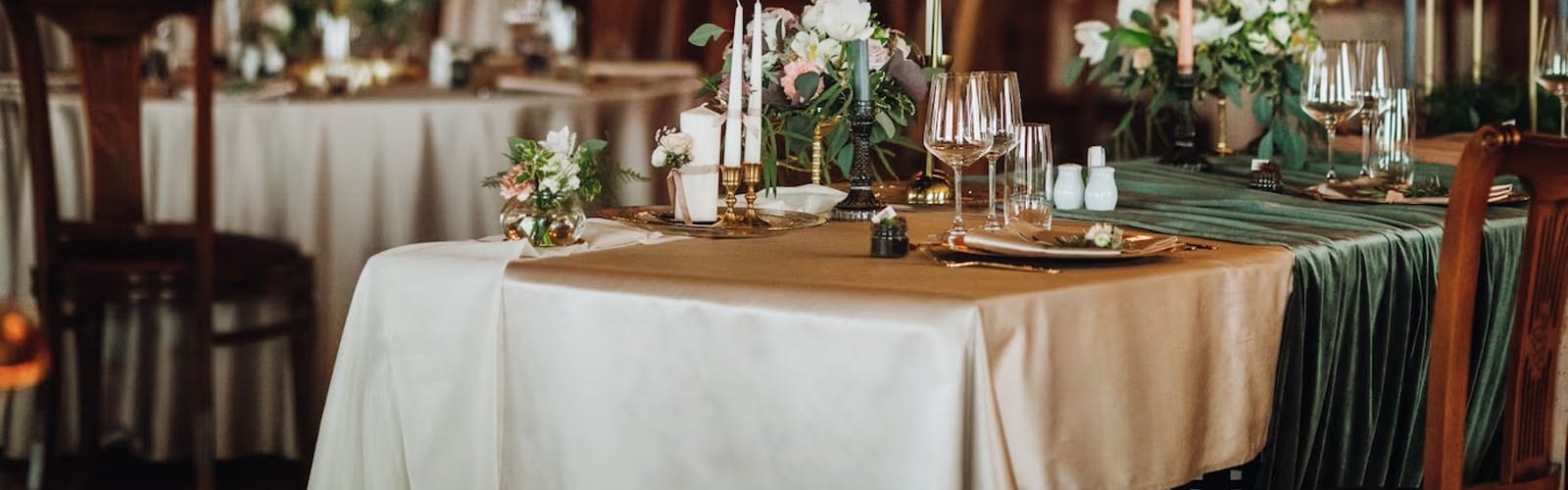
Step 1: Choose the Size of the Tablecloth
Selecting the correct tablecloth size is crucial to ensure that it fits properly on your table and creates a visually pleasing appearance. Follow these guidelines to choose the right tablecloth size:
- 1. Measuring the Table: Use a measuring tape to determine the length and width of your table. These measurements will give you a basic idea of the size of the tablecloth you need.
- 2. Adding Extra Centimeters: For a pleasant appearance during everyday meals, opt for a tablecloth that hangs approximately 15-20 cm from each side of the table’s surfaceFor a more formal dinner, the tablecloth should hang about 35 cm from the table’s surface for a richer and more refined look.
- 3. Calculating Dimensions: Based on the table’s dimensions and the added centimeters for the overhang, determine the ideal tablecloth size. For example, if your table is 110 cm long and 150 cm wide, your tablecloth should be 110+15+15 cm in length and 150+15+15 cm in width, meaning 140x180 cm for everyday meals. However, if you are setting the same table for a formal dinner, the tablecloth dimensions should be 110+35+35 cm in length and 150+35+35 cm in width, resulting in a final size of 180x220 cm.
If your table is round and you need a circular tablecloth, measure the table’s diameter and double the number of centimeters for the overhang. For example, for a round table with a diameter of 150 cm, you would need a tablecloth with a diameter of 150+30 cm for everyday meals, meaning a tablecloth with a diameter of 180 cm. For a formal dinner, you would select a tablecloth with a diameter of 150+70 cm, equaling 220 cm.
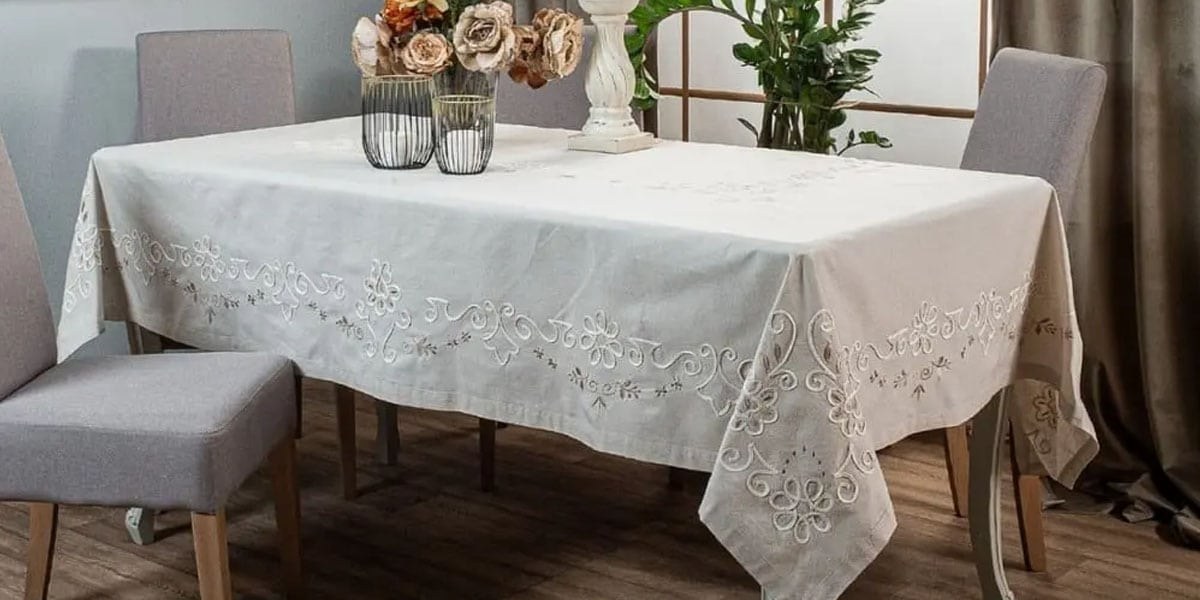
Step 2: Choose the Type of Tablecloth
Selecting the right type of tablecloth depends on its use and the style of your space. Follow these guidelines to choose the appropriate tablecloth type:
Kitchen Tablecloth
Kitchen tablecloths are usually smaller and more practical, designed for daily use. They are made from durable materials that are easy to maintain and can withstand minor spills and stains. These tablecloths often feature playful designs inspired by the culinary world or nature.
Dining Room Tablecloth
Dining tablecloths are more elegant and generally larger than kitchen tablecloths. They are used for special occasions, formal dinners, and professional settings. Made from high-quality materials, they are often monochrome or feature more subtle and timeless designs.
Round Tablecloth
Round tablecloths have a circular shape and are ideal for round tables. They add a decorative touch and are suitable for both formal and everyday meals.
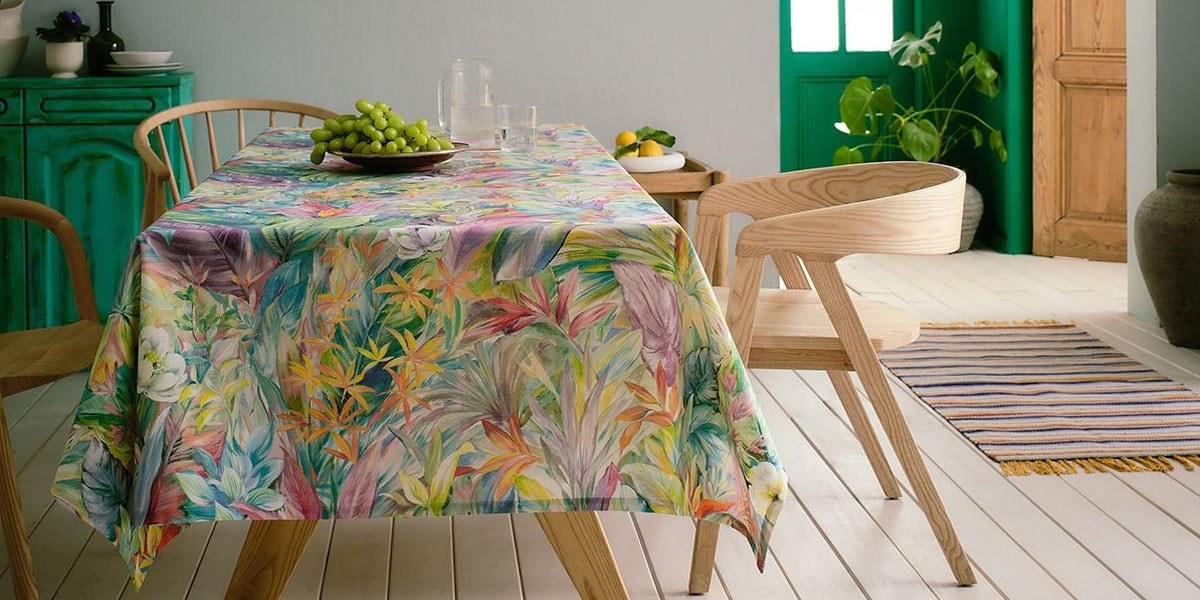
Step 3: Choose the Quality of the Tablecloth
A tablecloth can be made from various materials, and the best choice depends on your preferences, usage, and aesthetics. Here is a detailed overview of different materials and their benefits:
Cotton Tablecloth
Cotton is a natural material that offers a soft and comfortable feel. It is durable, breathable, and easy to care for, making it ideal for daily use and various decorating styles.
Acrylic Tablecloth
Acrylic is a synthetic material that resembles wool or cotton. It is durable, easy to maintain, and antimicrobial, making it ideal for daily use and table protection from stains.
Polyethylene (PEVA) Tablecloth
PEVA is a plastic polymer coating that provides waterproofing. It is easy to clean and protects the table from moisture and stains. Tablecloths containing polyethylene in their composition are typically stain-resistant and waterproof.
Bamboo Tablecloth
Made from plant fibers, bamboo is a durable material with a natural texture. It is eco-friendly and pleasant to the touch.
Polyester Tablecloth
Polyester is a synthetic material that is durable, easy to maintain, and antimicrobial. It comes in a variety of colors and designs and is suitable for different occasions.
Linen Tablecloth
Linen is a natural material with an elegant and romantic feel. It is cool in the summer and durable, though it may require extra care.
Vinyl Tablecloth
Vinyl is a waterproof material that protects the table from moisture and stains. It is easy to maintain and ideal even for outdoor spaces.
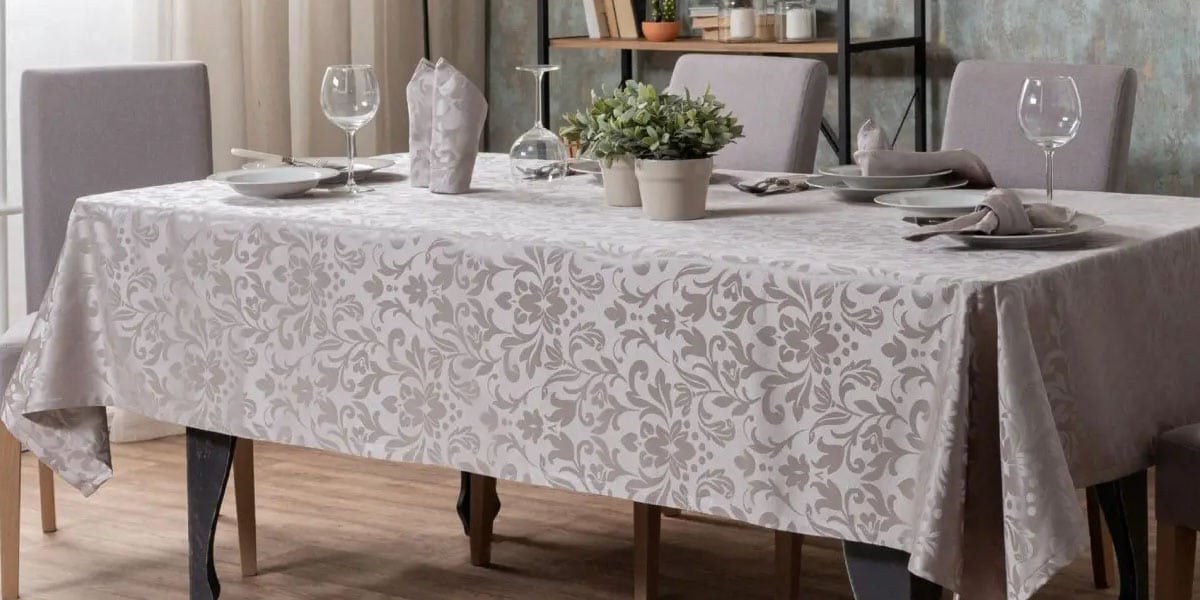
Step 4: Choose the Color of the Tablecloth
Choosing the right tablecloth color is essential for creating the desired atmosphere and aesthetic in your space:
- 1. Consider the style and decor of your space: If the room already has vibrant colors, opting for a tablecloth in soft or neutral tones can help maintain balance.
- 2. Think about the season: Bright colors can add joy and vibrancy in summer, while darker and warmer shades can create a cozy and welcoming feel in winter.
- 3. Consider the occasion: For formal dinners, a classic shade like white, silver, or gold may be ideal. For more casual gatherings, you can experiment with bolder colors.
- 4. Match the tablecloth with the rest of the space: If you have existing decorative elements in a specific color, choose a tablecloth that complements them. You can also coordinate the tablecloth with curtains, rugs, placemats, and tableware.
- 5. Choose colors that you love and make you feel good: The table is a place for social moments and hospitality, so its color should reflect your personality and bring positive energy.
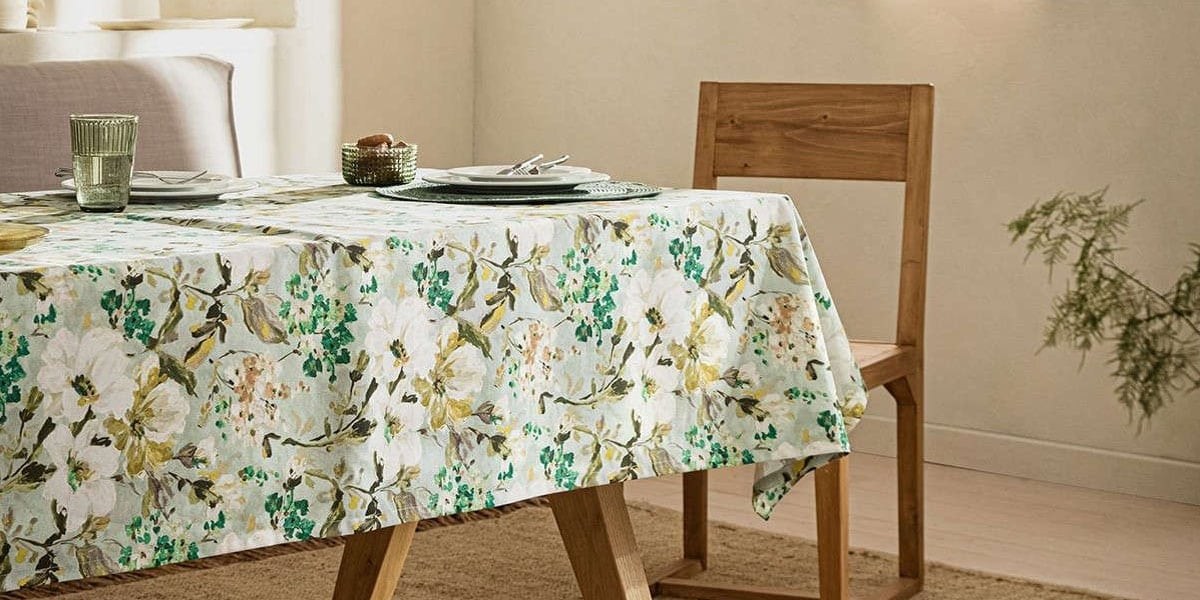
Step 5: Choose the Pattern of the Tablecloth
Selecting a tablecloth pattern depends on your personal style, the decorative theme of your space, and the atmosphere you want to create. Here are some common tablecloth patterns:
Floral: Creates a romantic yet fresh ambiance.
Checkered: Provides a classic and timeless look. Ideal for rustic-themed spaces.
Vintage: Provides a retro touch. Suitable for lovers of romantic and antique aesthetics.
Geometric: Delivers a modern and structured aesthetic. Suitable for contemporary interiors.
Lace: Adds a romantic and airy feel. Perfect for special occasions and those who appreciate elegance.
Monochrome: Provides simplicity and elegance. Ideal for those who prefer classic or minimalist decor.
Ethnic: Offers a multicultural, exotic feel. Ideal for those seeking a more refined and sophisticated design.
Patchwork: Adds character and color to your space. Ideal for those who love vibrant and atmospheric, recycled-style decor.
Step 6: Understanding Weaves and Special Treatments in Tablecloths
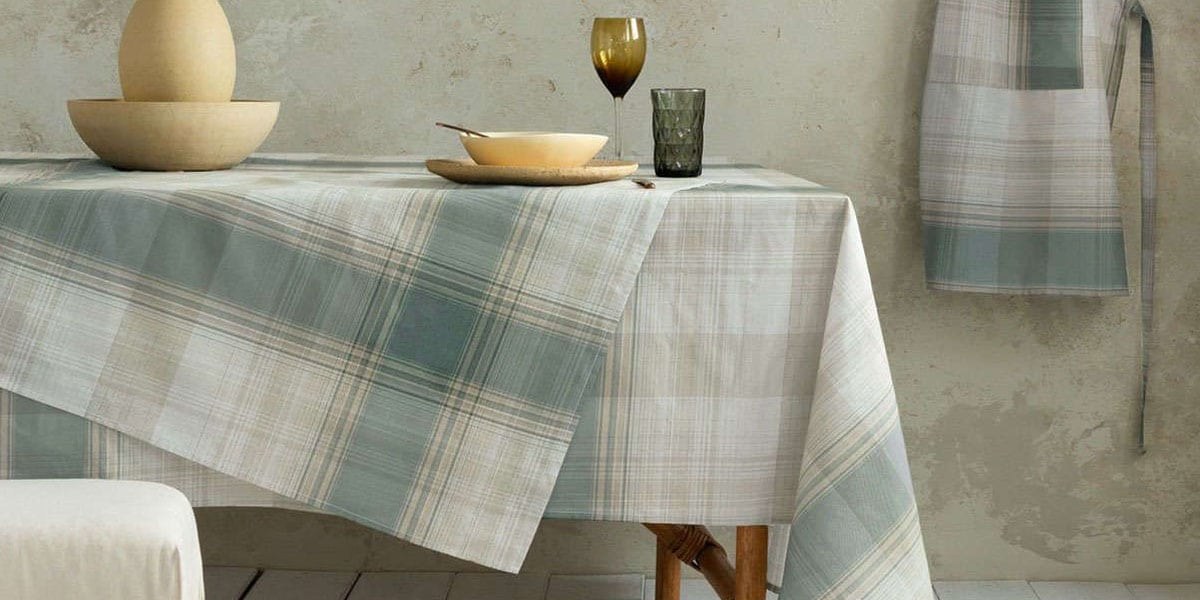
Tablecloths can have various weaves and special treatments, each adding a unique character and style. Here are some common weaves and treatments found in tablecloths:
- Percale: A tightly woven cotton fabric with a smooth yet durable texture. It is cool and resistant to wear.
Sateen: A fabric with a lustrous surface. It has a dense weave and a soft feel, adding a luxurious touch to the table.
Lace: Often used as a decorative element on tablecloths. It adds traditional elegance and romance.
Embroidery: A special treatment that incorporates designs or patterns onto the fabric through stitching, giving the tablecloth a unique dimension and personality.
Resin Coating: A treatment that protects the fabric from stains and wear, making tablecloths more durable and easier to maintain.
Panama: A woven fabric typically made from cotton or a cotton-polyester blend. It has a slightly textured feel and is heavy and durable. - Half Panama: Half Panama is a fabric with half the weaving density of regular Panama. It offers a lighter and more delicate feel.
- Yarn-Dyed: Yarn-dyeing is a process in which the threads are dyed before weaving. This creates patterns and designs that remain vibrant and unchanged over time.
- Stonewashed: The stonewashing process involves the use of stones to give the fabric a distinctive, faded appearance.
- Slub Panama: Slub Panama is a fabric with irregular yarn thicknesses that create small, textured spots on the surface, adding a rustic touch.
- Loneta: Typically made from cotton and polyester, Loneta closely resembles the texture of canvas but is lighter and features a distinctive striped weave.
- Digital Print: Digital printing enables the creation of intricate and colorful designs on fabric. Digitally printed patterns are more detailed and resistant to time and washing.
- Jacquard: The Jacquard technique involves the creation of complex patterns on fabric using specialized threads.
With this tablecloth buying guide, we hope you have found useful information to help you make the best purchase. Your dining table serves as a gathering place for creating memories, and the tablecloth plays a key role in shaping the aesthetic and atmosphere of the space. If you are looking for imaginative solutions in table linens, as well as in home textiles, furniture, and lighting, do not hesitate to explore the designdrops collection. With a wide variety of products and options in different styles, you
can find the perfect items to create your ideal home environment.
Keep your tablecloths looking as good as new by following the valuable tips found in the designdrops tablecloth cleaning guide!
At designdrops, you will find guides on purchasing home textiles and maintaining them, offering essential advice to help you choose the perfect linens and keep them in pristine condition!
The information below is required for social login
Sign In
Create New Account