


Baby Blanket Shopping Guide
Your little miracle is slowly arriving into your life, and we know you want to offer them the best! Choosing the appropriate blanket for your baby is extremely important, as it affects the comfort, safety, and quality of their sleep. Infants are more sensitive to various factors, such as temperature, construction material, and hygiene, which is why choosing the right blanket requires attention to several factors. Thus, the experts at designdrops have created for you a detailed guide that will help you make the right choice.
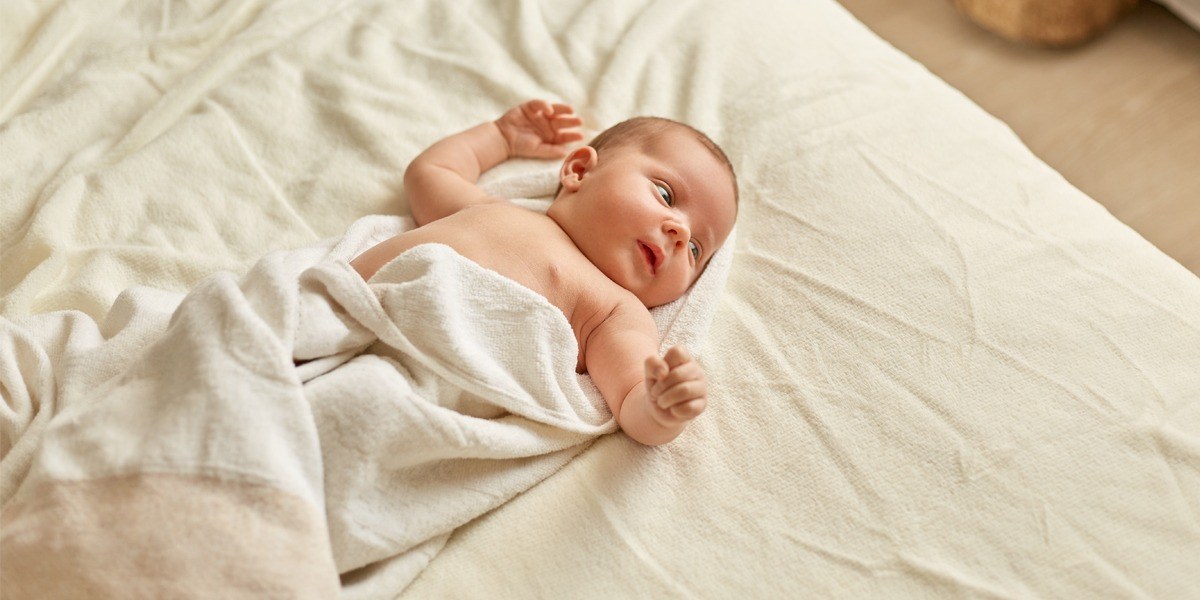
Step 1: Choose the type of baby blanket:
Choosing the right type of blanket for your baby depends on the season, the baby's needs, and the environment in which they sleep. The most common types of blankets are:
Fleece Baby Blankets:
These are blankets with a very soft and warm texture, usually made from synthetic material. They are lightweight and durable and provide excellent warmth, which makes them an ideal choice for outdoor walks during the winter or autumn. Indoors, they should only be used when it is very cold, as there is a risk of overheating.
Velour Baby Blankets:
Velour blankets are ideal for winter nights and generally for the cold periods of the year, as they are extremely warm. These are blankets made of synthetic materials, distinguished by their velvety texture. They are incredibly soft, gentle, and ideal for ensuring a tender touch for your baby and providing them with a unique sense of security.
Faux Fur Baby Blankets:
Faux fur blankets are very warm and soft, with a unique texture reminiscent of natural fur, yet made from synthetic materials such as polyester and acrylic. They are heavy and offer excellent thermal insulation, making them suitable for very low temperatures and outdoor walks. They are not recommended for indoor spaces where the baby sleeps at ideal temperatures (18-20°C).
Summer Baby Blankets:
Summer blankets are lightweight and made of natural materials that allow the skin to breathe. They are usually made of cotton, linen, or muslin—materials that prevent and absorb perspiration, are hypoallergenic, and soft for sensitive baby skin.
Pique Baby Blankets:
Pique blankets are ideal for spring, summer, and autumn, since, thanks to their unique weave, they allow the skin to breathe and are lightweight and soft. They are mainly made of cotton, which is why they absorb sweat, breathe, are suitable for sensitive skin, and offer maximum hygiene for your baby's sleep.
Knitted Baby Blankets:
Knitted blankets exude "mom-like" coziness thanks to their traditional weave, great elasticity, and the softness that distinguishes them. They are usually heavy and warm, suitable for the colder seasons of the year.
Step 2: Choose the construction material of the baby blanket:
The construction material of the baby blanket plays a decisive role in the comfort, safety, and quality of your baby's sleep. Each material has its own advantages and disadvantages, so it is important to understand their characteristics to choose the right one for your baby and the weather conditions.
Cotton:
Cotton is the safest choice when choosing baby bedding, as it is a natural, hypoallergenic material that respects sensitive baby skin. It is a breathable material, absorbs sweat, and does not cause allergies or irritations. A cotton blanket is distinguished by soft and comfortable fabric, making it suitable for all seasons, especially summer, autumn, and spring. Cotton blankets are durable and easy to clean and iron.
Acrylic:
Acrylic is a synthetic material that is lightweight and warm, making it an ideal choice for blankets you want to use mainly in the winter months. Acrylic baby blankets offer warmth and a pleasant texture and are extremely durable, keeping their shape, texture, and colors unaffected for many years. However, it is a synthetic material, which can cause allergies or irritations in some babies, so caution is needed.
Flannel:
Flannel blankets are a favorite choice for babies due to their incredibly soft and warm texture. They are usually made of synthetic materials, making them extremely durable and warm, but they may cause irritation to very sensitive skin. They offer very good thermal insulation, making them ideal for outdoor walks during the winter or autumn periods.
Microfiber:
Microfiber blankets offer good thermal insulation and are ideal for autumn and winter. Microfiber fabric is a very soft and lightweight synthetic material, which is extremely durable and pleasant to the touch. A microfiber blanket is an excellent choice for those who want to ensure a warm, soft, and light covering for their baby. Ideal for all seasons, especially if the baby needs a blanket that offers a pleasant feel and temperature without being excessively heavy.
Sherpa:
Sherpa baby blankets are made of a material that has the feel of fur, is extremely warm and soft, as well as heavier and denser to offer excellent thermal insulation. Sherpa blankets are ideal for very cold nights or regions with a cold climate.
Cotton-Polyester-Acrylic:
Baby blankets made from a combination of materials, such as cotton combined with synthetic yarns, possess the advantages of all materials. For example, a blanket made of cotton and polyester is pleasant in texture, durable, and warm. It allows for better skin breathability than a purely synthetic one but also offers greater durability due to the polyester.
Polyester:
Polyester blankets are distinguished by their luxurious texture, which delights the baby with incredible, velvety softness. These are blankets that can be used during the autumn and winter periods, as they offer excellent warmth due to the density and weight of the material.
Muslin:
Muslin blankets are very lightweight, breathable, and extremely soft. They are ideal for the summer heat when the baby does not need excessive warmth, but a soft and light covering to sleep comfortably.
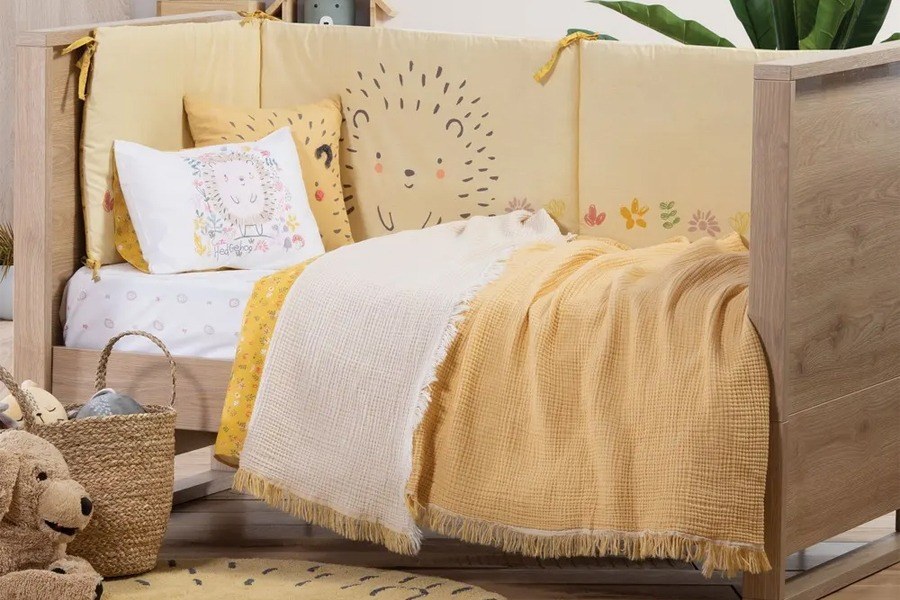
Step 3: Choose the size of the baby blanket:
Choosing the right size of baby blanket depends on its use and your baby's needs, and is also influenced by their age and how much time they spend in the crib or your arms:
Crib Blanket (100x150 cm):
The crib blanket is ideal for the baby's crib, as thanks to its size (about 100x150 cm) it covers the entire surface of the bed and provides sufficient coverage for your baby's body while allowing freedom of movement. A crib blanket is suitable for older infants who begin to roll over during sleep, as it is large enough to cover their body without the risk of them becoming uncovered.
Receiving Blanket (70x100 cm):
The receiving blanket is smaller and more versatile. Its purpose is to offer comfort and warmth while you are holding your baby or when the baby is in a more confined space, such as a stroller or carrycot. It is more flexible and ideal for use outside the home, as it covers the baby and is lighter and more practical to carry with you when going for walks or traveling.
Step 4: Choose the baby blanket based on the baby's gender:
Preferences for colors and designs are usually influenced by the baby's gender or the parents' desire for more traditional or modern options.
Baby Blankets For Boys:
If you are more traditional or want a safe choice for a boy, choose a baby blanket in blue, green, and light blue shades, as well as designs with cars or dinosaurs that most boys love.
Baby Blankets For Girls:
Blankets for girls often combine pink and purple tones, but also brighter or pastel shades. Also, girls love designs with princesses, butterflies, or flowers, so if you want an all-time classic choice, follow these lines.
Unisex Baby Blankets:
If you do not want to choose a blanket based on gender or if you desire something neutral, there are many excellent choices that suit both boys and girls. Additionally, a unisex blanket can be used for a subsequent child if you do not yet know the gender. Unisex designs usually include neutral colors like white, gray, and beige, as well as patterns like stars, animals, or geometric motifs.
Step 5: Choose the design of the baby blanket:
The choice of design for a baby blanket is a matter of taste and aesthetics. You can choose the design and color that your baby loves or those that dominate the nursery decoration.
Boys love cars, dinosaurs, stars, and superheroes, while girls prefer butterflies, princesses, flowers, ballerinas, and of course unicorns. If you want something more neutral and timeless, choose a baby blanket with animals, stars, fruits, geometric designs, or even a solid color. Finally, if you are more romantic, prefer blankets with floral designs, pastel shades, and lace details to ensure a fairytale atmosphere for your baby.
In conclusion, it is clear that choosing the ideal baby blanket is vital for the comfort and safety of your little angel. Whether you choose a blanket for winter or summer, the quality of the material, size, and design play a decisive role in creating a safe environment. Choose based on the baby's needs, the style of the room, and your personal preferences, always prioritizing safety and comfort. With the right baby blanket, your baby will enjoy a peaceful and restful sleep, while you will have the peace of mind that you have made the best choice for them.
The information below is required for social login
Sign In
Create New Account