


Baby Food Cleaning Guide
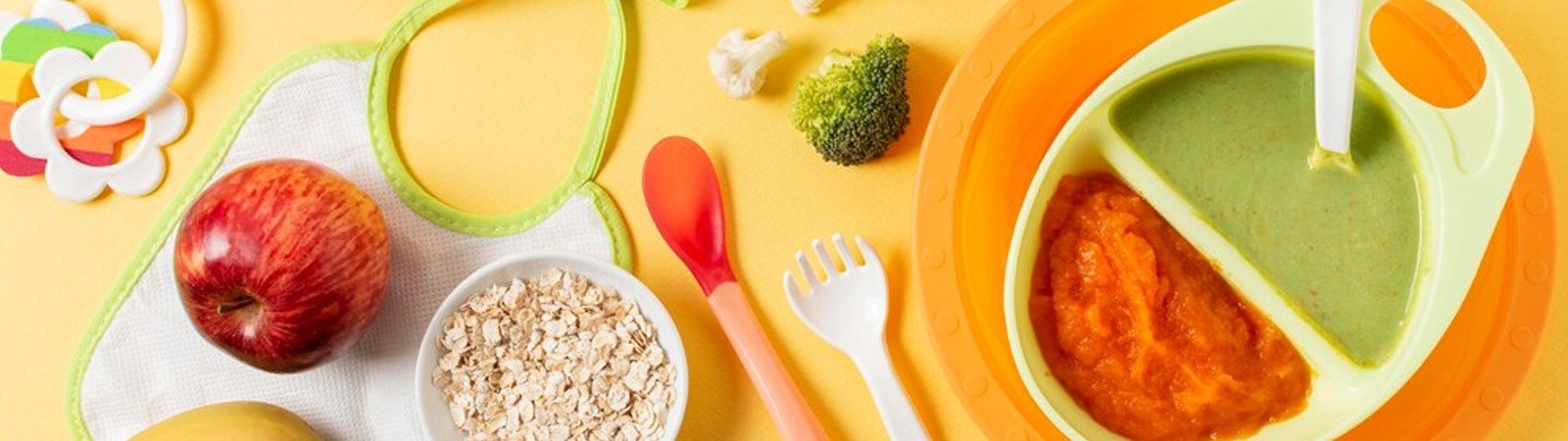
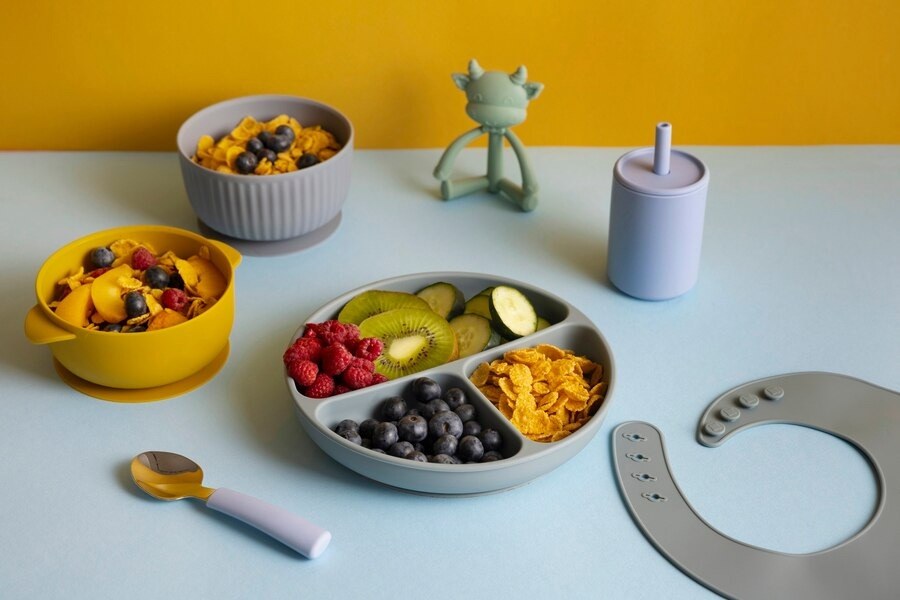
Children's feeding items, such as plates, spoons, forks, cups, bottles, and thermos, require special attention when cleaning, as they come into direct contact with children's food. Proper cleaning ensures hygiene and prevents the growth of bacteria and germs.
1. General Cleaning Instructions
- Clean all utensils immediately after use to prevent bacteria buildup.
- Use a mild detergent suitable for children's dishware, without chemicals or fragrances.
- Rinse well with plenty of water to remove any soap residue.
- Allow the dishware to dry thoroughly before storing to prevent mold growth.
- Avoid harsh sponges and scouring pads that may damage surfaces.
2. Cleaning by Category
Plates, Bowls, and Food Trays
- Wash with warm water and mild detergent.
- Check if they are dishwasher safe (some plastic items may be damaged by high temperatures).
- If there are food stains (e.g., carrot, beetroot), soak the item in lukewarm water with baking soda for 30 minutes before washing.
Cups and Sippy Cups
- Separate all parts (lid, valve, straw) before cleaning.
- Use a thin brush for the straw and difficult corners.
- If you notice black spots, disinfect with a vinegar and water solution (1:1).
- Avoid using bleach, as it may leave residue.
Spoons, Forks, and Knives (Cutlery)
- If they are metal, check if they are dishwasher safe.
- If they are plastic or silicone, wash them by hand in warm water.
- If you notice stains or residue, soak in a solution of water and lemon for 15 minutes before rinsing.
Thermoses and Water Bottles
- Rinse immediately after use to prevent odors.
- Use a bottle brush for deeper cleaning.
- If there are odors, fill with lukewarm water and 1 tablespoon of baking soda and leave it for an hour before rinsing.
- Avoid putting dairy products inside if they are not consumed immediately, as bacteria can grow.
Food Storage Containers (Lunch Boxes)
- Wash thoroughly with soap and warm water.
- If there are food odors, place a tea bag or some baking soda inside and leave it for a few hours.
- Silicone lids are best cleaned with a small brush and warm water.
- Dry them well before storing to prevent germ growth.
3. Natural Cleaning and Disinfection Methods
- Vinegar and water: Mix equal parts vinegar and water and soak utensils for disinfection.
- Baking soda: Ideal for removing stains and odors.
- Lemon: Has natural antibacterial properties and provides freshness.
4. Additional Tips
- Avoid harsh cleaners and bleach, as they may leave dangerous residues.
- Do not use sponges that retain moisture and can become a breeding ground for germs.
- Replace children's dishware often, especially if they have damage that can collect bacteria.
The information below is required for social login
Sign In
Create New Account