


Bedroom Furniture Shopping Guide
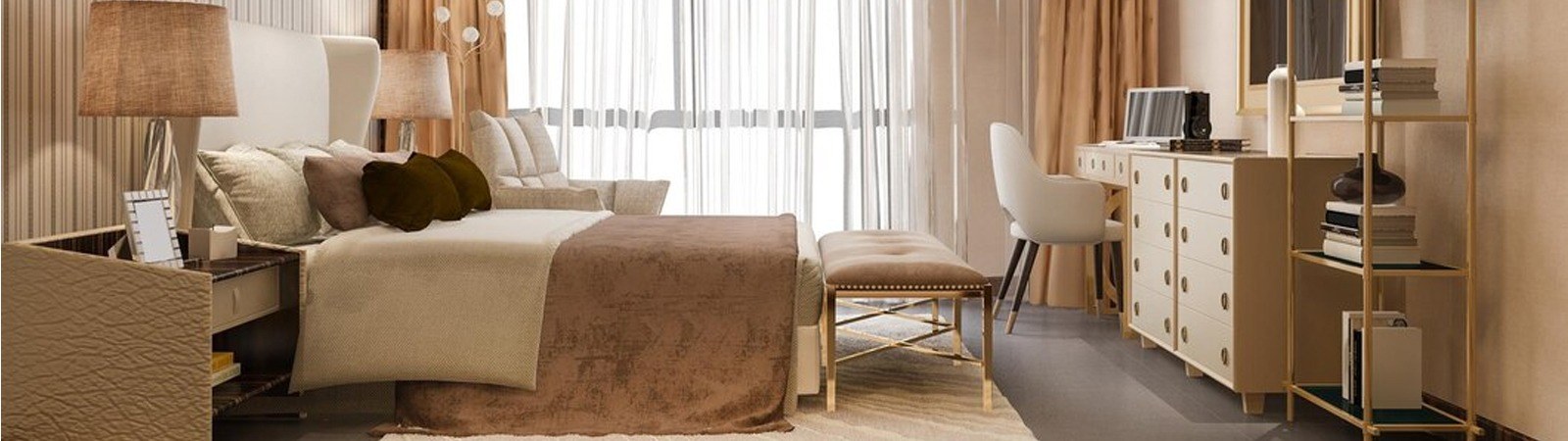
Choosing the right furniture for your bedroom is of paramount importance for creating a comfortable, functional, and aesthetically pleasing space. Each piece of furniture has its own role, and the right choice can improve your quality of life. Let's look in detail at what you need to know before buying beds, bedside tables, chest of drawers-vanities, wardrobes, mattresses, bed slats-frames, and mirrors.
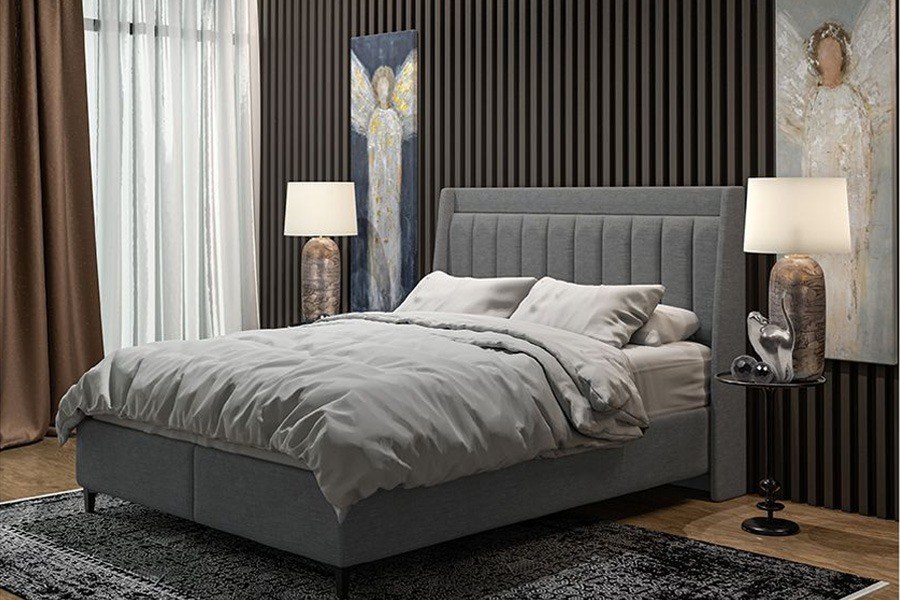
1. Beds
Choosing the right bed is an investment in the quality of your sleep and your overall well-being. Carefully choose the size, style, and quality that suit your needs and the tone of your bedroom, so you can enjoy a restful and rejuvenating sleep every night.
Bed Size
The first step is to choose the right bed size, which depends on the space of your bedroom and your personal needs.
- Single Bed (90x190 or 90x200 cm): Suitable for children, teenagers, or for rooms with limited space.
- Small Double (120x200 cm): Ideal for the bedroom of an average adult seeking more comfort.
- Double (140x200 - 160x200 cm): Suitable for couples or larger bedrooms. Provides enough space and comfort.
- King Size (180x200 or 200x200 cm): For ultimate comfort, especially in large bedrooms.
Bed Type
Comfort and functionality are two key factors that will influence your choice of bed.
- Beds with headboards: They offer support for the head and back when you are not lying down and beautify the space. They can be upholstered in fabric, leather, or wood.
- Beds with storage space: These are very practical, especially for small rooms, as they offer additional storage space under the mattress.
Bed Materials
The material of the bed affects both the aesthetics and the durability of the furniture.
- Wood: Offers a warm and natural look, is durable and timeless. It is ideal for both traditional and modern bedrooms. You can find it in various colors and finishes.
- Metal: Metal beds are ideal for bedrooms with a modern or retro style with greater durability, ideal for industrial or minimalist decoration.
- Upholstered with fabric or leather: Offers luxury, warmth, and comfort, but requires more careful maintenance.
Match the Style to the Bedroom
Choose a bed that matches the overall decoration and style of your bedroom.
- Classic style: A wooden bed with carved details or a timeless look will add classic elegance.
- Modern style: Beds with clean lines, minimalist designs, and materials like metal or leather are ideal for contemporary bedrooms.
- Rustic style: Prefer beds with natural wood or recycled materials for a warm and natural look.
Consider the Budget
Your budget is an important factor. Beds are available in various price categories, depending on materials, size, and construction quality.
- Do not sacrifice comfort and quality for financial reasons. Invest in a good bed that will last for several years.
- Consider choosing a bed with storage space if you want to maximize the room's functionality without spending a lot on additional furniture.
2. Bedside Tables
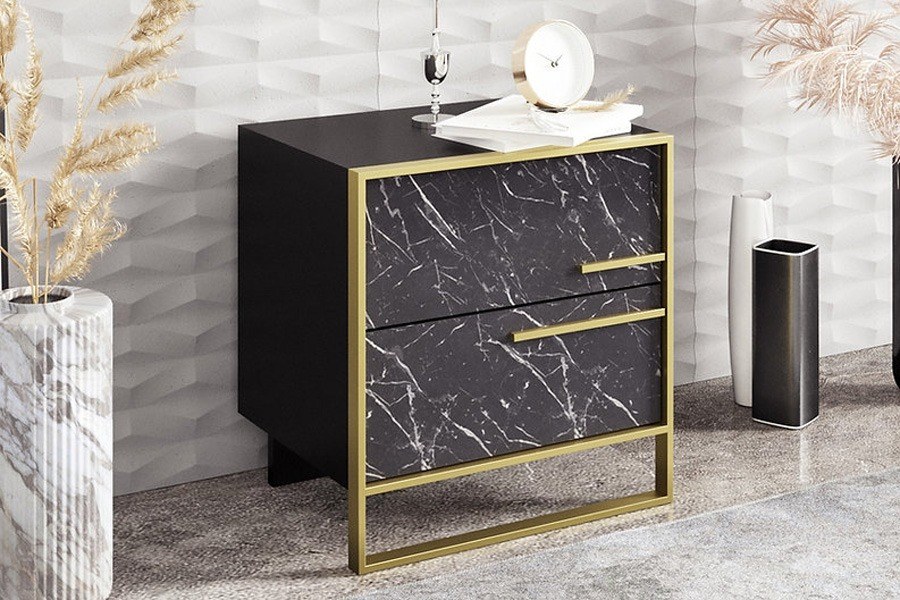
Choosing the right bedside table is important for the functionality and aesthetics of your bedroom. The bedside table is not just decorative, but also a practical piece of furniture that offers easy access to items you use daily, such as an alarm clock, a book, or a glass of water. Here are the instructions for choosing the suitable bedside table.
Determine Size and Dimensions
The bedside table must be in the right proportions with your bed and the available space in the bedroom.
- Height: Ideally, the bedside table should be at the same height as your mattress or slightly lower, so you can easily reach items. Usually, the height ranges from 55 to 65 cm.
- Width and depth: Consider the available space on either side of the bed. Ensure there is enough space for doors or drawers to open. Typical widths are from 40 to 60 cm, while depth ranges from 30 to 45 cm.
Choose Functionality
Think about what you need from your bedside table in terms of storage and use.
- Drawers: If you need storage space for small items (e.g., books, glasses, chargers), prefer bedside tables with drawers.
- Shelves: Shelves are ideal for more decorative use or for easy access to items you use frequently.
Choose the Style that Suits Your Bedroom
The bedside table must match the rest of the bedroom aesthetically and integrate into the overall style of the space.
- Classic style: Wooden bedside tables with timeless designs and carved details are ideal for more traditional bedrooms.
- Modern style: Bedside tables with clean lines, minimal designs, and glossy or matte finishes fit modern and minimal spaces.
- Industrial style: Choose bedside tables made of metal or a combination of wood and metal for a more rustic or industrial aesthetic.
- Scandinavian style: Simple, white, or pastel bedside tables with natural wood are perfect for Scandinavian decor, which emphasizes brightness and simplicity.
Choose High-Quality Materials
The quality of materials determines the durability and aesthetics of the bedside table.
- Wood: Solid wood (such as oak, walnut, or pine) is durable and has natural beauty. MDF with a wood finish is more economical but less durable.
- Metal: Offers a more modern or industrial aesthetic. It is sturdy and easy to clean.
- Glass: Gives a modern appearance but requires care in cleaning and maintenance.
3. Chest of Drawers-Vanities
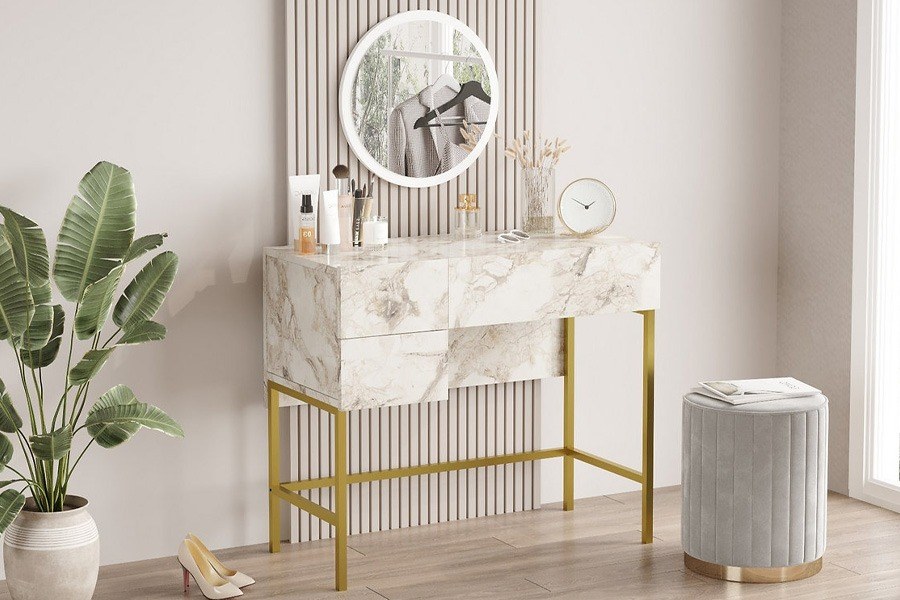
Choosing the right chest of drawers and vanity for the bedroom is crucial for the organization, functionality, and style of your space. These furniture pieces offer large storage space and enhance the aesthetics of the room, while facilitating daily needs.
Functionality and Use
- Number of drawers: The choice depends on your storage needs. If you have many clothes or other items, choose a chest of drawers with more and larger drawers. Chests with 4-6 drawers offer sufficient storage space for clothes, underwear, or linens.
If you plan to store cosmetics, accessories, and small items, prefer a vanity with several drawers and cabinets. Drawers with dividers or shallow shelves are ideal for keeping smaller items organized. - Work surface: Ensure the vanity surface is spacious enough to place items you use daily, such as beauty products, mirrors, and table lamps.
- Drawer layout: Look for chests of drawers that offer different drawer sizes for storing different types of items, such as small drawers for accessories and large drawers for clothes.
- Height and width: The height and width of the chest of drawers must fit your available space. For small bedrooms, choose a narrow and tall chest (height approx. 100-120 cm and width 80-100 cm). For larger rooms, a wide chest offers more comfort and storage space.
The height of the vanity should be ideal for sitting in front of it. Usually, vanities have a height of 70-80 cm, so you can use them comfortably sitting on a stool or armchair.
Style and Materials
- Materials: Vanities and chests of drawers made of wood or MDF are the most popular choices. Wood provides a classic and rustic feel, while MDF with a glossy finish offers a modern look.
- Style: Choose a chest of drawers that matches the style of your bedroom. Classic designs with wood and carvings provide timeless elegance, while minimal chests with clean lines and metal elements fit modern spaces.
Functional Features
- Drawer mechanisms: Ensure that drawers open and close smoothly, as the quality of the mechanism is important for the durability and ergonomics of the furniture.
- Mirror: Many vanities come with a mirror, which is essential for daily use. You can choose a built-in mirror or add a wall-mounted one that matches the room's decor. You will find more details for choosing a mirror later in the guide.
- Lighting: If you intend to use the vanity for skincare or makeup, consider adding lighting around the mirror for better visibility.
Additional Features
- Stool or chair: A vanity must be combined with a stool or an armchair. Choose a comfortable seat that matches the aesthetics of the vanity and your bedroom.
- Organization: Add organizing boxes or baskets to keep your cosmetics tidy on the surface of the vanity or chest of drawers.
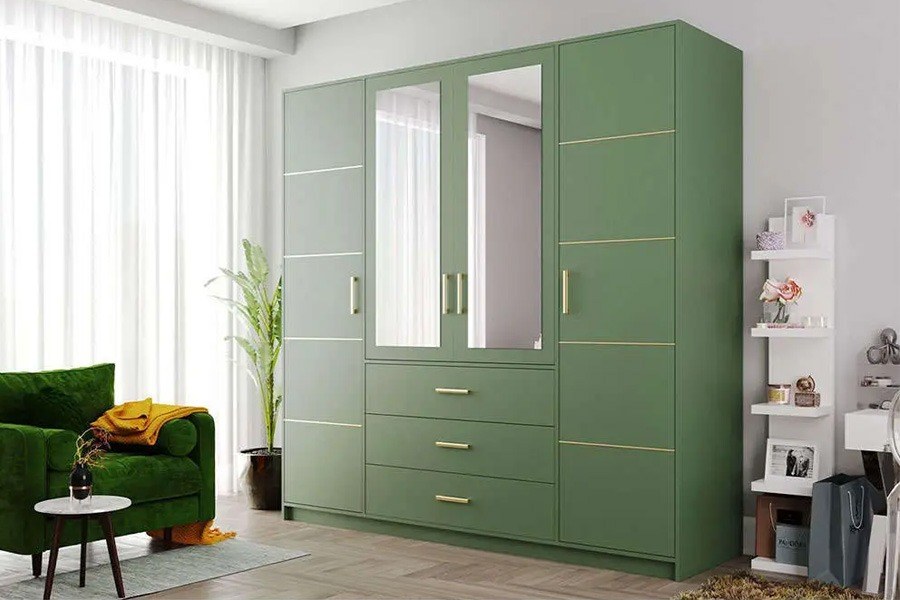
4. Wardrobes
Choosing the right wardrobe is essential for the organization and functionality of your bedroom. A well-designed wardrobe can save space, facilitate your daily life, and add aesthetic value to the room. Below are instructions for choosing the suitable wardrobe based on your needs, space, and taste.
Wardrobe Types
- Hinged Door Wardrobe: A classic choice that offers direct access to the entire contents. Suitable for larger spaces where there is enough clearance for the doors to open fully.
- Sliding Door Wardrobe: Ideal for smaller spaces, as it requires no extra room for opening. It offers a modern look and is very practical.
- Built-in Wardrobe: Adapts to the available space and offers many design options. It can be constructed based on your specific needs, taking full advantage of the room's height and width.
Internal Layout
- Hanging Rails: It is important to have enough rails to hang clothes, especially if you have many suits, dresses, or coats. Depending on the height of the wardrobe, you may prefer double rails to utilize the space better.
- Shelves and Drawers: Shelves are ideal for storing clothes like t-shirts and sweatshirts, while drawers are suitable for underwear, socks, and small items.
Size and Dimensions
Choosing the correct wardrobe dimensions depends on the available space and your storage needs.
- Height: A wardrobe that utilizes the full height of the room, from floor to ceiling, offers more storage. Taller wardrobes are suitable for storing items not used frequently, such as suitcases or blankets, in the upper section (loft).
- Width: The width depends on the available wall space. For comfortable use, ensure there is sufficient space in front of the wardrobe for doors to open without obstacles.
- Depth: The depth of the wardrobe must be enough to comfortably fit hangers. The ideal depth is 60-65 cm, as it provides sufficient space for hanging clothes and easy access to them.
Materials and Construction Quality
The construction materials of the wardrobe play an important role in both its durability and appearance.
- Solid Wood: Natural wood is durable, offers elegance, and can be maintained for many years. It also adds warmth to the space, though it is usually more expensive than other materials.
- MDF or Particle Board: These are more economical options and are available in a wide variety of finishes. MDF is more durable than particle board and offers good resistance to wear.
- Glass or Mirror Doors: Wardrobes with mirrors or glass on the doors are ideal for modern spaces. Mirrors also help create the feeling of a larger space while serving practical needs.
Style and Appearance
The wardrobe should integrate harmoniously with the overall decoration of your bedroom.
- Classic: Wooden wardrobes with details such as carvings or earthy tones, ideal for classic decoration.
- Modern: Wardrobes with clean, simple lines and minimal finishes, such as white or gray shades, fit modern spaces.
- Rustic or Vintage: Choose wardrobes with a rustic finish or in more traditional colors if you want to add a traditional touch to the room.
- Color Options: The wardrobe colors should match the other furniture in the room. If the room is small, prefer light shades that give a sense of spaciousness.
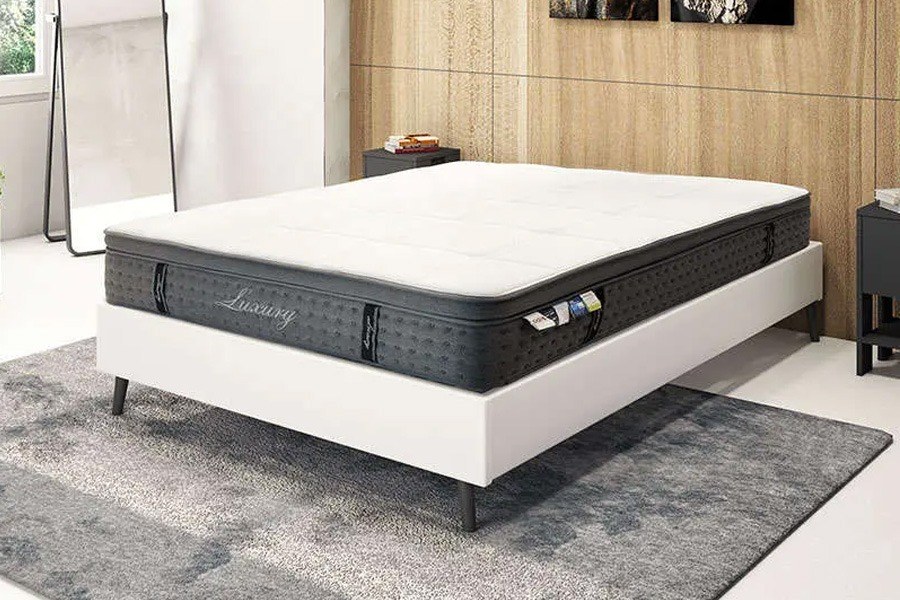
5. Mattresses
Choosing the right mattress is vital for sleep quality and your overall health. A good mattress must provide proper support, adapt to your needs, and improve comfort during sleep. Below are instructions for choosing the right mattress for you, considering the type, support, material, and other factors affecting sleep quality.
Types of Mattresses
There are several types of mattresses, each with different characteristics and advantages. When choosing, it is important to understand the types of mattresses and which one suits your needs.
Innerspring Mattresses
- Bonnell Springs: These mattresses feature springs connected to each other. They provide moderate support and are more economical, but may not offer the best support for joints and the spine.
- Pocket Springs: Each spring is in an individual fabric pocket, allowing for better body support and less motion transfer. Ideal for couples, as they reduce the transfer of movement from side to side.
Foam Mattresses
- Memory Foam: These mattresses adapt to the shape of the body, offering excellent pressure relief and uniform weight distribution. They are suitable for people who need support at pressure points like shoulders and hips.
- Latex Mattresses: Made from natural or synthetic latex, these mattresses offer good elasticity and excellent support. They are naturally resistant to bacteria and dust mites and provide a good sense of comfort and breathability.
Hybrid Mattresses
- Hybrid (Combination) Mattresses: They combine springs and foam, offering the support of springs with the comfort of foam. They provide good air circulation and comfort, suitable for people who want a balance between traditional and modern materials.
Firmness and Support
The firmness of the mattress determines how hard or soft the mattress feels when you lie down. It is important to find the right balance between support and comfort.
- Soft Mattress: Ideal for side sleepers or lighter individuals. A soft mattress allows shoulders and hips to sink slightly, reducing pressure at those specific points.
- Medium Mattress: The most widely common firmness level, suitable for back sleepers or multi-position sleepers. It offers good spinal support without being too hard.
- Firm Mattress: Suitable for stomach sleepers or individuals with higher body weight, as it offers strong back support and better supports the body to prevent sinking.
Materials and Ventilation
The quality and type of materials affect the lifespan of the mattress, comfort, and temperature during sleep.
Natural Materials
- Cotton or Latex: Natural materials like these are durable and environmentally friendly. Latex and cotton mattresses offer good air circulation and regulate body temperature.
Synthetic Materials
- Memory Foam: Adapts to body shape but can trap heat, making it less suitable for those prone to sweating during sleep.
- Gel or Cooling Technology: Some mattresses feature materials that help manage temperature, such as gel-infused memory foam, which offers better airflow and keeps the mattress cool.
Personal Needs and Preferences
Sleep Position
- Side: If you sleep on your side, prefer a medium-firmness mattress that will provide support to the shoulders and hips.
- Back: If you sleep on your back, you need a mattress that supports the natural curve of the spine. A medium-firm mattress is usually the best choice.
- Stomach: If you sleep on your stomach, you need a firmer mattress that prevents the hips from sinking and avoids curving of the lower back.
Body Weight
- Body weight affects the feel of the mattress. Heavier individuals may need a firmer mattress for better support, while lighter individuals can choose a softer mattress for greater comfort.
Allergies
- If you have allergies, prefer mattresses with hypoallergenic materials, such as natural latex or mattresses resistant to dust mites and mold.
Quality and Lifespan
A good mattress has a lifespan of 7-10 years, depending on the quality of materials and usage. Investing in a quality mattress can save you money long-term, as you won't need to replace it quickly.
Warranty: Check the warranty offered for the mattress. Usually, the best mattresses have a 10-year warranty, which indicates the product's quality and durability.
Mattress Protection: To keep your mattress in good condition, use protective covers that prevent wear from moisture, stains, and dust mites. Ensure the mattress is properly supported on a quality bed frame or suitable slats.
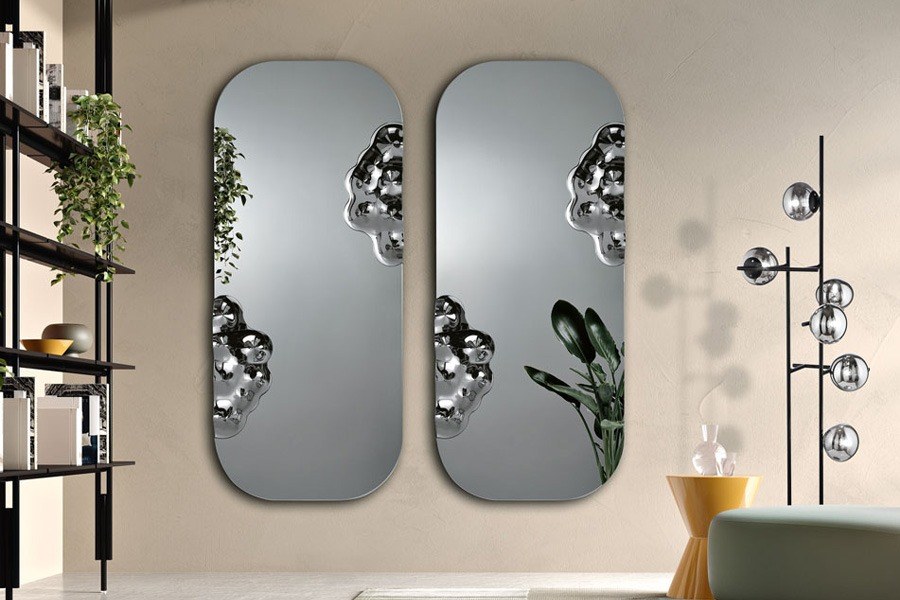
6. Mirrors
Choosing the right mirror for the bedroom can add style and functionality and upgrade the room's aesthetics. A well-placed mirror can brighten the room, create the illusion of it being larger, and serve as a decorative element that completes the bedroom ensemble. Here are some instructions for correctly choosing a mirror for your bedroom:
Mirror Size
Choosing the correct mirror size depends on the available space.
- Large Mirrors: Ideal for smaller bedrooms, as they create the feeling of a larger space. A large wall-mounted or floor mirror can make the room appear brighter and more spacious. It is an excellent choice if you need a mirror to check your outfit. These mirrors are usually placed on wardrobes or walls.
- Small Mirrors: Fit in small corners or can be used as decorative elements above a chest of drawers or vanity. You can also place many small mirrors together to create an interesting composition.
Mirror Shape
The shape of the mirror affects the room's aesthetics. Each shape has its own dynamic and can give character to a bedroom.
- Rectangular Mirrors: A classic choice that fits any decoration style. They provide order and symmetry to the room.
- Round or Oval Mirrors: Ideal for softening the sharp lines of a room and adding a more modern, fluid feel. Usually used above furniture like chests of drawers or vanities.
- Asymmetric or Decorative Mirrors: These mirrors can become the room's focal point and add an artistic element if you desire a more creative and modern result.
Mirror Placement
Correct mirror placement is critical to enjoying the visual and functional benefits it offers.
- Opposite a Window: Place the mirror opposite a window or light source to reflect natural light, brightening the room and creating a more open feel.
- Above a Chest of Drawers or Vanity: If you use the mirror for daily activities like makeup or hair styling, placing it above the vanity or chest of drawers is a functional choice.
- Behind the Door or on the Wardrobe Wall: To save space, you can place a full-length mirror on the back of the door or the wardrobe panel.
Mirror Materials and Frames
The mirror frame can add character and style to the bedroom.
- Wooden Frames: Wooden frames add warmth and are ideal for bedrooms with classic or rustic decoration.
- Metal Frames: Ideal for modern or industrial spaces. They provide a more elegant and modern feel.
- Frameless Mirrors: Offer a simpler and contemporary aesthetic, ideal for minimalist spaces. A frameless mirror can give the feeling of clean lines and discreet elegance.
Mirror Functionality
The bedroom mirror can serve various functions beyond decoration.
- Mirrors with Storage: There are mirrors that combine storage solutions, such as hidden cabinets or hooks for hangers. These options are ideal for smaller spaces that need multifunctional furniture.
- Lighted Mirrors: Mirrors with integrated lighting are useful for a brighter view when dressing or getting ready. They are also excellent for spaces with less natural light.
Style and Aesthetics
The mirror should complement your bedroom's aesthetics and combine harmoniously with the rest of the furniture and decorations.
- Classic Style: Choose mirrors with decorative frames and classic lines for traditional or classic bedrooms.
- Modern Style: Prefer mirrors with simple lines, geometric shapes, and metal frames. Frameless mirrors or those with simple details fit more contemporary and minimal bedrooms.
- Vintage or Rustic Style: Choose mirrors with aged or handmade frames, which add character and personality to spaces with vintage or rustic aesthetics.
In the extensive collection of designdrops, you will find bedroom furniture for all tastes and needs. Refer to our Buying Guides, where you will find guides for furniture and many other items to make the best choices for your home or business!
The information below is required for social login
Sign In
Create New Account