










Outdoor Lighting Shopping Guide
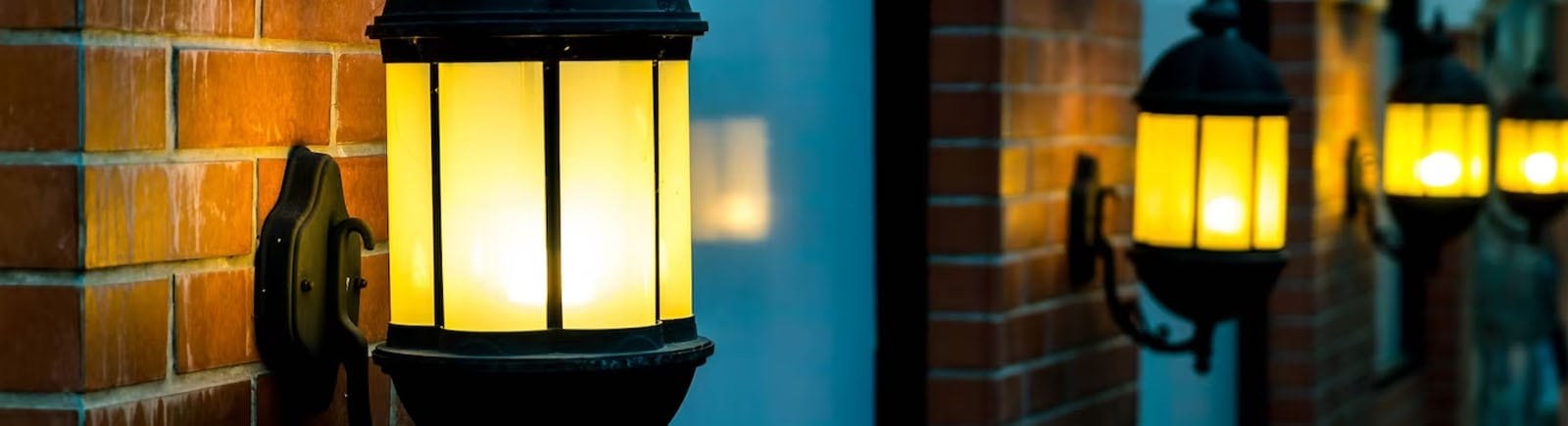
Outdoor lighting fixtures are devices intended for use in outdoor environments and are designed to withstand various weather conditions. They are particularly important for a home, as they extend functionality and comfort to outdoor spaces, while also adding an extra layer of security and elevating the overall design. They represent an investment in both your home and your lifestyle. That is why in this practical guide, you will find smart tips on how to choose the ideal lighting fixtures for your home's exterior.
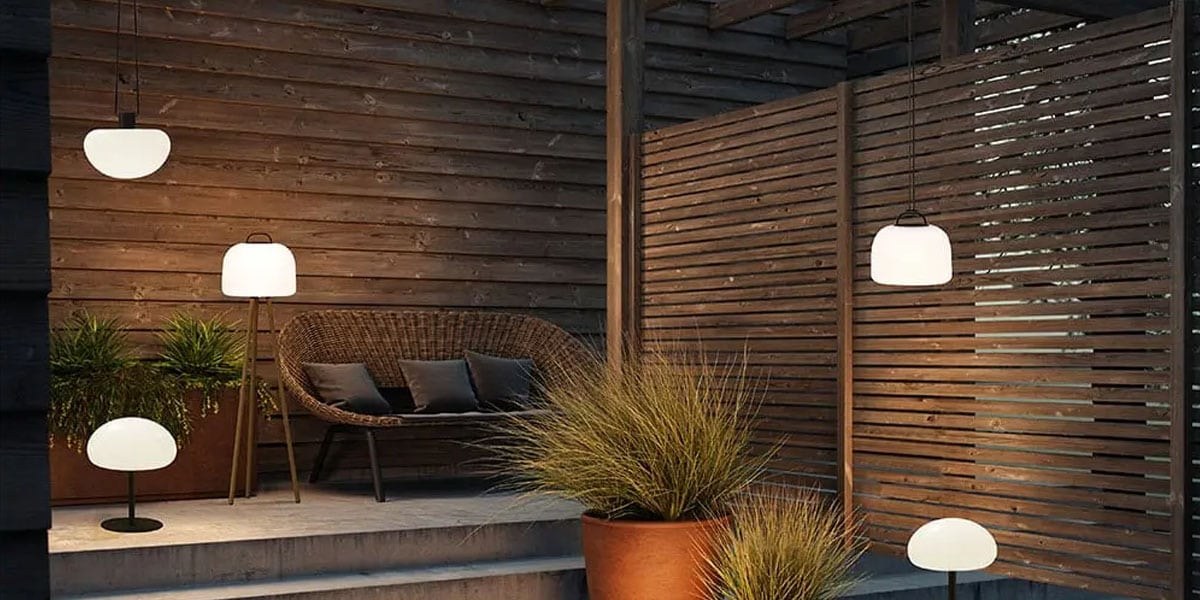
Step 1: Choose the Type of Outdoor Lighting Fixture:
There is a wide variety of outdoor lighting fixtures to choose from depending on your needs and the style of your space. Combine ceiling lights with floor, wall, or table lamps for perfect lighting results in your home's exterior.
Wall Lights:
Outdoor wall lights can be installed in a wide variety of locations, such as terraces, next to entrances, garage doors, and even sheds. They are available in a broad range of designs – both traditional and modern – to match your home's architecture. Many outdoor wall fixtures are equipped with motion or dawn-to-dusk sensors, so they activate automatically when movement is detected within a specific range (the width can reach up to eight meters) or when it gets dark. Therefore, they are a perfect choice for effective energy saving.
Floor Lights:
An excellent choice for modern outdoor spaces is floor lamps, which can be installed along a corridor or at the sides of an entrance to provide atmospheric lighting. They are ideal for highlighting garden paths or entry paths leading to a front door.
Ceiling Lights:
Outdoor ceiling lights are divided into three main categories: pendants, flush mounts, and spots:
Pendant Lights:
Outdoor pendant lights are a great addition to a veranda or a gazebo. Hanging directly from outdoor structures, pendants can offer general lighting and ensure ergonomics and comfort in your space.
Flush Mounts:
Like pendant lights, flush mounts are installed on fixed structures in terraces or gazebos. While providing less direct light than a pendant, a flush mount will still emit enough light to allow you to make the most of your outdoor area. They are preferred in spaces with low ceilings or areas focusing on ergonomics and minimalist design.
Spots:
Outdoor spots can create a unique atmosphere in your home's exterior, as they can be placed along the soffit of the roof to highlight its modern design. These are small, ergonomic fixtures that also function as accent lighting, as they often allow you to adjust their tilt and direct the light exactly where you want it.
Table Lamps:
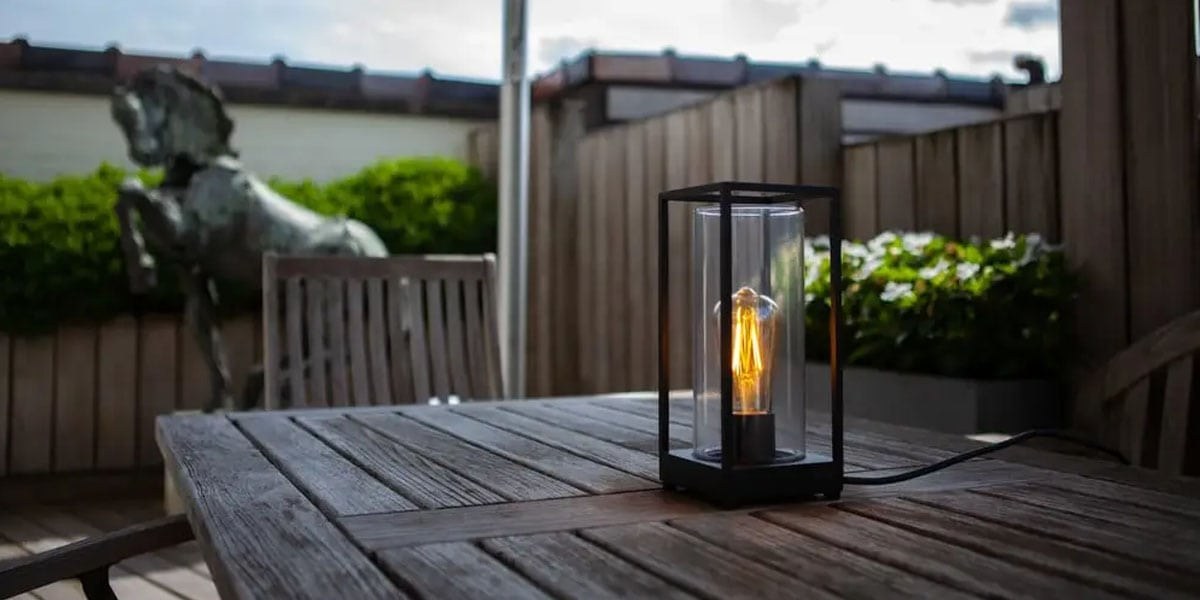
Outdoor table lamps are usually portable and rechargeable, so you can move them easily, quickly, and simply to exactly where you desire. They are auxiliary lighting fixtures that create a unique atmosphere in the space.
Floodlights:
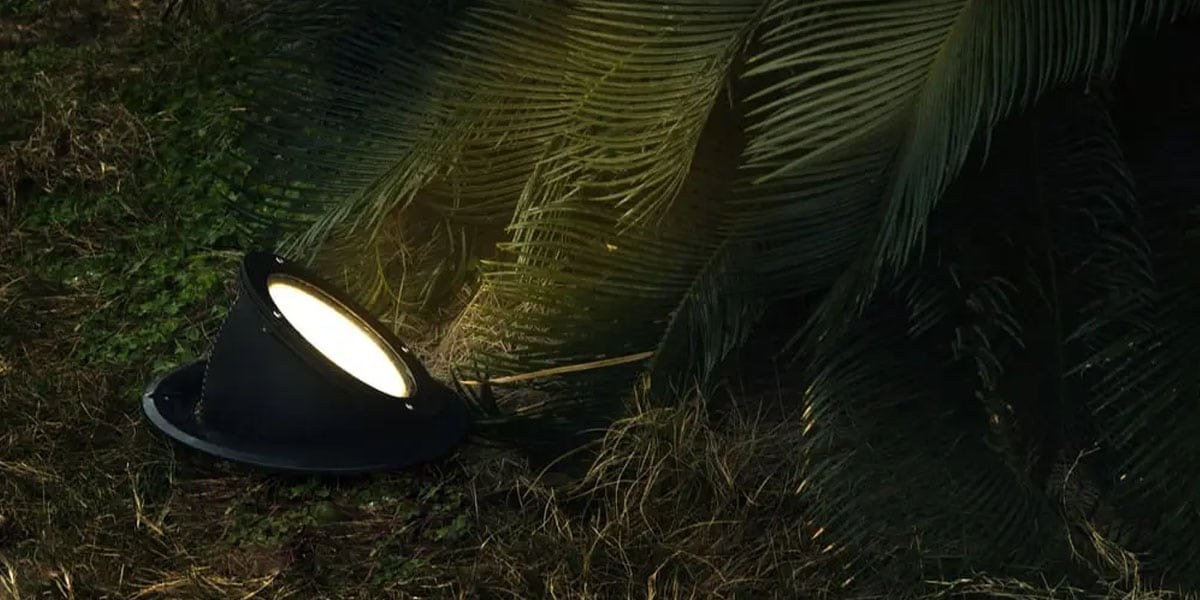
Floodlights are an excellent choice for outdoor lighting, as they produce powerful and concentrated illumination that can light up large areas such as yards, gardens, or patios, providing enough light for various activities. Floodlights can be used to highlight the beauty of your garden, emphasizing trees, rocks, statues, or other decorative elements, creating an impressive visual. They are often adjustable, allowing you to customize the light's angle, height, and intensity. Many floodlights feature built-in timers or motion sensors, activating only when necessary to reduce energy consumption.
Solar Lights:
Solar lights operate using solar energy. They typically include photovoltaic panels that absorb energy from the sun during the day and convert it into electricity. This energy is stored in integrated batteries and used to power the lights at night. Solar lights use renewable energy, reducing dependence on the traditional power grid and lowering operating costs. No wiring is required for their connection, making them easy to install and capable of operating autonomously in various locations.
Tip: For unsheltered outdoor spaces, consider asking your electrician to install the power switch indoors so that during bad weather, you can turn the lights on or off from the safety of your home. Additionally, installing a dimmer for your outdoor lights can help you create the right mood and atmosphere.
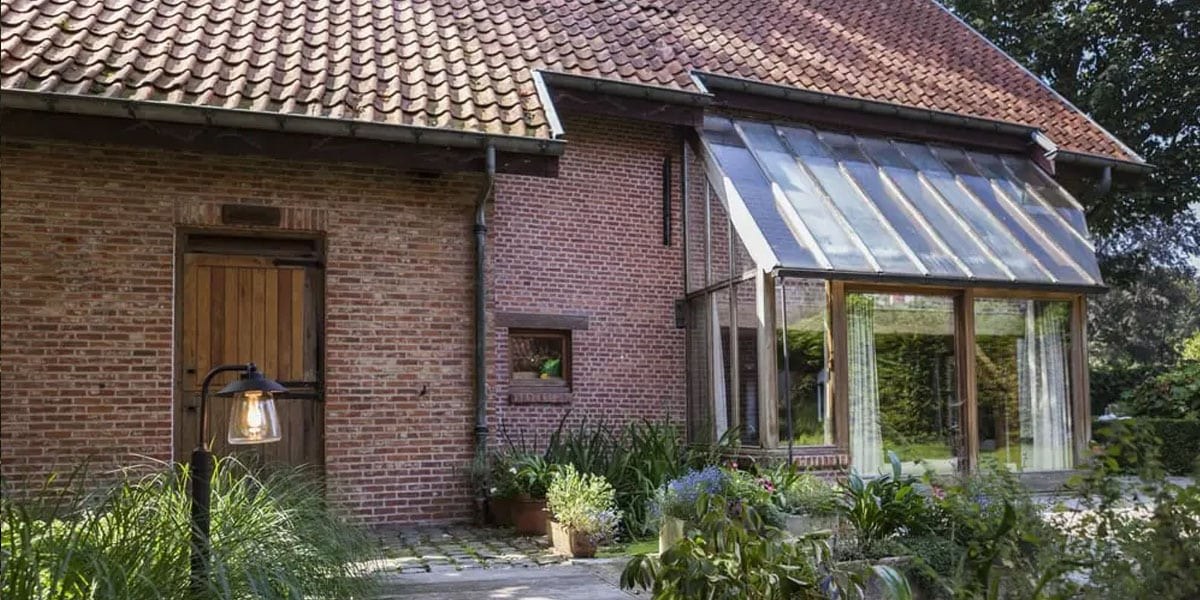
Step 2: Choose the IP Rating of the Fixture:
The weatherproofing of each lighting fixture is indicated by the IP protection rating, assigned as a two-digit number that reveals how well its electrical components are protected. The first digit shows the level of protection against solids (ranging from 0-6), and the second digit indicates protection against liquids (ranging from 0-8). The higher the number, the more protected your fixture is. Always check with a qualified electrician to see if your light can be used in the desired outdoor location. Below is an IP rating chart that can serve as a reference when choosing outdoor lighting:
First digit:
- 0: No protection against the entry of foreign bodies and particles. The 0 can also be represented by the character X.
- 1: Protection against solid objects larger than 50mm (e.g., accidental contact with the hand using an open palm). No protection against intentional body contact.
- 2: Protection against solid objects larger than 12 mm (e.g., accidental finger contact).
- 3: Protection against impacts from solid objects larger than 2.5 mm (e.g., tools and wires).
- 4: Protection against solid objects larger than 1 mm (e.g., fine tools and wires, as well as nails, screws, and other potentially invasive small objects).
- 5: Partial protection from dust and other particles, so that ingress will not harm or prevent the satisfactory performance of internal components.
- 6: Complete protection against dust and other particles (dust-tight).
Second digit:
- 0: No protection against moisture ingress.
- 1: Protection against water droplets falling at an angle up to 15° from the vertical axis.
- 2: Protection against water droplets falling at an angle up to 60° from the vertical axis.
- 3: Protection against water droplets falling at an angle up to 60° from any direction.
- 4: Protection against water splashes from any direction. Tested for at least 10 minutes with an oscillating spray (limited ingress permitted with no harmful effects).
- 5: Protection against low-pressure jets (6.3 mm) of directed water from any angle (limited ingress permitted with no harmful effects).
- 6: Offers protection against powerful jets (12.5 mm) of directed water from any direction.
- 7: Protection against complete immersion for up to half an hour at depths between 15 cm and 1 meter (limited ingress permitted with no harmful effects).
- 8: Protection against extended immersion under higher pressure (i.e., greater depths).
For outdoor lighting fixtures that are not located in a sheltered area, it is generally advisable to have at least the following degree of weatherproofing:
- Protection against solid objects (first digit): Usually, a protection rating above 4 is suitable for outdoor fixtures, as it protects against objects larger than 1mm, such as dust.
- Protection against liquids (second digit): For outdoor lighting exposed to the weather, it is recommended to have at least an IP65 or even IP66 rating. IP65 offers protection from low-pressure water, while IP66 protects against powerful water jets and heavy sprays.
These IP ratings ensure that the fixtures are protected from moisture, rain, and other weather conditions that could affect their performance and long-term durability. It is always important to check the manufacturer's specifications to ensure the fixture meets the required weatherproofing standards for your specific area.
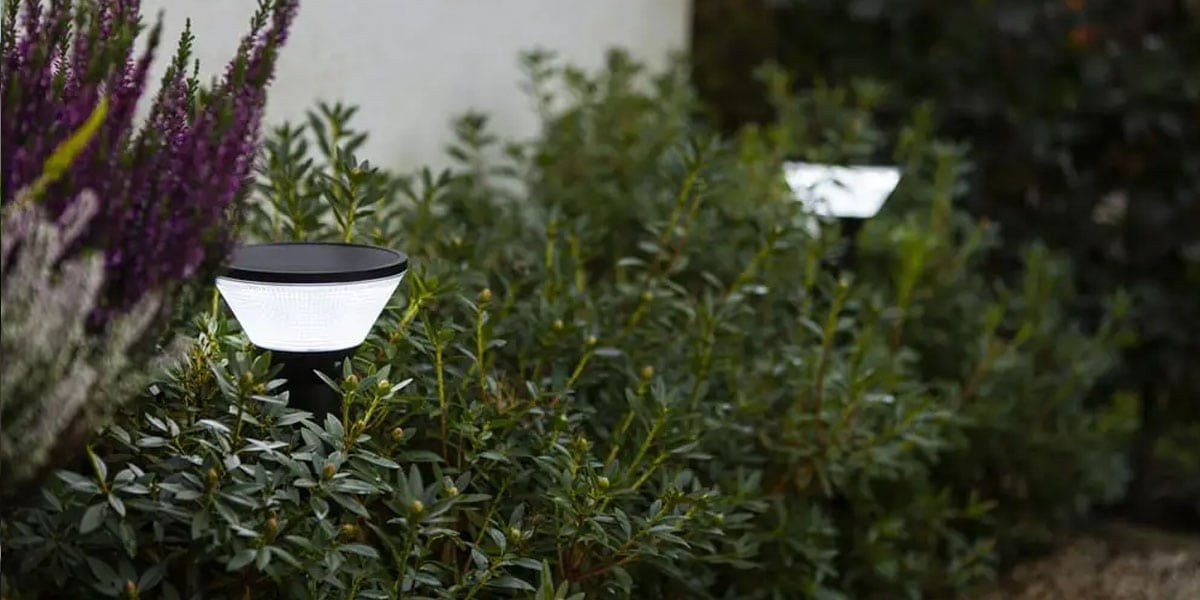
Step 3: Choose the Quality of the Outdoor Lighting:
Outdoor spaces require a level of protection from elements such as wind, rain, and even salt spray. Coastal homes and businesses require specialized outdoor lighting due to high salinity levels in the air. Generally, outdoor lighting fixtures are constructed from tougher metals such as copper, stainless steel, and bronze. Some materials are better suited for specific environments, but all serve a dedicated purpose.
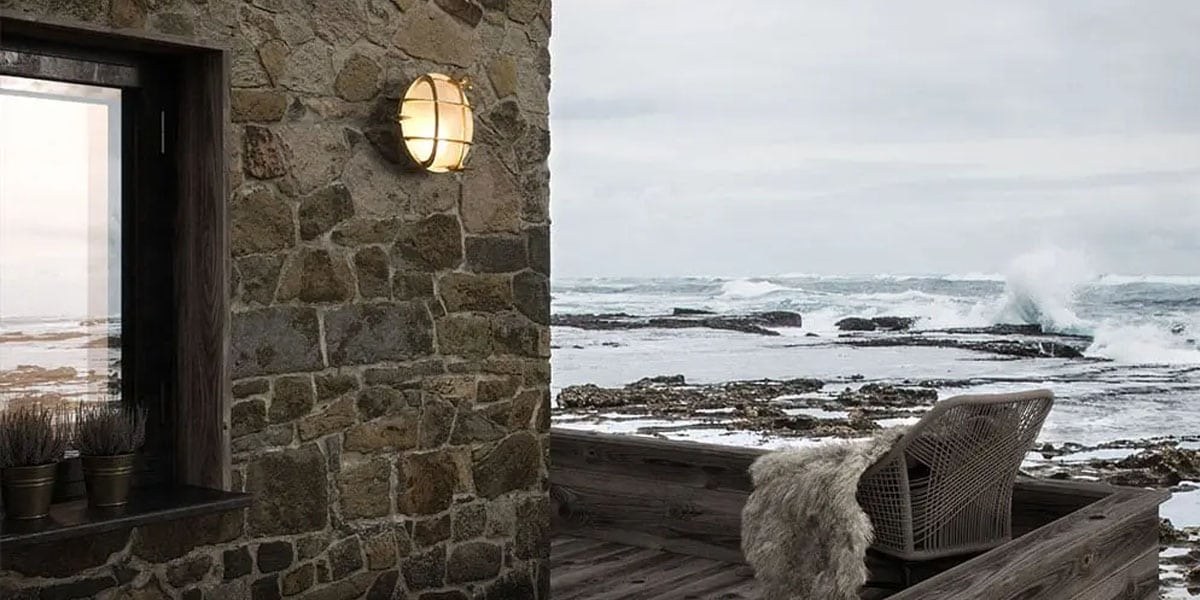
Copper & Brass Outdoor Lighting:
These are known as "red" metals, which become immune to the elements once oxidized.
Advantages:
- Natural Beauty: Copper and brass possess a warm, natural beauty that adds character to your exterior. Over time, they develop an interesting patina that makes the fixture even more charming.
- Durability and Longevity: These are rugged materials that can withstand harsh weather and moisture without corroding or degrading significantly.
- Maintenance: While the appearance changes gradually, copper or brass fixtures require little maintenance. You can simply let them develop their natural patina over time.
- Sustainable Choice: Copper and brass are recyclable materials, making them an environmentally friendly choice.
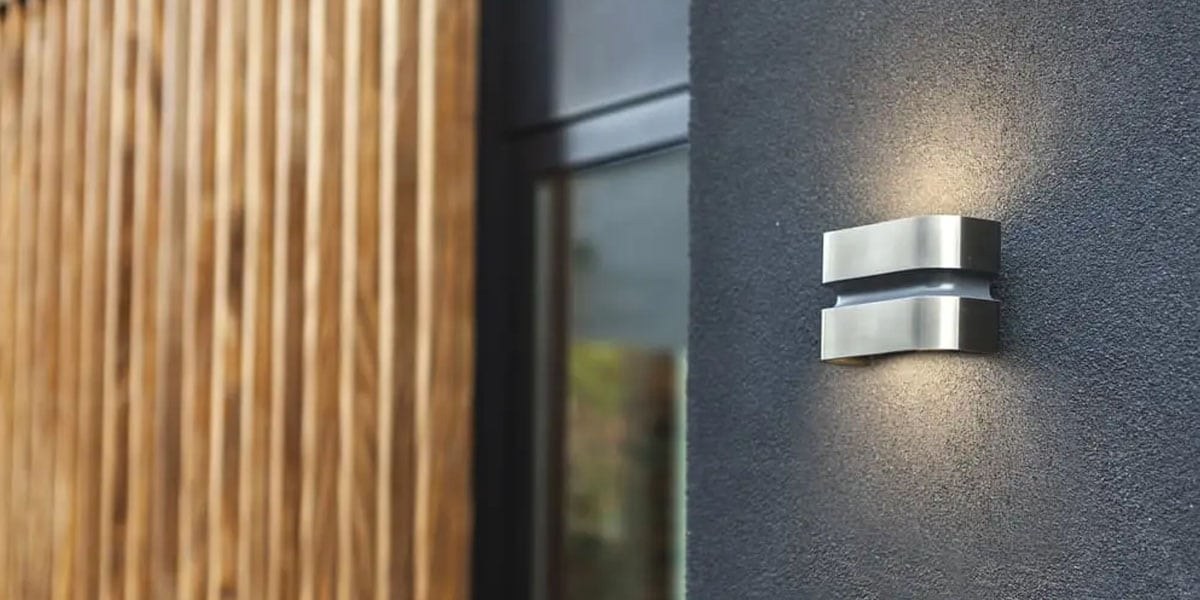
Stainless Steel Outdoor Lighting:
This is a highly popular material for outdoor use. Stainless steel is especially recommended for coastal areas as it offers excellent resistance to salt damage.
Advantages:
- Corrosion Resistance: Stainless steel is resistant to rust and oxidation, making it ideal for outdoor environments where moisture and weather could damage other materials.
- Weather Resilience: It can endure extreme conditions such as rain, snow, UV radiation, and high temperatures without losing its aesthetic or functionality.
- Design Versatility: Stainless steel is easily shaped into various modern designs, allowing you to choose fixtures that perfectly match your space.
- Maintenance: It requires minimal upkeep and does not need painting or special treatments to stay protected from corrosion.
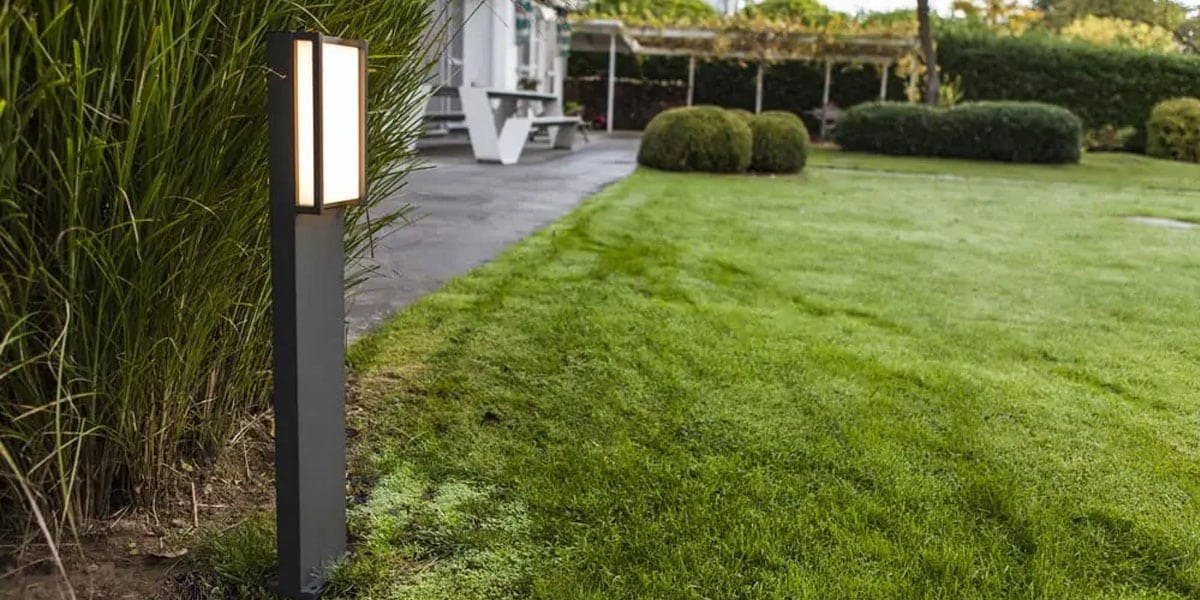
Aluminum Outdoor Lighting:
Aluminum is a very common material used in lighting because it does not rust. Often, it is anodized to create a protective coating that gives the aluminum a polished, sleek finish.
Advantages:
- Weather Durability: Aluminum resists corrosion and weather-wear, making it ideal for outdoor use. It won't rust from humidity, rain, sunlight, or temperature fluctuations.
- Lightweight: Despite its durability, aluminum is light, making fixtures easier to install on walls and ceilings.
- Modern Aesthetic: Aluminum offers a contemporary and sophisticated look that complements modern outdoor decor.
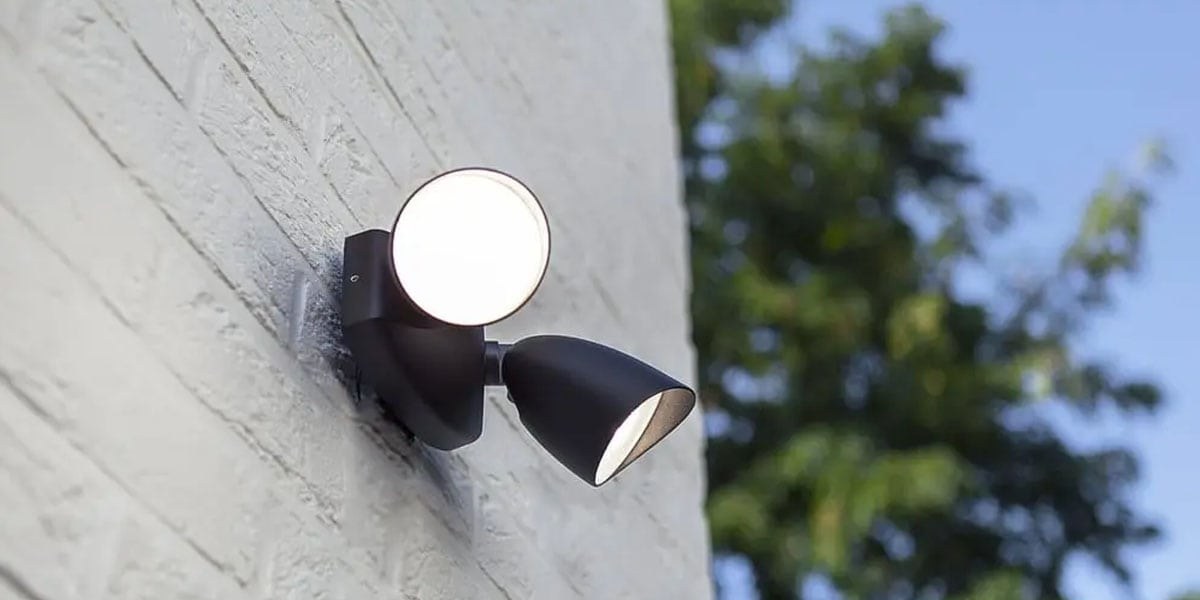
Metal Outdoor Lighting:
Choosing a metal outdoor fixture offers longevity and enriches your space with specific design functionality.
Advantages:
- Strength: Metal fixtures are generally robust against impacts and external factors, making them suitable for heavy outdoor use.
- Variety of Designs: Metal is a flexible material that can take on modern, classic, or industrial styles.
- Finish Options: It supports various finishes like paint, patina, or gloss, adding style and character to your light fixture.
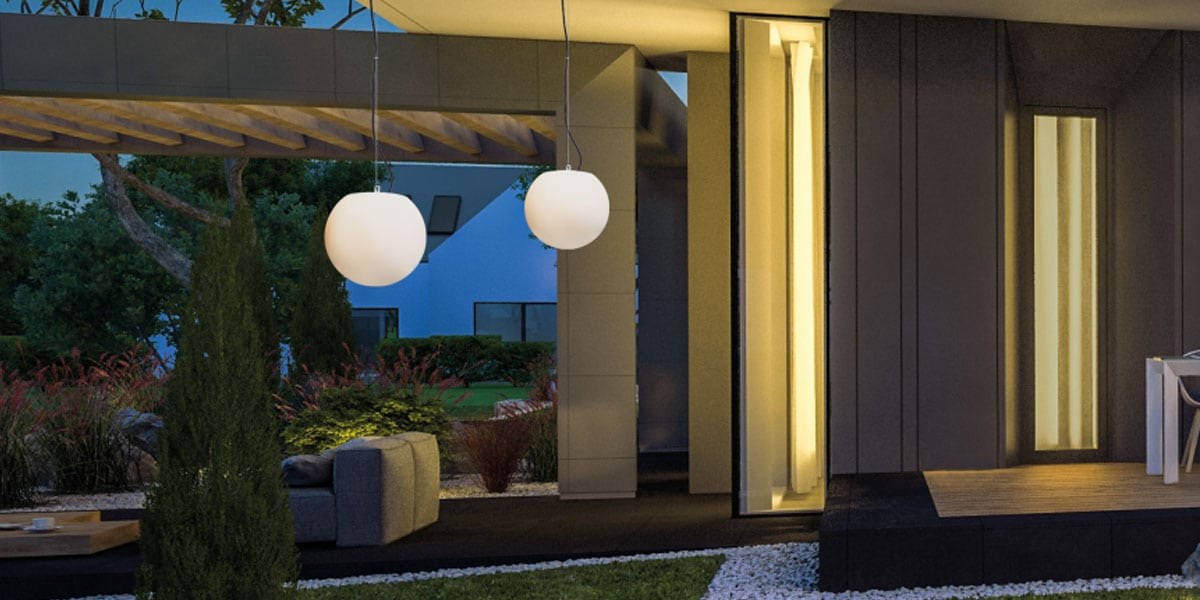
Glass Outdoor Lighting:
Glass fixtures offer a distinct aesthetic and high functionality for your home's exterior.
Advantages:
- Aesthetic Beauty: Glass adds an elegant and discreet touch. It can create enchanting plays of light and shadow, adding dimension to your space.
- Transparency: It allows light to pass through clearly, creating bright and atmospheric effects.
- Easy Maintenance: Glass is easy to clean; dust and rain spots can be wiped away quickly with a cloth.
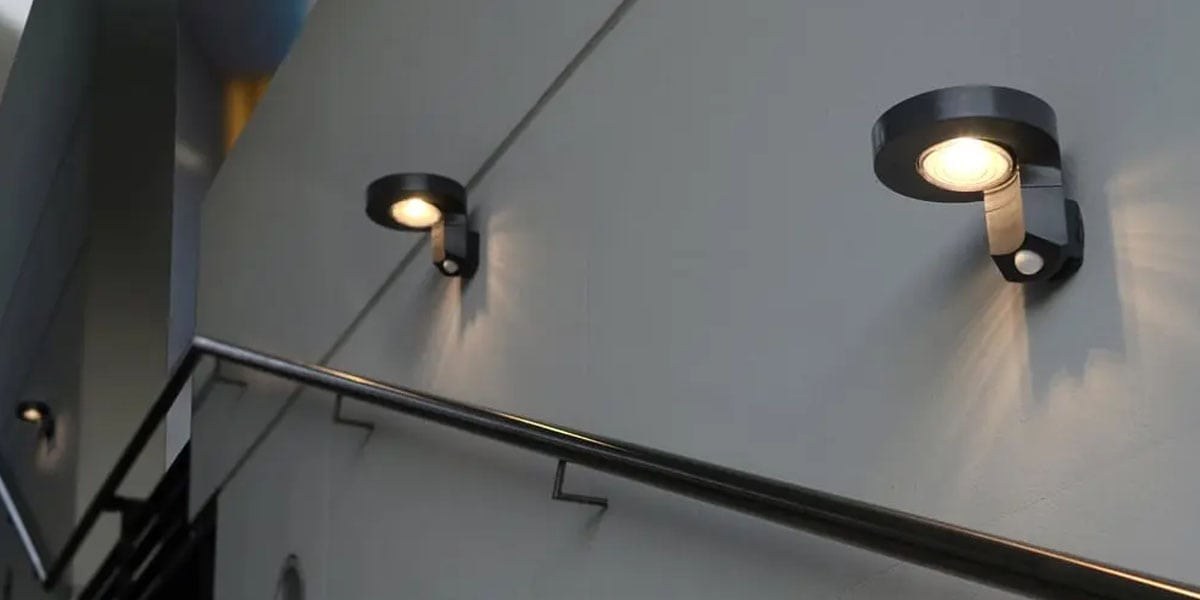
Plastic Outdoor Lighting (ABS / PVC / Polycarbonate / Acrylic / PE):
By choosing a fixture made of ABS, polycarbonate, PVC, PE, or acrylic, you find an option that combines aesthetics with high durability.
Advantages:
- Weather Resistance: Materials like polycarbonate and ABS are resistant to UV radiation, rain, and temperature fluctuations.
- Impact Resistance: These materials are highly durable against knocks and drops, making them suitable for high-traffic areas.
- Cost-Effective: In many cases, plastic-based materials are the most economical choice compared to metals.
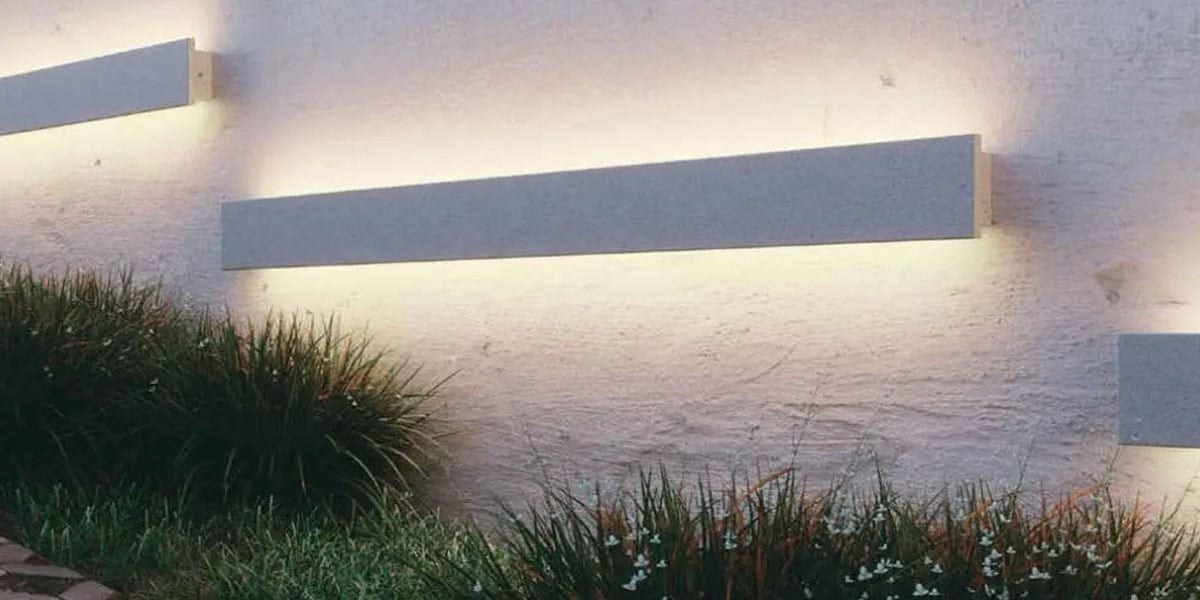
Concrete Outdoor Lighting:
Concrete lighting creates an original and impressive look that adds a unique feel to your space.
Advantages:
- Industrial Aesthetic: Concrete offers a modern, industrial look that complements various exterior design styles.
- Texture: It creates a wonderful tactile surface that adds depth to your lighting scheme.
- Durability: Concrete is an incredibly tough material that withstands harsh weather without damage.
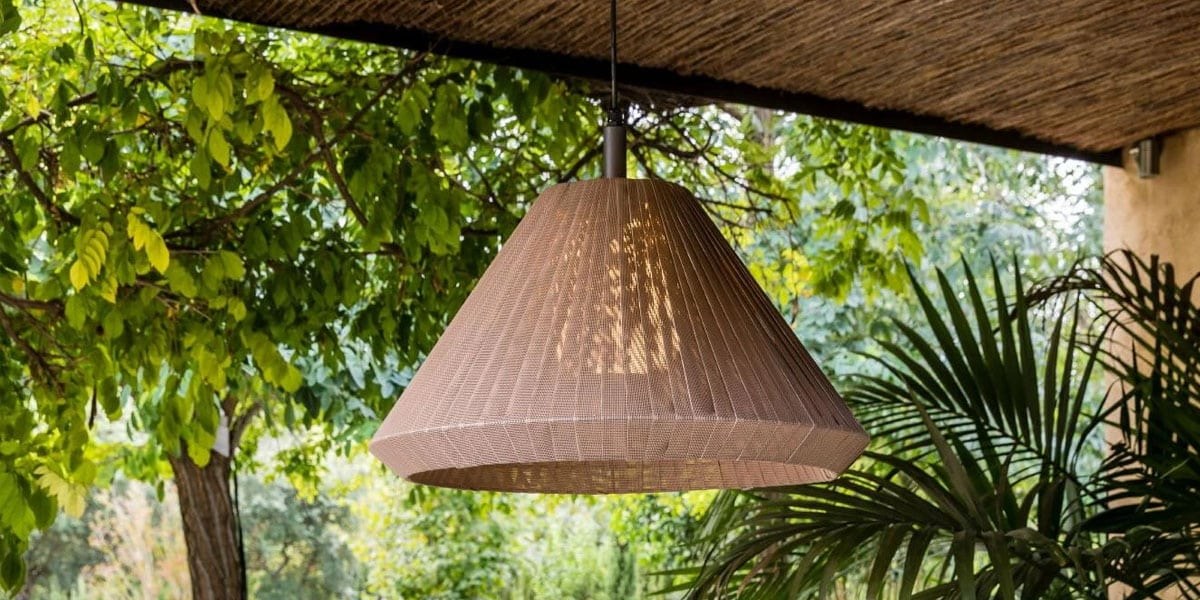
Rope, Rattan & Bamboo Outdoor Lighting:
Choosing an outdoor lighting fixture made of rope, rattan, or bamboo adds a natural and organic character to your exterior. However, it is vital that these materials are only placed in sheltered outdoor areas and fully protected from direct weather exposure.
Advantages:
- Natural Aesthetic: These materials create a warm, friendly, and organic atmosphere.
- Exotic Character: Rattan lamps add a sophisticated touch of "natural luxury" to your space.
- Sustainability: Being natural materials, they are eco-friendly and sustainable.
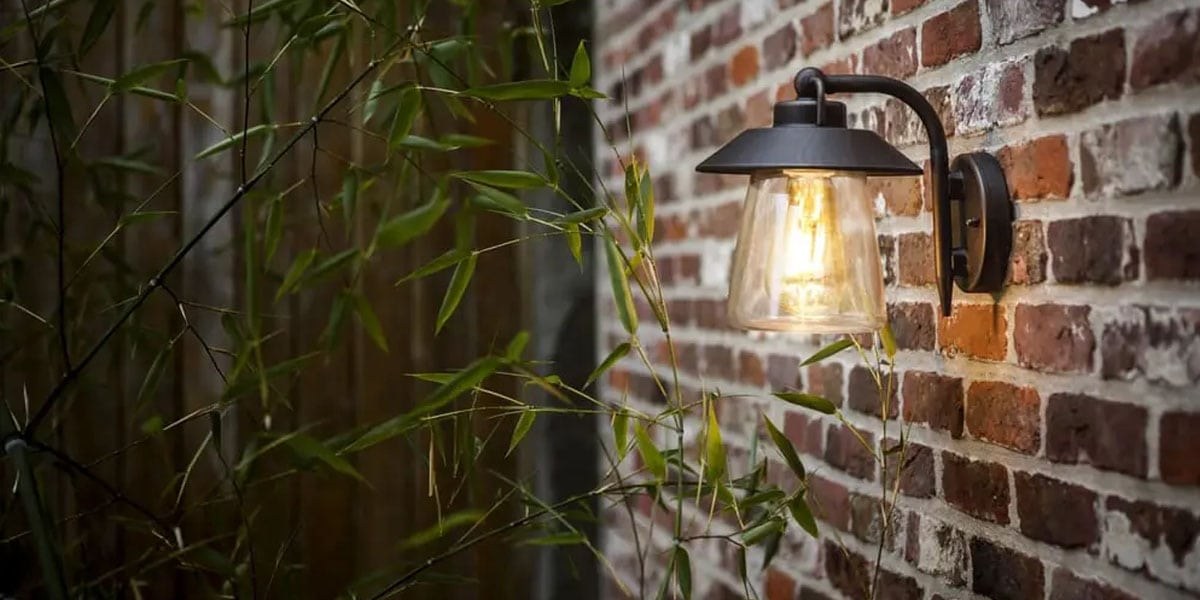
Combined Material Outdoor Lighting:
Combining materials allows you to benefit from different properties (e.g., metal strength with glass transparency) for a unique result.
Advantages:
- Aesthetic Contrast: Mixing materials adds depth and personality to the design.
- Innovation: These designs are often more creative and can serve as a focal point for your outdoor decor.
Step 4: Choose Between Integrated LED Light Sources or Replaceable Bulbs:
The choice between outdoor lighting with an integrated LED light source or fixtures with a bulb socket has advantages and disadvantages that you should consider. Below is an analysis of each option:
Fixtures with Integrated LED Light Source:
Advantages:
- Easy Installation: You don't need to purchase a separate LED light source or install bulbs, as the source is already built into the fixture.
- High Efficiency: Integrated LED fixtures are usually designed with the latest technology, offering high brightness and energy efficiency.
- Smart Lighting Capabilities: Many integrated LED fixtures can be connected to smart lighting systems and may include motion sensors or dawn-to-dusk sensors.
Disadvantages:
- Limited Upgradability: Once the LED source reaches the end of its lifespan, the entire fixture usually has to be replaced if it doesn't support source replacement.
- Permanence: You don't have the option to change the brightness or light color if you change your mind in the future.
Fixtures with Bulb Socket:
Advantages:
- Replacement Flexibility: You can choose the type, light color, wattage, and brightness of the bulb you want and replace it whenever you prefer.
- Sustainable: When a replacement is needed, you can simply change the LED bulb instead of replacing the entire fixture.
Disadvantages:
- Extra Cost: In addition to the fixture, you must purchase the bulb, adding an extra initial cost.
- Maintenance Requirements: Bulbs will need to be replaced periodically, and some maintenance may be required for the fixture's optimal performance.
Ultimately, the choice depends on your priorities. If you want convenience and ready-to-use solutions, integrated LED fixtures may be the best choice. If you are looking for flexibility and sustainable lighting, fixtures with sockets for LED bulbs may be more suitable.
Step 5: Choose the Light Color for Outdoor Spaces:

Choosing the light color for outdoor lighting depends on personal preference, functional needs, and the atmosphere you wish to create. Each color temperature has its own characteristics and applications:
1. Warm White (2700K - 3000K): Warm white light offers a cozy and inviting atmosphere, similar to sunset light. It is ideal for relaxing outdoor areas like terraces, patios, and entertainment spaces.
2. Neutral White (4000K - 4500K): Natural white light provides a balanced atmosphere and is suitable for many uses, such as gardens, plant care, and general outdoor leisure areas.
3. Cool White (5000K - 6500K): Cool white light offers a bright and invigorating environment. It is suitable for security lighting, driveways, and workspaces.
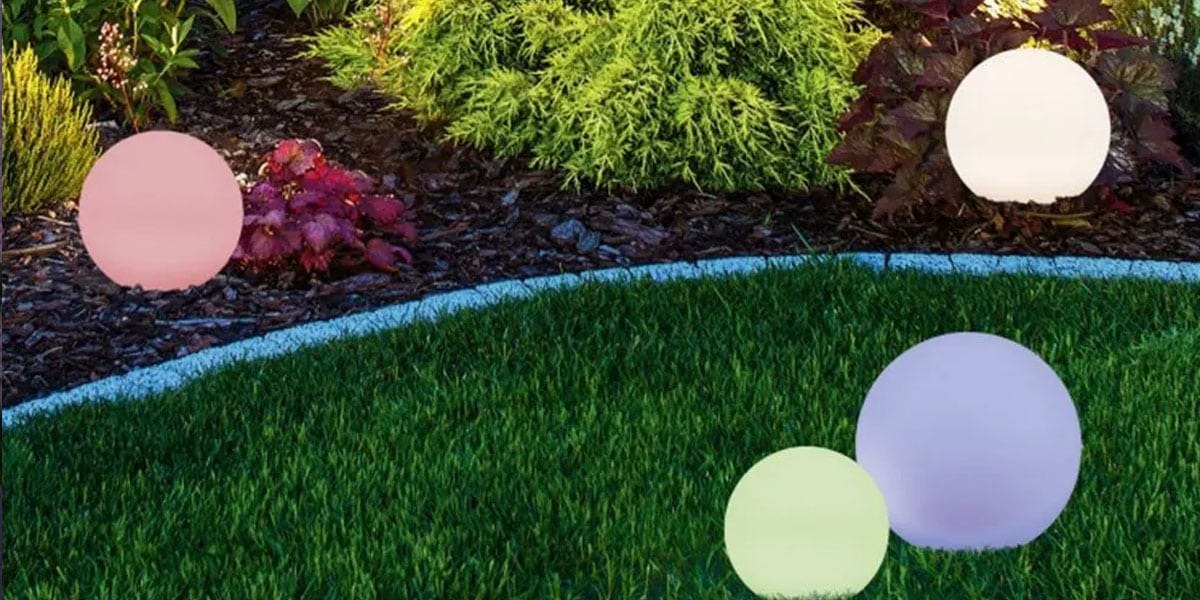
4. Color Changing (RGB): Color-changing light sources can create impressive effects and moods, ideal for special events, creative decoration or wall-washing.
The best way to select the right light color is to consider the use of the outdoor space, the mood you want to set, and your personal style. You can also combine different light colors to create interesting effects and customize the lighting based on the occasion.
Step 6: Choose the Style of the Lighting Fixture:
The choice of outdoor lighting style depends on your aesthetic preference, the architectural type of your home, and the overall design of your outdoor space.
Classic Outdoor Lighting:
Classic fixtures feature a timeless aesthetic with elegant lines, simple designs, and subtle decorative elements. They are an ideal choice for classic, traditional, and perennial homes, as well as for spaces aiming for a sophisticated and enduring feel.
Modern Outdoor Lighting:
Modern fixtures possess clean lines and geometric shapes, utilizing contemporary materials and technologies. They are suitable for modern, minimalist, and contemporary homes, as well as for spaces seeking a sharp, current aesthetic or the creation of architectural lighting.
Vintage Outdoor Lighting:
Vintage fixtures are inspired by past eras and feature characteristic elements such as wood, metal, and decorative retro details. They are perfect for homes with retro, vintage, or oriental decor, as well as for spaces that want a unique and refined character.
Step 7: Choose the Color of the Fixture:
Choosing the color of your outdoor lighting fixture depends on the overall style of your outdoor space, your aesthetic preference, and the goal you want to achieve. Here are some factors to consider when choosing the color:
- Consistency with Style: Choose a color that is consistent with the style of the exterior. For example, for classic homes, traditional colors like black, bronze, and brown are often the most suitable. For modern homes, you might consider more contemporary colors like gray, white, or even bold colors for contrast.
- Environment and Location: Think about the environment and the location of the fixture. What color will blend with the natural colors around you? For example, if your outdoor space has many plants and natural elements, a lighting fixture in natural tones like green or brown might integrate better.
- Contrast or Harmony: If you want to create contrast, you can choose a fixture with a bold color that stands out from its surroundings. If you want to create harmony, you can choose a color that matches existing elements, such as your outdoor furniture, decorations or plants.
- Personal Preference: Most importantly, choose a color that you love and that reflects your personality and style.
We have explored a multitude of important aspects to consider when choosing the ideal lighting for your outdoor space. From materials and styles to colors and light sources, we’ve seen how the right lighting choice can enhance the aesthetics, functionality, and safety of your home.
designdrops features a wide variety of exquisite lighting fixtures in various styles and materials, offering options that satisfy every aesthetic and need. With attention to detail and quality, designdrops outdoor lighting is an ideal ally for upgrading your garden or terrace. Visit designdrops and discover a wealth of premium lighting fixtures that will inspire you to create a beautiful and functional home.
At designdrops you will also find lighting buying guides and lighting cleaning guides, which contain valuable tips to help you choose the ideal fixtures and keep them looking like new!
The information below is required for social login
Sign In
Create New Account