


Cleaning Guide for Pacifiers - Bottles
Pacifiers and bottles are items that come into daily contact with the baby's mouth and can easily transfer germs and bacteria. Therefore, proper cleaning and disinfection are essential for the baby's health.
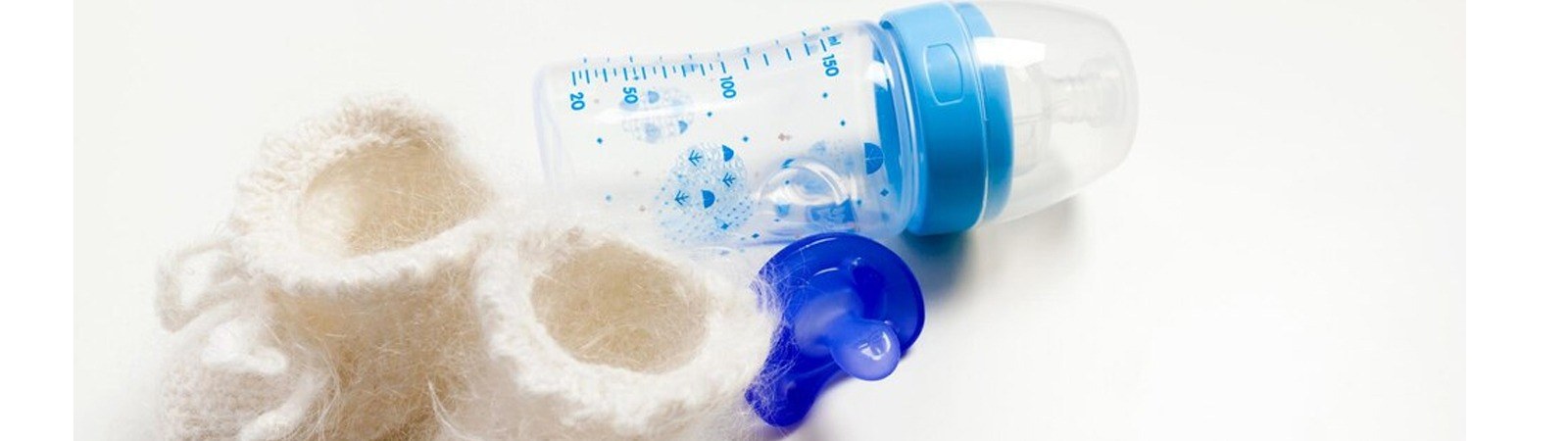
1. Cleaning and Sterilization Frequency
- Daily cleaning: Wash pacifiers and bottles after every use to remove saliva, milk, or food residue.
- Sterilization:
- For newborns up to 6 months: Daily or after every use.
- For babies over 6 months: Every few days, as their immune system is more developed.
- After dropping on the floor: If the pacifier or bottle falls on the floor or in an unsterilized environment, clean and sterilize immediately.
- After illness: If the baby has been sick, sterilize daily to remove viruses and germs.
2. Pacifier and Bottle Cleaning Methods
A. Hand Washing
Pacifier:
- Rinse the pacifier immediately after use with lukewarm water.
- Use mild soap without fragrances or chemicals.
- Gently scrub with a special pacifier brush (or clean sponge).
- Rinse thoroughly with plenty of running water.
- Allow it to dry in a clean and dry place.
Tip: Do not use regular detergents, as they may leave residue.
Bottle:
- Separate all parts of the bottle (bottle, nipple, cap, ring).
- Rinse with plenty of cold or lukewarm water immediately after use to prevent milk residue from drying.
- Use a specialized bottle brush and carefully clean the inside.
- Nipple cleaning: Use a smaller brush to clean the nipple hole. Then, squeeze the nipple between your fingers under running water to remove any residue.
- Use mild detergent (without fragrance and chemicals).
- Rinse well all parts with plenty of clean water.
- Dry on a clean surface or bottle drying rack.
Tip: Avoid washing bottles with the kitchen sponge, as it may transfer bacteria.
B. Dishwasher Washing
Pacifier:
- Most pacifiers are dishwasher safe (check the manufacturer's instructions).
- Place them in a special mesh bag or container for small items so they don't get lost.
- Select a program above 50°C for thorough disinfection.
- Let them air dry naturally after washing.
Bottle:
- Most bottles are dishwasher safe (check the manufacturer's instructions).
- Place them on the top rack of the dishwasher.
- Use a program above 50°C for proper disinfection.
- Select a drying cycle to avoid moisture which promotes bacterial growth.
Caution: Some bottles and nipples may be damaged in the dishwasher, so read the instructions for use.
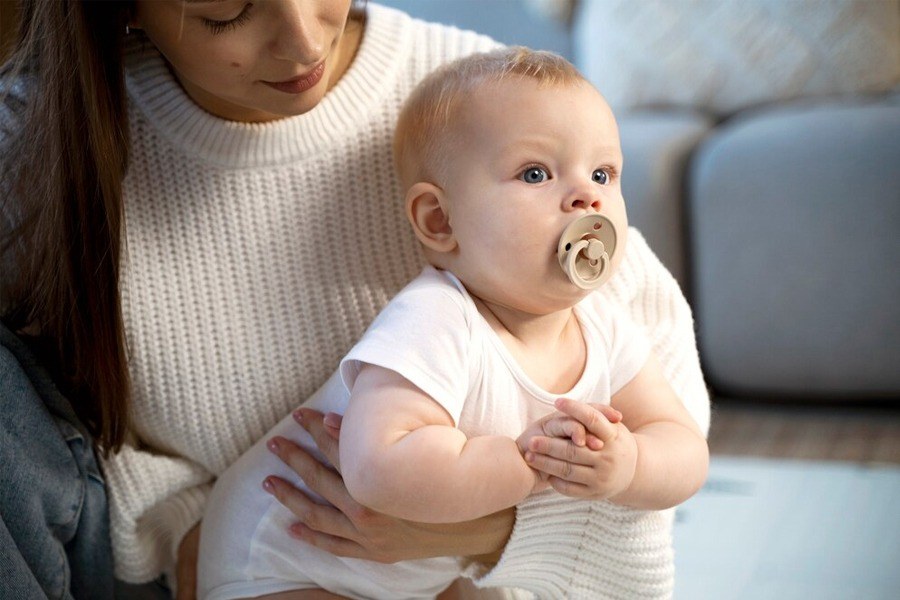
3. Sterilization Methods
For babies under 6 months, sterilization is particularly important. There are various sterilization methods.
A. Boiling in Water (Traditional Method)
- Bring water to a boil in a pot.
- Submerge the pacifiers and bottles (disassembled) in the water.
- Let them boil for 5-10 minutes.
- Remove them with clean tongs and place them on a clean cloth to dry.
Caution: Do not boil silicone pacifiers too often, as they may wear out.
B. Steam Sterilization (Steamer or Steam Sterilizer)
- Place the pacifiers or bottles in the sterilizer.
- Follow the manufacturer's instructions (usually 5-10 minutes of steaming).
- Allow them to cool and dry them before use.
Tip: Electric sterilizers are fast and ideal for daily use.
C. Microwave Sterilization
- Place the pacifiers or bottles in a special sterilization container (or bowl with water).
- Heat for 2-3 minutes at maximum power.
- Allow them to cool before use.
Caution: Some pacifiers are not suitable for microwaves. Check the manufacturer's instructions.
D. Sterilization with Disinfecting Solution (Cold Method)
- Use special sterilization tablets
- Dissolve them in cold water.
- Place the pacifiers in the solution for 15 minutes or the bottles for 30.
- Rinse well with sterilized water before use.
4. Drying and Storage
- After cleaning, let the pacifiers dry on a clean surface or on paper towels.
- Do not wipe them with a towel, as germs may be transferred.
- Store them in a clean storage box, away from dust and moisture.
Tip: This method is ideal for travel or when there is no access to hot water.
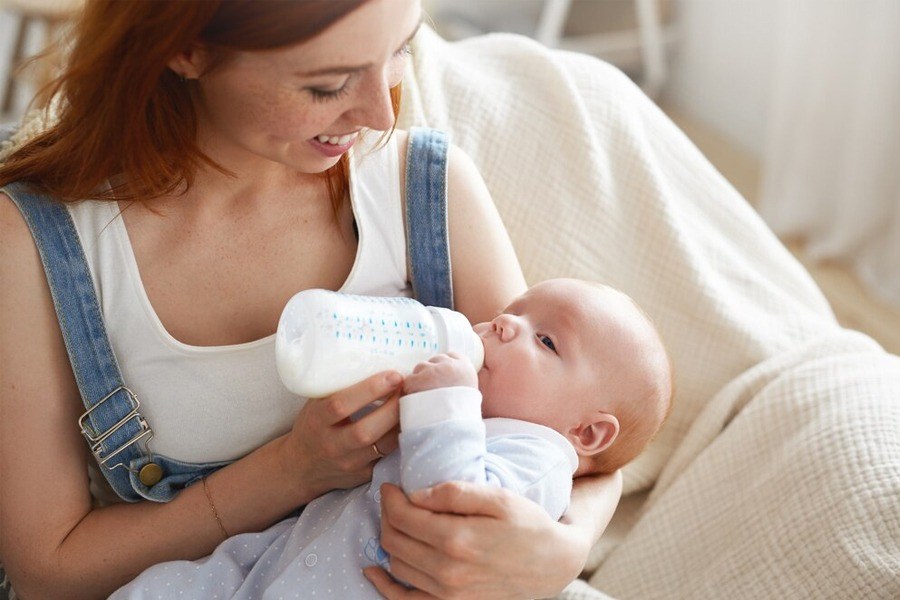
5. When to Replace a Pacifier or Bottle
Even with proper cleaning, pacifiers and bottles wear out and must be replaced regularly.
- Every 4-6 weeks (depending on usage).
- If you notice cracks, tears, or deterioration.
- If they have changed color or have a sticky texture.
- If the pacifier does not return to its original shape after pressure.
6. Additional Tips
- Do not put the pacifier in your mouth to "clean" it – you may transfer bacteria to the baby.
- Avoid washing with harsh soaps or chemical detergents.
- Do not tie the pacifier with a cord around the baby's neck – there is a risk of strangulation.
- Always have clean, spare pacifiers, so you are not forced to use dropped ones.
- Do not fully assemble bottles before they dry, as moisture can cause microbial growth.
- Let the bottles dry upside down on a clean drying rack.
The information below is required for social login
Sign In
Create New Account