


Table Lamp Shopping Guide
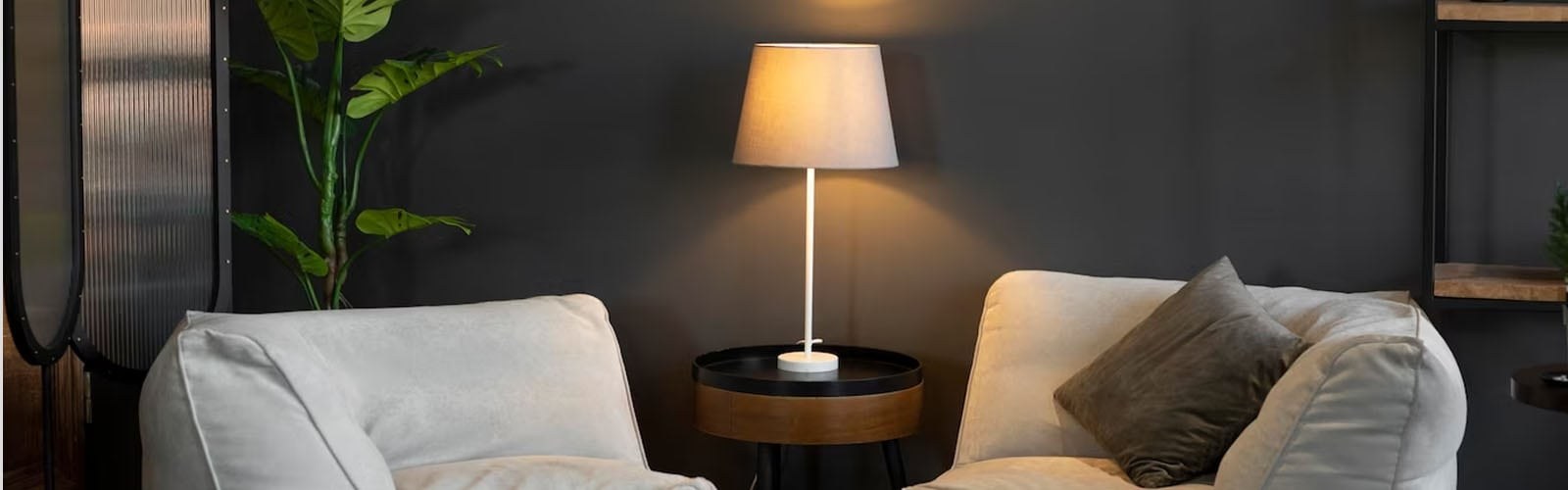
Table lamps are an essential part of every living space and are ideal for illuminating and decorating your home in a warm, welcoming way. But choosing the right table lamp can prove difficult, as you must take several factors into account. The following guide helps you solve the purchase dilemma while providing valuable information to choose the ideal table lamps for your space.
Step 1: Choose the Size of the Table Lamp:
The size of the table lamp is an important factor to keep in mind during your purchase. Generally, table lamps should not be more than one and a half times the height of the table or furniture they are placed on. To ensure your table lamp fits perfectly, consider measuring the diameter of your table as well as its height.
Since table lamps are often used while sitting or lying down, the viewing angle or height is another thing to consider. Make sure the bottom of the lampshade falls at approximately your eye level. This height will prevent discomfort from direct exposure to the bulb's light when sitting on the bed or sofa, helping you read and interact with others without excessive eye strain. Choosing a lamp where the bottom of the shade is at eye level also ensures direct light when using it for reading, helping you have sufficient illumination.
Step 2: Consider the Functionality of the Table Lamp:
Identify the purpose for which your table lamp will be used, as each use requires lamps with different characteristics.
Reading Lamps – Bedside Lamps:
Reading lamps or bedside table lamps are designed to provide focused light to allow you to read without any eye strain. Based on your reading habits, these table lamps can adapt to changing conditions, as many feature dimmers or color-changing technology that allow you to adjust the intensity or color of the light. Additionally, reading lamps usually feature flexible or tilting arms to direct light toward your book, helping you enjoy reading to the fullest without tiring your eyes.
Buffet & Sideboard Lamps:
Buffet table lamps are an excellent lighting addition if you regularly gather for meals with family and friends. For a buffet, table lamps with tall and slender structures are preferred to help highlight the elegance of your room, acting as decorative pieces. Their design also makes them valuable for lighting items on the table, with their primary use being functional during meals. These are often placed in pairs on serving tables, buffets, and consoles, allowing you to easily see various foods on the table. Their soft light offers an inviting mood, providing a sense of relaxation throughout the space.
Desk Lamps:
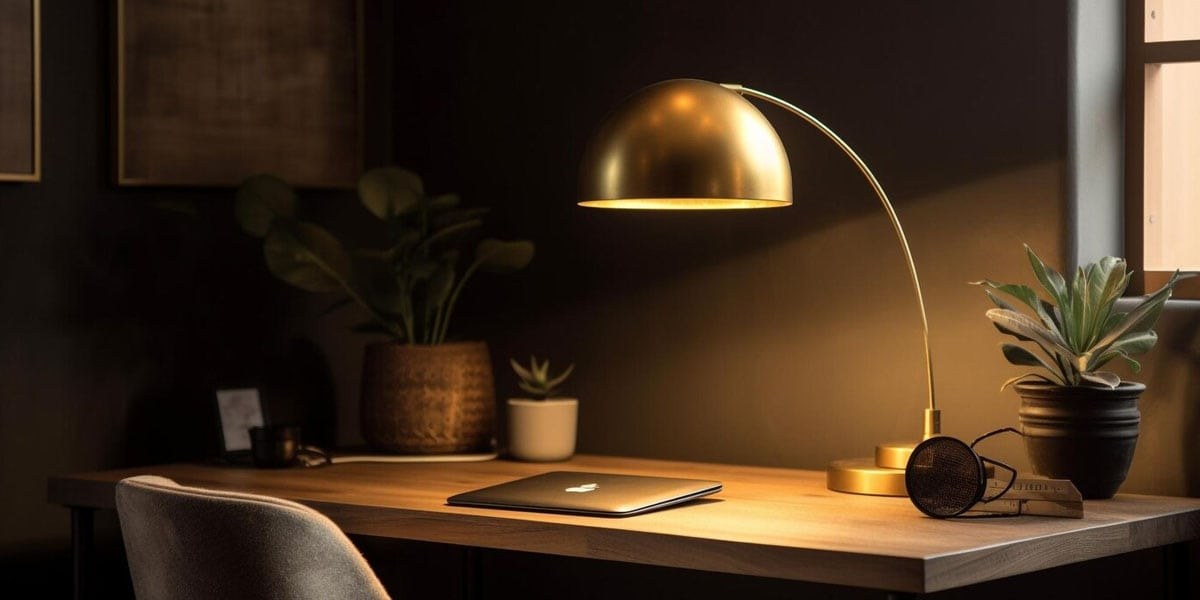
Desk lamps are another addition to the table lamp category that provide task lighting. These are often used on desks at home as well as in professional environments, providing rich and targeted light to help you type easily on your computer or illuminate paperwork. Desk lamps typically feature adjustable arms and shades, allowing you to adapt them to your specific needs. Also, desk lamps often feature dimmers and CCT (changing color temperature) technology, as well as USB charging ports for electronic devices or bases that support wireless charging for such devices.
Accent Lamps:
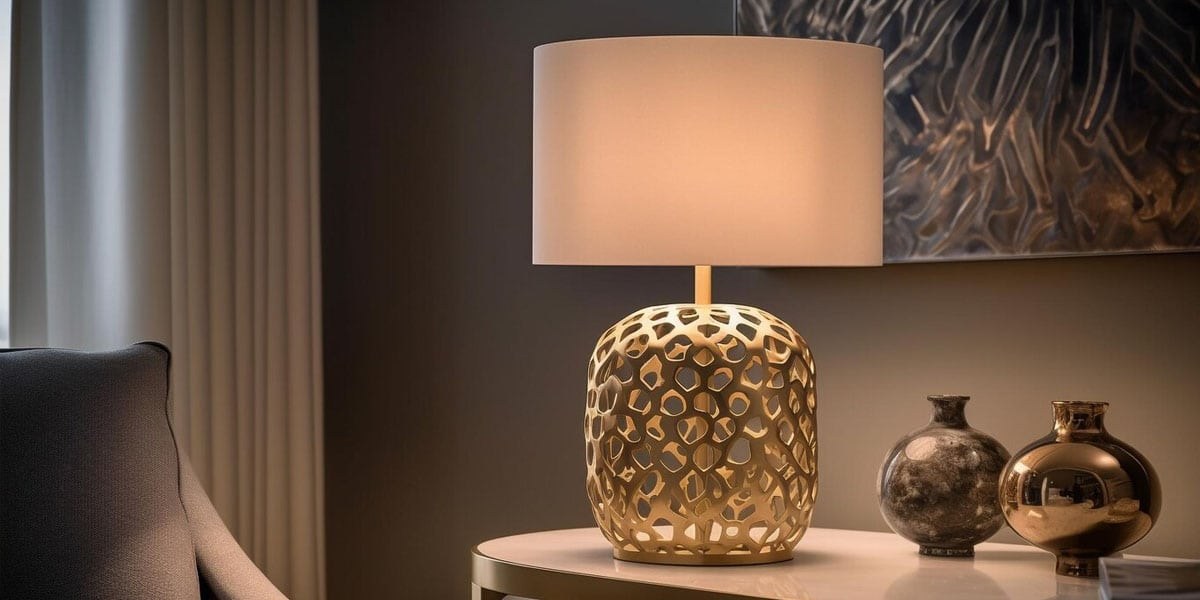
Accent table lamps are useful for multiple purposes, providing atmospheric lighting in your room while enhancing the interior decoration theme of your space. Besides this, they can also be used to add a decorative touch, helping you introduce texture to your room. You can add a table lamp to a side table next to the sofa, on a bookshelf, or on a wall shelf, to highlight specific corners and decorative elements of the room.
Step 3: Choose the Quality of the Table Lamp:
The choice of material for your table lamp is important, as it affects both the appearance and the functionality of the fixture. Each material has its advantages and is suitable for different types of decoration and uses. Let’s analyze the most common materials and their benefits:
Metal Table Lamps (Aluminum, Steel, Brass):
Metal fixtures are often contemporary and modern, featuring clean lines. They are durable and can come in various finishes such as matte, glossy, or antique. They are ideal for industrial and modern environments.
Wood / Rattan / Bamboo Table Lamps:
Wooden lamps bring warmth and a natural style to the space. They can be made from various types of wood, each with its own character (e.g., oak, cherry, bamboo). They are suitable for natural and rustic decorations.
Ceramic / Clay / Plaster Table Lamps:
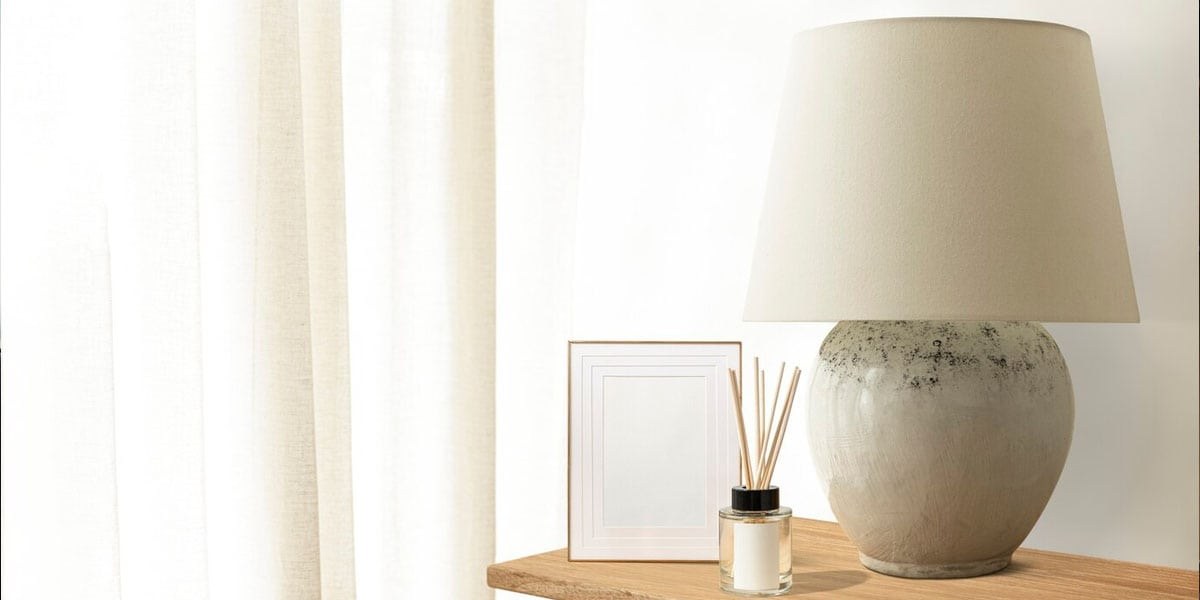
Ceramic lamps are elegant and timeless, with a variety of designs and colors. Many ceramic fixtures feature handcrafted elements, adding uniqueness. They are suitable for Mediterranean, traditional, or country-style decors.
Glass Table Lamps:
Glass fixtures add sparkle and elegance. The glass can be transparent, translucent, opal, or even colored. They enhance the light and can add a decorative touch to modern, minimalist, or even eclectic decors.
Fabric Table Lamps:
Fixtures with a fabric lampshade add warmth and a sense of comfort to the room. The fabric can be strictly modern or classic, depending on the design. The light filters through the fabric, creating an evocative atmosphere.
Plastic / Polypropylene / PVC / ABS Table Lamps:
Plastic lamps are lightweight, durable, and usually affordable. They are ideal for children's rooms or for decorations that require bright colors. You can find them in a plethora of colors and designs to harmonize with any decorative style.
Step 4: Choose a Lamp with an Integrated LED Source or a Socket for an LED Bulb:
The decision between a table lamp with an integrated LED source and one with a socket for a bulb that you install yourself depends on several factors. Let’s analyze the advantages and characteristics of each to help you make the best choice:
Table Lamp with Integrated LED:
Advantages:
- Convenience: No installation or bulb replacement is required, as the LED source is built-in and typically has a very long lifespan.
- Energy Efficiency: Integrated LED sources are usually extremely energy-efficient.
- Design: Integrated LEDs allow for sleek and innovative designs, as they do not require extra space for a bulb socket.
Disadvantage:
- Difficulty of Replacement: If the integrated LED source is not replaceable, you will need to replace the entire fixture at the end of its lifespan.
Table Lamp with LED Bulb Socket:
Advantages:
- Flexibility: You can choose the specific LED bulb you want, depending on your needs for brightness and color temperature.
- Replacement: If the bulb fails or reaches the end of its life, you can easily replace it yourself.
- Energy Efficiency: You have the freedom to select bulbs with the exact energy rating you desire.
Disadvantage:
- Space Requirements: Replaceable bulbs require a specific socket (fitting) and enough space to be housed. Consequently, these fixtures often adhere to more traditional shapes.
The choice between these two depends on your comfort level with bulb installation and replacement, as well as the specific style and intended use of the lamp.
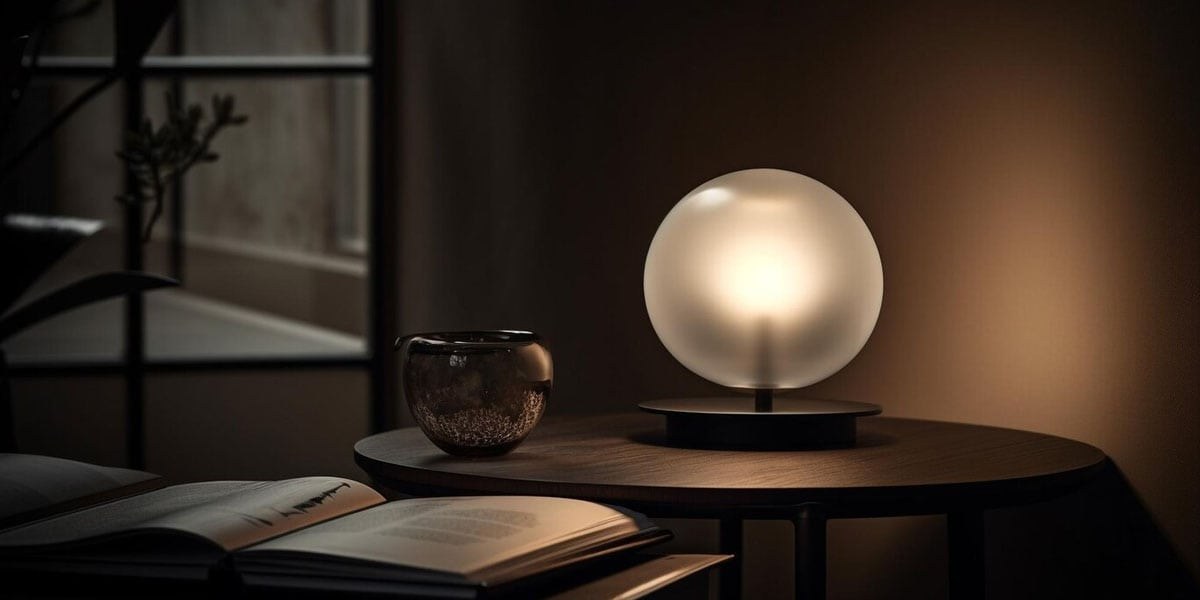
Step 5: Choose the Style of the Table Lamp:
The choice of style for a table lamp depends on your personal taste, the existing decorative style of your space, and the aesthetic you wish to create. Each style has its own characteristics and advantages:
Classic Table Lamps:
The classic style of table lamps is characterized by elegant lines, timeless design, and high construction quality. It often includes details such as pleated lampshades, decorative crystals, and fabric covers. Classic table lamps offer a sense of elegance and timeless finesse. They are ideal for decorative styles that focus on traditional elements and colors.
Modern Table Lamps:
The modern style of table lamps is geometric, featuring simple lines and often a minimalist design. It utilizes contemporary materials and advanced technologies. Modern table lamps provide a sense of renewal to the room. This style is ideal for modern homes and professional spaces.
Vintage Table Lamps:
The vintage style of table lamps highlights elements from past eras, using antique designs, recycled materials, and aged color palettes. Vintage table lamps create a sense of nostalgia and uniqueness. They are ideal for those who appreciate the past and want to create a warm and one-of-a-kind space.
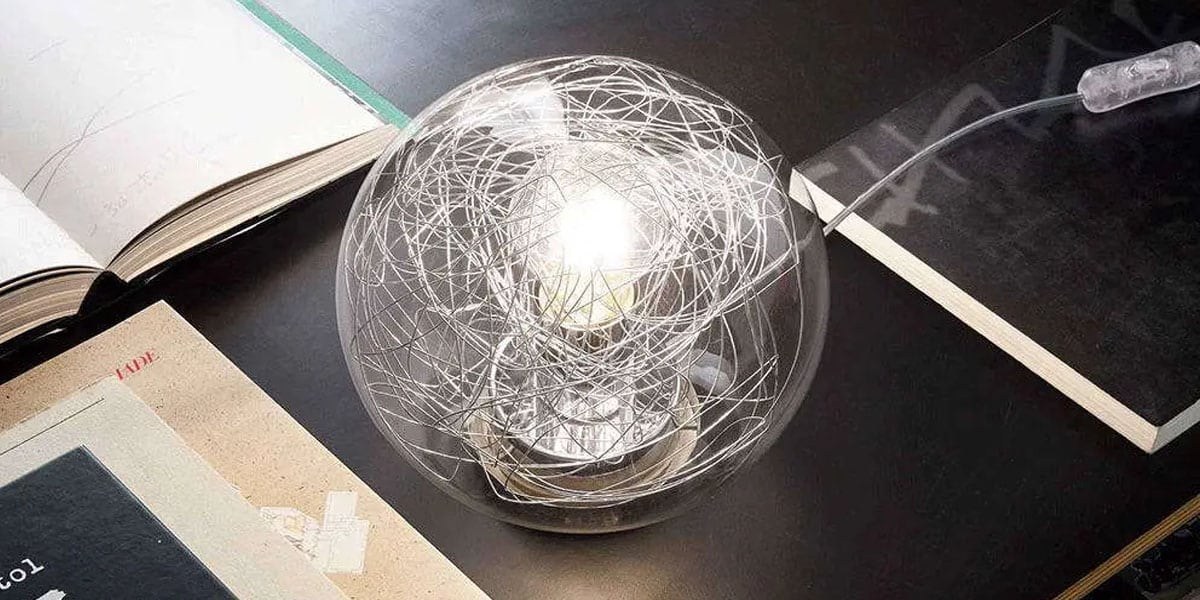
Step 6: Choose the Color of the Table Lamp:
Choosing the color of your table lamp is essential for creating the desired atmosphere in your space. Here are some factors to consider when selecting a color:
- Room Decoration: Consider the existing colors in your linens, lighting fixtures, rugs, furniture, and decorative elements. Choose a color that complements the rest of the design and creates harmony.
- Atmosphere: Think about the mood you want to set. For example, warm colors like reds, oranges, and browns create a cozy and inviting atmosphere, while cool colors like blues and greens can add a sense of freshness and tranquility.
- Personal Style: Consider your personal style and the colors you enjoy most. If you prefer bright and vivid colors, choose bright table lamps accordingly.
- Lighting: Take into account how the color of the lamp (especially the shade) will diffuse light. Lighter shades can help spread light more effectively throughout the room.
- Consistency: If you have already established a specific color palette for your lighting fixtures, choose a color that matches the general aesthetic and style of the other lights in the space.

Step 7: Choose Table Lamps with or without IP Rating (Waterproofing):
The IP (Ingress Protection) rating refers to the level of protection provided by a lighting fixture against the intrusion of dust and moisture. The IP number consists of two digits. The first digit indicates the level of protection against the entry of solid objects, such as dirt or dust. The second digit represents protection against the entry of moisture at different angles and intensities.
First Digit (Solids):
- 0: No protection against the entry of foreign bodies and particles. A 0 can also be represented by the character X.
- 1: Protection against solid objects larger than 50mm (e.g., accidental contact with the hand). No protection against intentional body contact.
- 2: Protection against solid objects larger than 12 mm (e.g., accidental contact with a finger).
- 3: Protection against impacts from solid objects larger than 2.5 mm (e.g., tools and wires).
- 4: Protection against solid objects larger than 1 mm (e.g., thin tools, wires, nails, and screws).
- 5: Partial protection against dust and other particles; entry will not harm or impede the satisfactory performance of internal components.
- 6: Complete protection against dust and other particles.
Second Digit (Moisture):
- 0: No protection against moisture ingress.
- 1: Protection against water droplets falling vertically (up to 15° from the vertical axis).
- 2: Protection against water droplets falling at an angle up to 60° from the vertical axis.
- 3: Protection against water droplets falling at an angle up to 60° from any direction.
- 4: Protection against water splashing from any direction. Tested for at least 10 minutes with an oscillating spray (limited entry allowed with no harmful effects).
- 5: Protection against low-pressure jets (6.3 mm) of directed water from any angle (limited entry allowed with no harmful effects).
- 6: Protection against powerful jets (12.5 mm) of directed water from any direction.
- 7: Protection against complete immersion for up to half an hour at depths between 15 cm and 1 meter.
- 8: Protection against extended immersion under higher pressure (deeper depths). If you are looking for table lamps, the IP rating can be important depending on the location of use and environmental conditions.
By considering the following criteria, you can decide if you need table lamps with a specific rating:
- Indoor Spaces: In indoor areas where table lamps are not exposed to moisture or dust, the IP rating may not be critical. In this case, you can choose fixtures with a lower rating or no rating at all.
- Outdoor Spaces: If you plan to place table lamps in outdoor areas such as balconies or patios, then a higher IP rating is important to withstand weather conditions.
- Humid Environments: If you want to place a table lamp in areas with high humidity, such as bathrooms or kitchens, then a moderate to high IP rating can protect the fixture.
As we reach the end of this buying guide for table lamps, we hope you have gained a fuller understanding of the important issues to consider during your purchase. The world of table lamps at designdrops is diverse and offers countless options to meet your needs and upgrade your space. With a wide variety of styles, colors, and materials, designdrops provides a unique opportunity to find the ideal table lamp that meets your expectations.
At designdrops you will find lighting buying guides and lighting cleaning guides, which contain valuable tips to help you choose the perfect lighting fixtures and keep them looking like new!
The information below is required for social login
Sign In
Create New Account