


Baby Pacifier Buying Guide
A pacifier is one of the first items parents buy when expecting their baby's arrival. It may seem simple, but choosing the right pacifier for your baby is important, as it affects their development and comfort. In the guide below, we will examine the key features, types, and criteria you should consider before making your purchase.
Step 1: Choose with safety in mind:
Materials:
Ensure the pacifier is made from safe materials, such as silicone or latex (non-toxic and BPA-free). Pacifiers containing BPA (bisphenol A) are not safe and should be avoided.
Design:
The pacifier should have a round, simple design without small parts that could pose a choking hazard.
Approvals:
Choose products that have passed the necessary approvals and comply with European or international safety standards.
Shield (Perimeter):
The shield of the pacifier must be large enough so it cannot be swallowed by the baby, but not so large that it is uncomfortable or obstructs breathing. Most pacifiers have an outer frame that prevents ingestion.
Step 2: Choose the type of pacifier:
Round Pacifiers:
Traditional, round pacifiers are the most common choice for infants and usually have a nipple that mimics the mother's breast. They are ideal for newborns.
Orthodontic Pacifiers:
Orthodontic pacifiers are a special type designed to support the correct development of the baby's mouth. Unlike traditional pacifiers, they have a nipple with a specific morphology aimed at reducing pressure on the teeth and gums, while helping in the correct alignment of the teeth and jaw as the baby grows.
Pacifiers with Special Functions:
There are pacifiers designed to reduce the risk of colic, featuring filters or vents to facilitate breathing and prevent air intake during sucking.
Night Pacifiers:
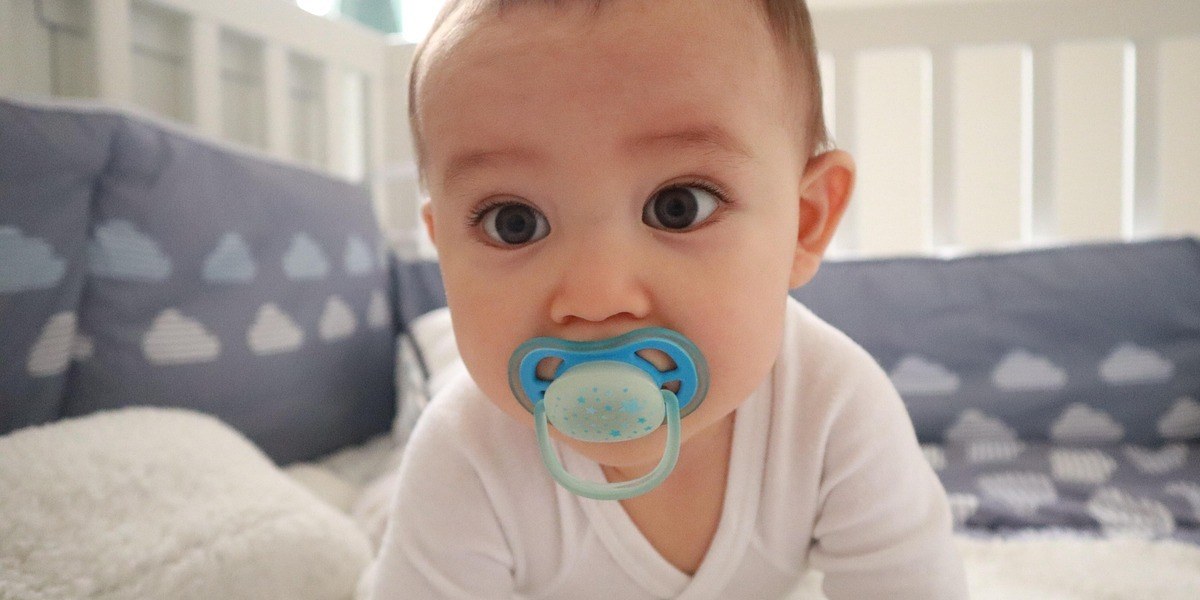
Some pacifiers have designs that glow in the dark, so you can find them at night without turning on the light and disturbing the baby's sleep.
Feeding Pacifiers (or Food Feeders):
These are specially designed pacifiers that help babies eat fruits, vegetables, or other soft foods safely without the risk of choking. These pacifiers usually feature a nipple with small holes or a perforated net that allows babies to suck the content while preventing large amounts of food from entering the mouth. They are used for introducing solid foods into the baby's diet, especially from 4-6 months of age, as the baby begins to taste different flavors and textures. At the same time, they help babies learn chewing skills and familiarize themselves with food textures.
Step 3: Choose the pacifier based on the baby's age:
Pacifiers are available in various sizes, specially adapted to the baby's needs according to their age.
For 0+ Months:
Newborn pacifiers usually have a smaller nipple size and are softer to avoid irritating the baby's sensitive mouth. They typically have a more classic and simple shape (uniformly round or flat) without intense orthodontic design.
For 2-6 Months:
These pacifiers have a slightly larger nipple diameter but remain soft and flexible. They are usually slightly more rounded to fit the developing mouth. Silicone is recommended as it is more hygienic and durable.
For 6+ Months:
At this age, the baby begins to use the nipple for longer periods, so the pacifier may have a larger nipple and a firmer design. Many pacifiers for this age are already orthodontic, helping with the smooth development of the mouth and teeth. Nipples with an orthodontic design or a flatter shape are better for promoting the correct development of the baby's teeth and jaw.
For 8+ Months:
By this age, the baby has already started developing their first teeth, so it is important for the pacifier to be made of firmer and more durable material. Many pacifiers for this age are specifically designed to not affect tooth development and to prevent jaw deformities. Choose orthodontic designs that allow for correct mouth positioning.
For 1.5 Years:
Pacifiers for children aged 1.5 years are usually more durable and reinforced to withstand greater pressure from the primary teeth and increased mouth mobility. These pacifiers should be made of extremely durable materials to withstand the pressure from the growing child.
Step 4: Choose the quality of the pacifier:
Choosing the right material for the pacifier is important as it affects safety, comfort, and lifespan. The main materials used are silicone, rubber, and latex. Each material has its own characteristics and advantages, and the choice depends on your baby's needs, skin sensitivity, and product usage.
Silicone:
Advantages: Silicone is very durable and lasts longer than rubber or latex. It does not wear easily from biting or use. Silicone is a safe material, free from BPA, phthalates, or other toxins, and is suitable for babies with sensitive skin or allergies. It does not absorb odors or colors from food. It can withstand high temperatures, making it easy to clean and sterilize.
Disadvantages: Although silicone is soft enough, it may not feel as "natural" or soft as rubber or latex for some babies.
Rubber:
Advantages: Rubber is softer and more elastic, which makes it feel more natural and familiar to the baby. Natural rubber is organic and can be more "eco-friendly" compared to synthetic materials. It can also offer a better feel as it is "softer," which sometimes makes it more acceptable to babies.
Disadvantages: Rubber can wear out if exposed to high temperatures. Wear can also occur due to biting, as it is not as durable as silicone. Some babies may have an allergy to rubber or natural latex, which can cause irritation or skin reactions. Cleaning rubber is slightly more demanding than silicone. It may also absorb odors or deteriorate over time.
Latex:
Advantages: Latex is extremely soft and adaptable, providing a very natural feel similar to the mother's nipple. This can make it more attractive to the baby. Latex is resistant to wear and can withstand a baby's endless biting.
Disadvantages: Latex is the most likely material to cause allergies in babies with sensitivities. It can wear out faster than silicone and rubber, especially if exposed to heat or light. It can also absorb colors and smells from food, making cleaning more difficult.
Step 5: Choose the essential accessories for the pacifier:
The choice and use of accessories for pacifiers are important for the comfort, hygiene, and safety of your baby. Various accessories can facilitate daily life and ensure cleanliness.
Pacifier Storage Cases: These protect pacifiers from dust, germs, and dirt when not in use. Especially for pacifiers used outside the home, a case helps with safe storage and keeping them clean.
Pacifier Straps or Clips: These are very useful for preventing the pacifier from falling on the floor or getting lost. Especially when you go out, the strap allows you to always have it near your baby without worrying about it getting dirty.
Pacifier Sterilizer: It is important to keep pacifiers clean and sterilized. A pacifier sterilizer allows you to sterilize them with hot steam or in the microwave.
Step 6: Choose the color and design of the pacifier:
Choosing the color and design of the pacifier might seem like a small decision, but it involves personal preference and functionality. Many parents choose colors or designs traditionally associated with gender, like blue for boys and pink for girls. While this depends on personal preference, you can also choose more neutral colors like yellow or green. Many pacifiers feature designs with cute animals like lions, bears, or unicorns that attract young babies. If you like more minimalist or modern designs, you can find pacifiers with simple abstract patterns, geometric shapes, or modern fonts that offer a more elegant and discreet option.
Choosing the appropriate pacifier for your baby is a personal and important decision that affects the comfort and hygiene of your little one. From the right choice of material and size to the color and design, every factor contributes to the experience of the baby and your family.
The information below is required for social login
Sign In
Create New Account