


Knife Cleaning Guide
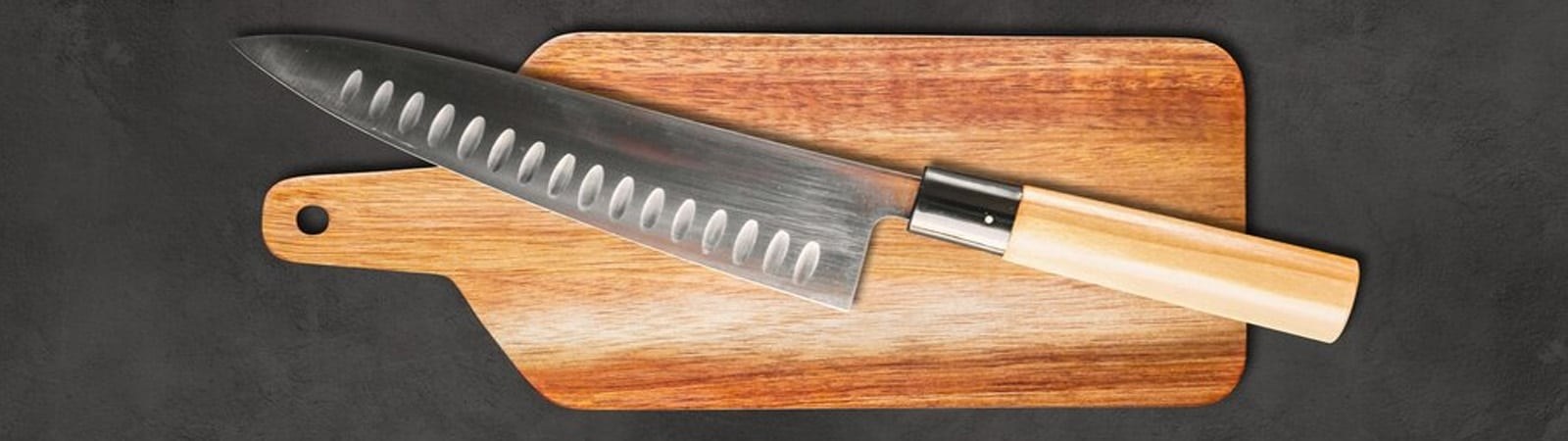
Knives are an integral part of our kitchen and are essential for preparing our food. To maintain the safety, performance, and longevity of our knives, we must take care of them properly. In this article, we will give you detailed instructions for cleaning and maintaining your knives, so you can keep them hygienic, sharp, and functional as if they were new.
The Importance of a Clean and Properly Maintained Knife
Before we begin to present the steps for cleaning and maintaining knives, let's explain why it is important to properly clean and maintain our kitchen knives in the kitchen:
- Performance: Well-maintained knives cut better, making food slicing more efficient and uniform. A sharp knife allows you to calculate the thickness of the slices with great accuracy, and it does not "wound" the food, meaning it does not release large amounts of liquid and its flesh is not torn.
- Safety: By keeping knives in good condition, the risk of injury is reduced. A steadier grip and greater movement precision are often due to the level of knife maintenance. For example, a knife that hasn't been sharpened for a long time has a blunt blade and requires greater pressure during slicing, which can cause accidents and deeper wounds. Therefore, the reputation that sharp knives are more dangerous is incorrect, and the opposite is actually true!
- Lifespan: Clean and properly maintained knives last longer. Maintenance helps prevent corrosion and the appearance of rust.
- Hygiene: A clean knife is safe for contact with food. Proper maintenance of the knife prevents the accumulation of germs and oxidation, meaning unwanted and harmful substances are not transferred to your food.
Basic Knife Cleaning Instructions
Having analyzed the importance of proper knife cleaning, we present the steps you must follow to always keep your knives like new!
Step 1: Wash Immediately After Use
Wash your knives with plenty of lukewarm running water and detergent immediately after use. Use a soft sponge to remove food and grease residues.
Step 2: Avoid the Dishwasher
Do not place your knives in the dishwasher. Most knives are not suitable for dishwashing, as the high temperature, harsh chemical detergents, and high water pressure can cause corrosion, rust, or even slight deformation to the knife, and usually reduce its lifespan. Also, the dishwasher often damages the wooden handles of the knives.
Step 3: Use a Sponge and Detergent
To clean the blades, use a soft sponge or a dish towel. Do not use scouring pads that can cause scratches on the metal blade. You should take care to choose a mild dish detergent, as harsh detergents corrode the metal. During the handwashing process, you should have the edge of your knife facing away from you to avoid injury. If there are still traces of grease or food on the blade, soak the knife in warm water for less than two minutes and then carefully remove the residues using a sponge.
Step 4: Dry Thoroughly and Store Correctly
After cleaning, dry the knives thoroughly with a cleaning cloth and store them in a special knife block or holder located in a dry place, without touching each other. Differences in weight, material, and type of each kitchen tool can cause damage to the knife, so it should not come into contact with other objects during storage. Be meticulous with drying and make sure the knife is completely dry before storing it, as if moisture remains on its blade, rust is likely to appear. If you are going to store the knives for a long period, you should regularly take them out of their holders to ensure that no moisture has formed inside the holders.
Knife Maintenance and Sharpening
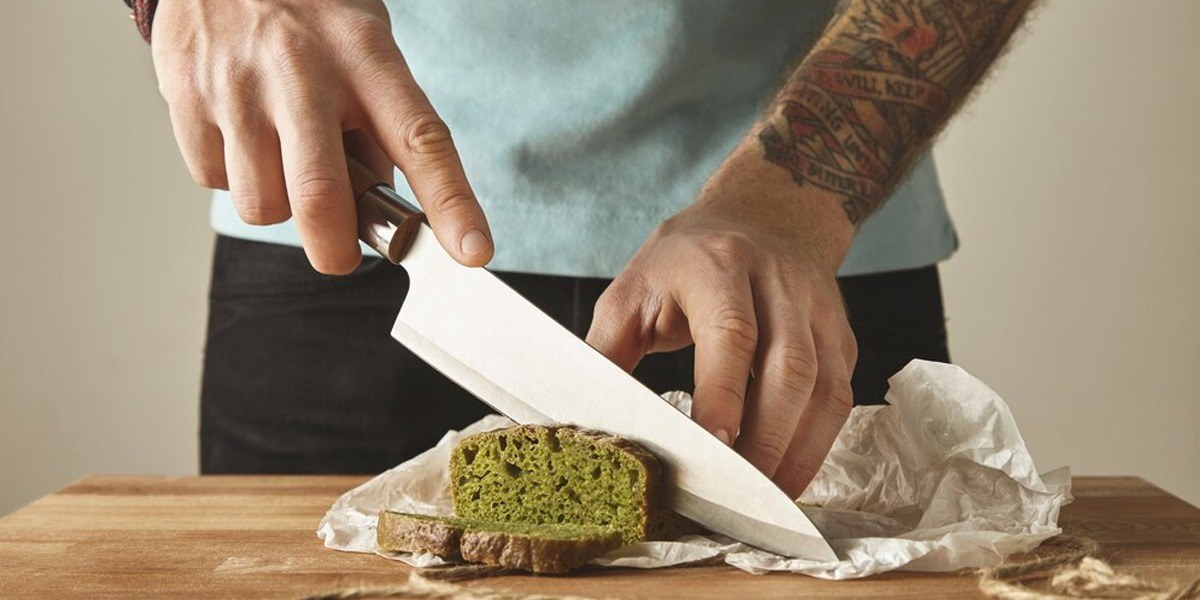
Knife maintenance and sharpening are equally important procedures to keep your knives always sharp. You should follow the steps below if you want to use your knives for many more years.
Step 1: Maintaining Sharpness
At regular intervals, use a sharpener or a whetstone, as well as a honing steel, to keep the blade edge sharp. Choosing the appropriate sharpener and sharpening require attention, as they can make your blade too thin.
Step 2: Protective Covers
Use protective covers to protect the blades during storage. These covers prevent corrosion from contact with other knives or other kitchen tools that could damage your knife.
Step 3: Cutting Boards
To avoid causing unwanted damage to your knife, you should always use a cutting board! Using a cutting surface will protect your knife and extend its lifespan. You should choose a cutting board that is ideal for the quality of your knife, as an unsuitable cutting board can have negative effects.
Step 4: Protect the Handle
However, the knife is not just composed of the blade. There is also the handle, which also requires proper maintenance. To maintain the elegant appearance and quality of the handle, you must regularly lubricate it with oil, wax, or other specialized lubricants.
How to Sharpen Your Knives Correctly?
To maintain their performance and remain safe, knives need regular sharpening. Below we will discuss the most well-known knife sharpening techniques, which will help you keep your knives sharp and ready for any culinary challenge.
Whetstone
If you haven't sharpened your knife for a while, choose a coarse and hard whetstone and then use a smoother one for polishing. Place the tip of the knife at the bottom right with a slight angle and continue the smooth and sliding motion towards the upper left and diagonally, so that the entire edge of the knife passes over the surface of the stone. Whetstones differ, so check the instructions for use carefully. Some stones should be soaked in water before use and kept wet during sharpening. Oil stones work the same way, but oil is used instead of water and the sharpening is done with circular motions. Before acquiring a whetstone, make sure it is suitable for the knives you want to sharpen. The grinding angle you choose is important. The smaller the angle, the thinner and sharper the blade will be. Typically, the optimal sharpening angle is 12-15. If you are a beginner at stone sharpening, start the process with a low-cost knife.
Sharpener
The sharpener can be either manual or countertop and operate in various ways. Most sharpeners are easy to use, as just one pass of the knives through the sharpener slots is sufficient. There are also electric sharpeners, which give an equally uniform result. These sharpeners can be made of various materials and can sharpen various types of knives.
Honing Steel
The honing steel, although many believe it is used to sharpen knives, actually serves to maintain the sharpness achieved with either the stone or the sharpener. It is usually made of steel and has a handle. It can be flat or round. The sparser the grooves on a honing steel, the coarser the "sharpening" it performs on the knife. Place it firmly in a horizontal position and hold your knife at a 20 angle so that you move it up and down the steel, covering its entire surface. You do not need to apply pressure during this process, only follow gentle movements. Be careful not to let your thumb protrude from the handle, as you may get injured. The steel must be larger than or equal to the size of the knife. You should know that serrated knives should not be honed with a honing steel and that ceramic knives are sharpened only with a diamond honing steel.
Of course, for sharpening knives, there is also the solution of professionals.
How to Effectively Remove Rust from Your Knives?
Rust on knives is bothersome and unsanitary, and it limits their performance. Here at designdrops, we will suggest effective ways to remove rust from your knives, so you can restore their original shine and performance.
White Vinegar or Apple Cider Vinegar
You can use white vinegar or apple cider vinegar to remove rust from your knife. Soak the knife in a container of vinegar for about 15 minutes, allowing the acidity of the vinegar to break down the rust. If your knife is very rusty, leave it in the container for another 5-10 minutes. Then, scrub the blade with a cloth, and you will see that the rust will be removed. Repeat the process if necessary. When you have cleaned the knife, you must wash it with soapy water and dry it thoroughly.
Rust Eraser
The rust eraser is made of rubber and has abrasive properties. By rubbing the eraser over the rusted spots in circular motions, you can remove the rust. It is advisable to pre-treat with the vinegar removal method mentioned earlier and then wipe the knife with the rust eraser for a deep clean. After removing the rust, you will need to wash the knife with soapy water and dry it thoroughly.
Onion
You can naturally remove rust from your knife, simply using an onion. Cut the onion in half and rub the knife blade, focusing on the areas where rust has accumulated. To make this method even more effective, you can place a little salt on the surface of the onion that rubs against the knife. It is best to have the knife placed on a countertop to avoid injury. When you have cleaned the knife, you must wash it with soapy water and dry it thoroughly.
Sandpaper
For quite rusty knives, you can use very fine-grit sandpaper (at least 400 grit) and rub the rusted spots. You should not apply too much force during this process, as you may damage the knife or get injured. When you have removed the rust from the knife, clean it thoroughly with soapy water and then dry it.
Tips for Proper Knife Maintenance
- Having your knife come into contact with salt water or salty foods can favor the development of rust, due to the corrosive properties of salt. If you cannot avoid it, make sure to wash the knife immediately with fresh water and soapy water.
- Do not use knives that are not suitable for a specific task. Knives are available commercially that serve each type of cutting. By using an unsuitable knife for a specific task, there is a risk of destroying the knife and getting injured.
- The fact that a knife is made of stainless steel does not mean that it is excluded from developing rust or other damage. Therefore, you must follow its proper and regular maintenance to keep it in ideal condition.
- To find out if your knife needs sharpening, you can follow the paper test. Hold a piece of paper with your hand and try to cut it with a vertical movement; if the paper cuts without tearing, then your knife is perfectly sharp.
Well-maintained knives are the ultimate tool for every cook and improve the quality and experience of cooking. Invest a little time in cleaning and maintaining your knives, and they will reward you with their performance and durability.
To choose the ideal knife visit the corresponding thermos buying guide (Note: The link description seems incorrect, it should likely refer to a knife buying guide), while for the proper maintenance of various kitchen items, you will find a lot of useful information in the kitchen cleaning guide.
The information below is required for social login
Sign In
Create New Account